Categories
Health & Wellness Hearing Safety

Hearing Protection: Crucial Advice for Artists

Last Updated on 02/02/2026 by Admin

Understanding the Importance of Hearing Protection for Creative Artists

Identifying Noise Hazards in Artistic Environments

Artists often immerse themselves in vibrant, energetic environments where sound levels can escalate to dangerously high levels. Whether they are working in a bustling recording studio, performing at an electrifying live venue, or engaging in the creative process at home, exposure to elevated noise levels poses a critical risk to their hearing health. Sound intensity is typically measured in decibels (dB), and levels surpassing 85 dB are deemed hazardous with prolonged exposure. For instance, during a rock concert, sound levels can soar around 110 dB, while a recording studio may average approximately 90 dB during intense recording sessions. Although these lively environments inspire creativity, they concurrently jeopardise an artist’s long-term auditory well-being.
Typical scenarios illustrating this risk include rehearsals featuring amplified instruments or sound mixers blasting through large speakers. Many artists underestimate the cumulative effects of these high sound levels, which can lead to irreversible damage over time. Research indicates that musicians are five times more likely to suffer from severe hearing loss compared to the general population. This underscores the urgent need for awareness and protective measures in spaces designed for creativity that inadvertently threaten auditory health.

How Can Artists Recognise Early Symptoms of Hearing Problems?

Recognising early indicators of hearing issues is crucial for artists who depend heavily on their auditory capabilities. Initial symptoms are often subtle and may not immediately raise concerns. One of the first signs of hearing difficulty is frequently tinnitus, which manifests as a persistent ringing or buzzing in the ears. Moreover, artists may begin to notice that sounds appear muffled or distorted, significantly hindering their ability to create and perform effectively.
Conducting regular self-assessments and hearing evaluations can profoundly impact long-term auditory health. Many artists tend to overlook these symptoms, dismissing them as simple fatigue or stress. Nevertheless, timely identification and intervention are vital to preventing further deterioration. Engaging in routine hearing tests, even in the absence of discomfort, assists in establishing a baseline understanding of one’s hearing health. This proactive approach, paired with awareness of early symptoms, empowers artists to prioritise their hearing protection.

Implementing Effective Hearing Protection Strategies for Artists

Simple preventive measures can significantly enhance an artist’s hearing safety without disrupting their creative flow. Employing ear protection, such as custom earplugs or noise-cancelling headphones during performances or recording sessions, can greatly diminish harmful sound levels. These protective devices not only safeguard hearing but also help preserve sound quality, enabling artists to concentrate on their craft without compromising auditory safety.
Adopting everyday practices can foster a culture of awareness among artists regarding their hearing health. For instance, establishing “quiet hours” during collaborative sessions can assist in reducing exposure to loud sounds. Additionally, artists can benefit from taking regular breaks to allow their auditory systems to recuperate from intense sound exposure. Initiating conversations about hearing health with peers can cultivate a supportive environment where shared responsibility for protection becomes the norm. These measures not only improve individual well-being but also contribute to a healthier artistic community.

What Are the Primary Contributors to Hearing Loss in Artists?

Recognising Sources of Excessive Noise in Daily Artistic Practices

Artists often find themselves surrounded by sources of excessive noise that can lead to significant auditory dysfunction. Instruments, amplifiers, and even everyday tools like power saws or drills in workshops contribute to cumulative noise exposure. The impact of repeated loud sounds is frequently underestimated; even the noises produced during mixing or mastering music can reach levels that are damaging over time.
Understanding the triggers within their daily routines is essential for artists to effectively protect their hearing. For example, musicians rehearsing with a full band may encounter sound levels that exceed safe limits for extended periods. This cumulative exposure can result in permanent hearing damage. Artists must actively monitor their sound exposure and adopt practices that mitigate the risk of hearing loss. Simple adjustments, such as lowering volume levels, opting for quieter equipment, or using sound barriers, can significantly enhance their hearing protection.

How Does Volume Affect Hearing in Performance Venues?

The volume of sound in performance spaces is a critical factor influencing an artist’s auditory health. Prolonged exposure to amplified sounds, like during concerts or high-energy performances, poses substantial threats to hearing. Sound levels in these venues typically exceed 100 dB, making proactive strategies necessary for effectively monitoring and managing exposure.
Artists can implement several actionable steps to ensure their hearing remains intact. For example, utilising sound level meters to monitor decibel levels during rehearsals and performances provides real-time feedback on exposure. Regularly incorporating volume audits into sound checks helps maintain safer sound environments. Furthermore, artists should advocate for in-ear monitors that allow for lower volume levels while still delivering high-quality sound. These strategies not only enhance listening conditions but also prolong an artist’s career by protecting their hearing health.

The Long-Term Consequences of Hearing Loss on Creative Careers

Long-term hearing issues can profoundly influence the trajectory of an artist’s career. If left unaddressed, auditory problems can lead to decreased productivity, diminished enjoyment in creating art, and eventually, limitations in their professional journey. Musicians may find it increasingly challenging to perform or even compose music, adversely affecting their career viability.
To combat these long-term consequences, preventive strategies are paramount. Artists should prioritise regular hearing evaluations and incorporate hearing protection into their daily routines to defend against gradual deterioration. Participating in workshops or training sessions focused on hearing health can elevate their understanding of the risks associated with their profession. By emphasising preventive measures, artists can continue to express their creativity without the looming threat of hearing loss.

How Do Genetic and Hereditary Factors Impact Hearing Loss?

Genetic predispositions significantly influence an individual’s likelihood of experiencing hearing loss. Certain hereditary conditions may increase the risk of auditory problems, making it vital for artists to assess their family history when considering their hearing health. Understanding these factors can empower individuals to take early preventive action.
Genetic testing can provide insights into susceptibility, facilitating informed decisions and timely interventions. Artists with a family history of hearing loss should proactively seek regular screenings and consider lifestyle adjustments to mitigate their risk. Simple changes, such as minimising exposure to loud environments, using protective gear, and maintaining a healthy lifestyle, can greatly assist in preserving hearing function. By staying informed about their genetic risk factors, artists can take control of their auditory health and make choices that safeguard their long-term well-being.

Expert Perspectives on the Importance of Hearing Protection for Artists

Key Recommendations from Audiology Professionals

Experts in audiology emphasise the significance of taking proactive measures to safeguard hearing health among artists. Their recommendations include the consistent use of ear protection in high-noise environments and scheduling regular hearing assessments to identify potential issues early. Specialists urge artists to familiarise themselves with the decibel levels of their working environments and to take necessary actions whenever sounds exceed recommended thresholds.
Understanding the science behind sound and hearing loss empowers artists to make informed choices. For instance, many audiologists suggest that artists take regular breaks during high-exposure activities, allowing their auditory systems time to recover. Furthermore, specialists advocate for utilising lower volume settings whenever possible and encourage the use of technology that minimises sound exposure without hindering artistic expression. These expert recommendations aim not only to preserve hearing but also to enhance overall performance quality.

Utilising Innovative Tools for Monitoring Hearing Health

Monitoring hearing health has become increasingly manageable with the advent of advanced technology. Artists can take advantage of various devices and applications specifically designed to track sound exposure effectively. Some essential tools include:

  • Decibel meter applications for smartphones that provide real-time sound level readings.
  • Personal sound exposure monitors that track daily exposure and alert users to high sound levels.
  • Custom earplugs designed for musicians that lower volume while maintaining sound quality.
  • Hearing assessment applications that facilitate periodic self-checks and track auditory health over time.

These tools empower artists to adopt a proactive stance regarding their hearing health. By consistently monitoring their sound exposure and utilising protective devices, artists can foster a sustainable and healthy work environment. This proactive strategy not only preserves hearing but ultimately enhances the quality of artistic output, enabling a longer and more fulfilling creative career.

How to Seamlessly Integrate Hearing Protection into Artistic Workflows

Incorporating hearing protection into artistic workflows requires thoughtful planning and collaboration. Experts recommend that artists develop personalised strategies that seamlessly integrate protective measures into their creative processes. For instance, musicians might schedule regular breaks during rehearsals to minimise prolonged exposure to loud sounds, ensuring they remain refreshed while protecting their hearing.
Custom approaches can also enhance collaboration within artistic teams. By establishing shared protocols for sound management, artists can collectively create safer environments. Fostering a culture of awareness around hearing health can lead to long-lasting benefits as individuals support one another in prioritising auditory safety. These proactive measures ensure creativity does not come at the expense of hearing health, promoting both artistic expression and overall well-being.

Research-Backed Advantages of Hearing Protection for Artists

Data from Studies Supporting Hearing Preservation Practices

Scientific research provides compelling evidence for the necessity of hearing preservation practices among artists. Numerous studies illustrate that artists who prioritise hearing protection experience more favourable long-term auditory outcomes compared to their peers who neglect this aspect of their health. Research highlights the correlation between early intervention and lower rates of hearing loss, reinforcing the importance of proactive measures.
Understanding these findings can motivate artists to adopt protective practices early in their careers. By participating in regular screenings and utilising hearing protection, artists can significantly reduce their risk of permanent damage. This evidence-based approach empowers musicians and creators to take charge of their auditory health, ensuring their artistic journey remains vibrant and fulfilling.

Improvements in Overall Well-Being Linked to Hearing Health

Maintaining hearing health is inherently connected to overall well-being and productivity. Research indicates that artists who actively manage their hearing health enjoy enhanced focus and creativity. The ability to perceive nuances in music or sound directly influences the quality of artistic output, resulting in greater satisfaction in their work.
Moreover, artists with preserved hearing are less prone to fatigue and stress associated with auditory strain. The broader benefits of sustaining auditory health extend beyond mere preservation; they encompass improved mental wellness and an enriched quality of life. Artists should view their hearing health as a foundational element of their creative pursuits, promoting a holistic approach to well-being.

Proven Methods for Recovery and Maintenance of Hearing Health

Recovery and maintenance of hearing health are crucial for artists dealing with auditory challenges. Experts recommend various restorative options, including the use of hearing aids, auditory therapy, and sound desensitisation techniques. Engaging with these methods can significantly enhance hearing function for individuals affected by prolonged exposure to loud sounds.
Practical tips for sustaining auditory health include regular follow-ups with audiologists and investing in quality hearing protection. Artists should also consider lifestyle adjustments, such as creating a quieter home environment and actively reducing exposure to loud noises. By integrating these expert-recommended techniques into their routines, artists can effectively maintain their hearing health and minimise the risk of deterioration.

Exploring the Connection Between Hearing Protection and Professional Performance

Research indicates a direct correlation between hearing protection and enhanced professional performance. Safeguarding hearing not only preserves auditory function but also improves artists’ concentration during performances and recordings. The ability to hear clearly translates to superior artistic output and reduced fatigue, ultimately contributing to a more successful career.
Evidence from studies within the music industry supports the notion that effective hearing protection leads to improved overall performance quality. Artists who prioritise their hearing health demonstrate greater resilience in challenging performance conditions, enabling them to maintain peak creativity and productivity. By recognising this connection, artists can view hearing protection not merely as a necessity, but as a vital component of their professional success.

How Prolonged Noise Exposure Impacts Hearing

Understanding the Gradual Effects on Sensory Functions

Cumulative damage from prolonged exposure to loud sounds is a substantial concern for creators. Hearing loss typically occurs gradually, commencing with subtle changes that may be overlooked until significant damage has occurred. Musicians, for example, might experience slight inconveniences in hearing that they attribute to the usual demands of their craft. However, this gradual decline can lead to severe consequences if not addressed.
Timely intervention is essential to prevent complications stemming from cumulative damage. The progressive nature of hearing loss implies that once damage is established, recovery can be challenging or even impossible. Artists must prioritise regular check-ups and become familiar with the signs of hearing deterioration to take proactive measures. Early intervention can significantly contribute to maintaining auditory functions, allowing artists to continue their creative work without disruption.

Strategies Artists Can Implement to Mitigate Daily Exposure Risks

Artists can adopt effective strategies to minimise daily exposure risks associated with loud environments. Taking regular breaks during rehearsals or performances allows the auditory system to recuperate from high sound levels. Simple practices like stepping outside for fresh air or engaging in quiet reflection can greatly assist in this recovery process.
Incorporating protective gear into daily routines is another effective way to lower exposure risks. Artists should consider utilising high-fidelity earplugs designed specifically for musicians that preserve sound quality while reducing volume. By implementing these adjustments, artists can cultivate a safer and healthier creative environment that supports both their artistic endeavours and their auditory health.

When Should Artists Seek Professional Assistance for Hearing Concerns?

Recognising signs that necessitate professional consultation is vital for sustaining long-term hearing health. Symptoms such as persistent ringing in the ears, difficulty understanding speech in noisy settings, or a noticeable reduction in hearing acuity should prompt immediate action. Artists must remain vigilant in their self-assessments and not overlook these warning signs.
Promptly addressing issues can prevent permanent hearing damage. Seeking assistance from an audiologist or hearing specialist at the first indication of concern can lead to timely interventions and support. Early consultations typically yield better outcomes, allowing artists to pursue their passions without the burden of untreated hearing loss.

A Comprehensive Understanding of Safe Noise Levels for Hearing Protection

Awareness of safe noise thresholds is crucial for protecting auditory health. Research indicates that exposure to sounds above 85 dB can result in hearing damage over time, yet many artists work in environments that consistently exceed this level. Understanding these thresholds empowers artists to make informed decisions regarding their sound exposure.
Establishing guidelines for safe exposure can assist in maintaining hearing health in everyday settings. For example, artists should utilise sound level meters to monitor their environment and implement strategies to lower volume when necessary. These proactive practices not only support auditory health but also foster a sustainable approach to creativity, ensuring artists can thrive in their respective fields.

Long-Term Rehabilitation Strategies for Hearing Loss

A variety of rehabilitation methods exist for individuals affected by prolonged exposure to loud sounds. Hearing aids, auditory training, and therapy can significantly enhance functionality for those experiencing hearing challenges. Many artists find these options critical in restoring their auditory capabilities, allowing them to engage more fully in their craft.
Emphasising the importance of timely intervention and ongoing support is vital to prevent further deterioration. Artists should seek professional guidance in selecting rehabilitation options that best suit their needs. By being proactive and exploring different methods, individuals can improve their auditory health and avert long-term complications.

Proactive Strategies for Maintaining Optimal Hearing Health

Daily Habits That Promote Auditory Care for Artists

Establishing daily habits centred around noise awareness can greatly benefit hearing health. Artists should incorporate simple practices into their routines, such as consciously lowering sound levels, taking regular breaks from noisy environments, and utilising protective gear whenever required. Continuous awareness and proactive measures can prevent potential damage and contribute to a long, healthy career.
Encouraging mindfulness in everyday activities fosters an environment where hearing protection becomes an instinctive practice. Artists can promote a culture of protection within their creative communities by sharing best practices and motivating each other to prioritise auditory care. Simple reminders and collaborative efforts can lead to lasting behavioural changes, ultimately benefiting the entire artistic ecosystem.

Collaborative Efforts Among Peers to Foster Safer Artistic Environments

Collaboration among artists serves as a powerful tool for cultivating safer creative environments. When artists unite to share their experiences and strategies, they can collectively enhance awareness around hearing protection. Establishing community norms that prioritise auditory health enables artists to create a supportive network that benefits everyone.
Shared responsibility among artists fosters proactive measures and a culture of care. For instance, organising workshops focused on hearing health and inviting experts to speak can empower artists to make informed choices. These group efforts help cultivate an atmosphere where hearing protection is valued, ultimately leading to improved overall well-being for all involved.

The Importance of Continuous Education and Self-Monitoring

Staying informed about hearing health empowers artists to take proactive measures. Artists should engage in continuous education regarding the risks associated with their craft and the latest advancements in hearing protection. Regular self-assessments can also help individuals evaluate their auditory health and detect any changes that may necessitate professional intervention.
Utilising available resources can enhance understanding and promote a culture of ongoing learning. Artists are encouraged to seek informative articles, attend workshops, or join online communities dedicated to hearing health. By prioritising education and self-monitoring, individuals can maintain their auditory health and ensure they remain at the pinnacle of their creative abilities.

Frequently Asked Questions Regarding Hearing Protection for Artists

What are the common signs of hearing loss for artists?

Common indicators include tinnitus (ringing in the ears), challenges with understanding speech, and sounds appearing muffled. Regular self-assessments can aid in recognising these issues early.

How loud is too loud for my hearing?

Sounds exceeding 85 dB can potentially cause hearing damage over time. It is crucial to monitor sound levels in your environment and take precautions when necessary.

What are some effective hearing protection methods for musicians?

Effective methods include using custom earplugs designed for musicians, utilising in-ear monitors, and employing sound level meters to monitor exposure. Taking regular breaks is also essential.

How often should artists get their hearing checked?

Artists should consider having their hearing checked at least once a year, or more frequently if they notice any symptoms. Early detection is key to preventing further damage.

What daily habits can protect my hearing during work?

Daily habits include lowering sound volumes, taking regular breaks from loud environments, and using protective gear whenever necessary.

Can hearing loss be reversed?

In most cases, hearing loss cannot be reversed. However, early intervention and rehabilitation methods can help manage the condition and improve hearing function.

What role does genetics play in hearing loss?

Genetics can significantly influence susceptibility to hearing loss. A family history of hearing issues may indicate a higher risk, making regular check-ups even more vital.

Are there any apps that can assist in monitoring my hearing health?

Yes, there are several apps available for tracking sound exposure and conducting basic hearing tests. These can help raise awareness and guide protective measures.

How do I select the right hearing protection for my needs?

Choosing the right hearing protection involves considering the sound levels you typically encounter and your specific needs as an artist. Consulting with an audiologist can provide tailored recommendations.

What should I do if I notice changes in my hearing?

If you observe any changes in your hearing, it is crucial to seek professional help as soon as possible. Early intervention can prevent permanent damage and ensure better outcomes.

Connect with us on X and join the conversation!

The post Protecting Hearing: Essential Tips for Artists appeared first on The Microsuction Ear Wax Removal Network.

Categories
Health & Wellness Hearing Devices

Custom Hearing Aids: Discover Their Key Benefits

Last Updated on 01/02/2026 by Admin

Unlock Enhanced Hearing with Custom Hearing Aids

Understanding the Core Features of Custom Hearing Aids

Custom hearing aids are essential devices precisely designed to cater to the unique auditory requirements of each user. By providing tailored sound amplification and unparalleled comfort, they greatly enhance day-to-day communication and the overall quality of life for individuals experiencing various forms of hearing impairment. Unlike standard hearing aids, these devices are specifically crafted to align with the user’s individual hearing loss patterns and preferences. The personalization process includes several critical components, such as:

This meticulous approach to design not only maximises user comfort but also guarantees exceptional sound quality and clarity. With custom hearing aids, users gain the ability to navigate their environments and engage in conversations without the fatigue often associated with hearing loss. This personalised fit encourages independence and empowerment, essential for nurturing social interactions and promoting emotional well-being.

How Do Custom Hearing Aids Tackle Common Hearing Issues?

Custom hearing aids are specifically designed to tackle the distinct challenges faced by individuals with hearing loss. A common difficulty is distinguishing speech from background noise, especially in social settings like restaurants or public gatherings. These innovative devices employ advanced technology to reduce background noise while amplifying speech clarity, making conversations smoother and more enjoyable.

By adjusting to the user’s specific hearing loss patterns, custom hearing aids substantially lessen the cognitive load often associated with understanding speech in challenging listening environments. This adaptability empowers users to participate fully in conversations, enhancing their confidence and alleviating feelings of frustration or isolation that often accompany hearing loss. Furthermore, these aids can automatically modify settings based on the acoustic environment, guaranteeing top-tier performance in diverse settings.

The importance of these devices extends beyond functionality; they significantly contribute to mental health and the cultivation of social connections. Users can actively engage in social interactions, improving their quality of life, self-esteem, and emotional well-being. This comprehensive strategy for addressing hearing loss challenges makes custom hearing aids essential for effective communication support.

Daily Benefits of Custom Hearing Aids

The daily benefits of using custom hearing aids are extensive and profoundly impactful. By providing a bespoke fit and incorporating cutting-edge features, these devices empower users to engage more fully in conversations and activities, which is vital for sustaining both social and emotional health. When individuals can hear clearly, they are more inclined to participate actively in social situations, forge deeper connections, and ultimately relish a more enriching life experience.

Custom hearing aids are designed to adapt effortlessly to various listening environments, ensuring that users can transition smoothly between different settings, whether at home, in the workplace, or in public spaces. This flexibility is essential for maintaining a sense of independence and autonomy as users navigate their daily lives. Enhanced sound quality and clarity result in reduced auditory fatigue, a significant concern for many individuals with hearing loss. This decrease in fatigue allows users to engage more fully without feeling overwhelmed by their auditory surroundings.

Additionally, the advanced functionalities available in custom hearing aids often include connectivity options with smartphones and other devices, further enhancing their practicality. This integration enables users not only to hear phone calls and music with greater clarity but also to access various applications directly, facilitating seamless communication and enriching their overall lifestyle.

Exploring the Impact of Custom Hearing Aids Across Different Age Groups

Custom hearing aids play a crucial role across a variety of age groups, effectively addressing the specific auditory needs of children, adults, and seniors alike. For children, early identification and intervention are vital, as these devices support developmental milestones, enhance learning abilities, and foster social interactions with peers. By ensuring that young users can hear and engage within their environments, custom aids equip them with the necessary tools for success in educational settings.

For adults, custom hearing aids provide essential support in both professional and social contexts, enhancing communication skills and mitigating the barriers associated with hearing loss. This personalised approach enables adults to maintain their relationships and professional connections, which is vital for their emotional and social well-being.

Seniors often face unique challenges related to hearing loss that can negatively impact their quality of life. Custom hearing aids designed specifically for this demographic not only enhance their ability to communicate effectively but also promote independence. By addressing the specific auditory challenges that seniors encounter, these devices contribute to improved mental health and reduced feelings of isolation. The tailored approach ensures that users across all life stages can benefit from enhanced hearing, making custom hearing aids essential for diverse age groups.

Innovative Breakthroughs in Custom Hearing Aid Technology

The field of hearing aids has undergone significant advancements, particularly with the emergence of custom hearing aids. Recent innovations, such as <a href="https://www.earwaxremoval.net/hearing-aids-essential-insights-on-tracking-health-metrics/">AI-driven adjustments</a> and wireless connectivity, have transformed how users perceive sound. These technological advancements facilitate improved sound processing capabilities, allowing for more precise adjustments based on the user’s distinct environment.

AI-driven technology can learn from the user’s listening preferences and automatically adapt settings to optimise sound quality. This means that users no longer need to navigate through buttons or complex settings; the device intuitively adjusts to their surroundings, delivering a seamless listening experience. Moreover, the integration of wireless connectivity allows users to connect their hearing aids to smartphones, televisions, and various devices, simplifying communication and entertainment.

Furthermore, these technological advancements greatly enhance accessibility. Individuals with hearing loss can now utilise features that reduce auditory fatigue and enrich the overall user experience. The focus on user-friendly designs ensures that individuals can navigate their auditory environments effortlessly, underscoring the significance of custom hearing aids in modern hearing care. As technology continues to advance, the potential for even greater personalisation and adaptability in hearing aids is on the horizon, solidifying their role as indispensable tools in hearing health management.

How Do Custom Hearing Aids Improve Hearing Quality?

What Impact Do They Have on Sound Clarity?

Custom hearing aids fundamentally enhance sound clarity through sophisticated sound processing techniques. These devices are engineered to improve auditory comprehension, enabling users to differentiate speech from background noise more effectively. By amplifying specific frequencies that users struggle to hear, custom hearing aids provide a more comprehensive auditory experience.

The technology behind these aids allows for nuanced sound processing, which is particularly advantageous in complex listening environments, such as crowded restaurants or busy streets. Users can engage in conversations without the strain of trying to hear, significantly improving their communication skills and social interactions. This clarity is essential not only for everyday conversations but also for nurturing relationships, as clear auditory cues facilitate deeper and more meaningful exchanges.

Additionally, the development of directional microphones in custom hearing aids plays a pivotal role in enhancing sound clarity. These microphones can focus on sounds coming from specific directions, effectively filtering out irrelevant background noise. This feature proves especially beneficial in dynamic environments, where users might otherwise feel overwhelmed by competing sounds.

In essence, the sound clarity provided by custom hearing aids directly influences the quality of life for users. The ability to engage meaningfully in conversations fosters social connections and emotional well-being, making these devices invaluable resources for individuals grappling with hearing impairments.

Key Technologies in Custom Hearing Aids

The effectiveness of custom hearing aids relies on several key technologies designed to enhance user experience and auditory performance. Central to these devices is advanced digital processing, which allows for the precise tuning of frequencies to align with individual hearing needs. This digital technology ensures that users experience optimal performance tailored to their specific auditory profiles, providing a significant advantage over traditional analog hearing aids.

Another essential technology integrated into custom hearing aids is adaptive noise reduction. This feature intelligently evaluates sound environments and diminishes background noise, allowing users to focus on the sounds they wish to hear, such as conversations or music. By automatically adjusting to diverse environments, these devices enhance sound quality in various settings, promoting user comfort and clarity.

Feedback management systems are also crucial components of custom hearing aids. These systems prevent unwanted feedback, which can be both distracting and uncomfortable for users. By mitigating feedback, the devices enhance overall listening experiences, allowing users to engage fully in conversations without interruptions.

Furthermore, wireless connectivity has transformed how users interact with their hearing aids. This feature enables users to link their devices to smartphones and other technologies, providing additional functionalities that enrich their auditory experiences. Whether streaming music, receiving phone calls, or adjusting settings via an app, the integration of technology in custom hearing aids supports a more connected and user-friendly experience.

In summary, the combination of these technologies contributes to the high-performance capabilities of custom hearing aids, ensuring that users receive the best auditory support tailored to their specific needs.

Long-Term Benefits of Custom Hearing Aids for Users

The long-term benefits of wearing custom hearing aids extend beyond immediate auditory improvements, significantly impacting overall cognitive function and quality of life. Research indicates that consistent use of these devices can effectively prevent further hearing decline, which is crucial for maintaining auditory health over time. By encouraging users to actively engage with their surroundings, custom hearing aids help sustain auditory pathways and bolster cognitive processing.

Utilising custom hearing aids fosters enhanced communication, which is directly linked to improved cognitive health. Users who actively participate in conversations tend to experience greater mental stimulation, reducing the risk of cognitive decline associated with isolation or inactivity. This positive impact on mental health is particularly significant for older adults, who may be more vulnerable to both hearing loss and cognitive challenges.

Moreover, users frequently report heightened satisfaction with their auditory health when using custom hearing aids. The personalised fit and tailored adjustments not only lead to improved hearing but also contribute to a greater sense of control over their auditory environments. This sense of empowerment promotes confidence and encourages social interactions, further enhancing emotional well-being.

In a communicative world, the long-term effects of wearing custom hearing aids underscore their importance in preserving not just hearing ability but also overall quality of life. By supporting both auditory and cognitive health, these devices represent an investment in a brighter, more connected future for individuals with hearing impairments.

Tailored Hearing Solutions for Diverse Lifestyles

The personalisation of custom hearing aids stands out as one of their most significant advantages, catering to the diverse lifestyles of users. These devices are tailored to align with individual preferences, ensuring they integrate seamlessly into daily routines. Custom hearing aids can be programmed with adjustable settings that adapt to various environments, enhancing user comfort and satisfaction.

For instance, users who frequently attend social events can have their devices configured to prioritise speech recognition in noisy settings, while those who spend time in quieter spaces can enjoy enhanced sound fidelity for music or podcasts. This level of customisation allows individuals to experience superior auditory clarity, regardless of their surroundings, ultimately promoting consistent use and improving hearing outcomes.

Moreover, the adaptability of custom hearing aids means they can cater to users with differing degrees of hearing loss and specific lifestyle requirements. Whether an individual is an active professional, a student, or a retiree, their hearing aids can be designed to support their unique auditory demands. This personalisation fosters a sense of ownership over their hearing health, motivating users to wear their devices consistently and confidently.

Furthermore, ongoing advancements in technology facilitate even greater personalisation. With features like smartphone compatibility and remote adjustments from audiologists, users can fine-tune their settings based on real-time feedback and preferences. This level of engagement with their devices enhances user satisfaction and ensures that custom hearing aids remain integral to their daily lives.

Expert Opinions on the Importance of Custom Hearing Aids

Exploring Advanced Features of Custom Hearing Aids

Selecting the right custom hearing aids can be a daunting task, but understanding the advanced features available can simplify the decision-making process. Experts recommend evaluating features that enhance personalised sound adjustments, such as digital sound processing and adaptive noise reduction. These features play vital roles in delivering tailored auditory experiences, ensuring users derive maximum benefit from their devices.

A practical approach involves consulting with an audiologist who specialises in custom hearing aids. They can conduct thorough evaluations to identify individual hearing profiles, ensuring selections are based on specific needs. Real-world examples from professional practices underscore the importance of this step; for instance, a user with high-frequency hearing loss may greatly benefit from aids that specifically amplify those frequencies.

Utilising telehealth services for remote adjustments is another important aspect worth considering. This technology allows audiologists to fine-tune settings without requiring users to visit clinics in person. Such flexibility empowers users to adapt their devices swiftly based on their current environments, enhancing overall experience and satisfaction.

Choosing custom hearing aids equipped with these advanced features not only improves auditory performance but also supports long-term user satisfaction. When users feel confident that their hearing aids are tailored to their specific needs, they are more likely to wear them consistently, leading to improved auditory health outcomes over time.

Why Personalisation in Hearing Aids Is Essential

The significance of personalisation in custom hearing aids cannot be overstated. Experts agree that tailored devices yield superior outcomes by closely aligning with users’ unique hearing profiles. This individualised approach encourages sustained use, which is vital for effective hearing management. Users who believe their devices cater to their specific requirements are more likely to engage actively with their hearing aids, leading to improved communication and social interactions.

Custom hearing aids offer personalised settings that empower users to adjust their devices for different environments, which is particularly beneficial for those who frequently transition between various listening situations. For example, a user may need distinct settings for a quiet home environment compared to a bustling café. This adaptability ensures that users maintain optimal hearing in diverse situations, enhancing their overall experience and satisfaction.

Moreover, the connection between personalisation and user acceptance is crucial. When individuals perceive their hearing aids as specifically designed for them, they are more inclined to embrace the technology and incorporate it into their lives. This acceptance often translates into increased confidence and reduced stigma associated with wearing hearing aids, further enhancing emotional well-being.

Ultimately, the focus on personalised solutions in custom hearing aids significantly contributes to their effectiveness, aligning with individual needs and lifestyles. This tailored approach enhances user satisfaction, promotes independence, and supports better auditory health.

Integrating Custom Hearing Aids into Everyday Life

The seamless integration of custom hearing aids into daily life is a critical consideration for users. Experts emphasise that these devices are designed to enhance user independence by addressing potential challenges through customised solutions. For instance, individuals active in professional settings can benefit from hearing aids that adapt to office environments, minimising background noise while enhancing speech clarity.

Moreover, the convenience provided by custom hearing aids extends to daily activities. With features like Bluetooth connectivity, users can stream phone calls and music directly to their devices, facilitating a more connected lifestyle. This integration not only improves the auditory experience but also simplifies interactions with technology, making it easier for users to remain engaged with their surroundings.

The significance of user-friendly designs cannot be overlooked. Many modern custom hearing aids feature touch controls or mobile apps that allow users to adjust settings effortlessly. This ease of use is especially important for individuals who may be less familiar with technology, ensuring that they can maximise the benefits of their devices without feeling overwhelmed.

Furthermore, the support of audiologists and hearing care professionals is fundamental for integration. Regular follow-ups and adjustments ensure that users can navigate any challenges they encounter in their daily lives, ultimately leading to more positive experiences with their custom hearing aids. This holistic approach underscores the importance of embedding hearing aids into daily routines, enhancing both functionality and overall quality of life.

Evidence-Based Benefits of Custom Hearing Aids

What Research Supports Their Effectiveness?

Numerous studies have validated the effectiveness of custom hearing aids in significantly enhancing hearing accuracy and user satisfaction. Research consistently highlights that individuals using these tailored devices experience improved auditory clarity, resulting in better communication and an enhanced quality of life. This evidence reinforces the assertion that custom hearing aids are a reliable solution for managing diverse auditory conditions.

For example, studies have shown that users of custom hearing aids report higher levels of satisfaction compared to those using generic models. This satisfaction stems from the personalised nature of custom aids, which cater to individual hearing profiles and preferences. The outcome is a more comfortable and effective auditory experience, emphasising the importance of selecting devices specifically tailored for the user.

Moreover, research indicates that custom hearing aids contribute to improved psychological well-being by alleviating feelings of isolation and frustration associated with hearing loss. Social interactions significantly improve when individuals can hear clearly, leading to stronger relationships and a more vibrant lifestyle. This social engagement is essential for mental health, providing users with a sense of belonging and emotional support.

The compelling evidence supporting the effectiveness of custom hearing aids solidifies their role as essential tools in hearing health management. By enhancing auditory clarity and fostering social connections, these devices significantly contribute to the overall well-being of individuals with hearing impairments.

In What Ways Do They Improve Quality of Life?

Custom hearing aids are pivotal in elevating the quality of life for individuals with hearing loss. The benefits extend far beyond mere auditory enhancement, significantly influencing emotional health and social interactions. Research has identified several avenues through which these devices contribute to a better quality of life, including:

  • Reducing feelings of isolation by facilitating social engagement
  • Enhancing communication skills, leading to improved relationships
  • Boosting self-esteem and confidence in social settings
  • Providing a sense of control over one’s auditory environment
  • Encouraging participation in community activities and events
  • Contributing to overall mental health by alleviating stress and anxiety
  • Improving cognitive function through active engagement
  • Promoting independence in daily activities

By addressing the challenges linked to hearing loss, custom hearing aids empower users to interact with the world around them more effectively. The reduction of communication barriers enables individuals to maintain relationships, engage in conversations, and participate in various social activities, which are crucial for emotional well-being.

The positive impact of custom hearing aids on mental health is particularly notable. Users often report lower levels of anxiety and stress when they can hear clearly, leading to a more optimistic outlook on life. This enhancement in emotional health contributes to overall life satisfaction, making custom hearing aids an invaluable resource for individuals facing the challenges of hearing loss.

Identifying Potential Challenges and Solutions

While custom hearing aids are highly effective, users may encounter potential challenges that can influence their experience. Research indicates that proper maintenance is crucial for avoiding issues and ensuring lasting performance. Common concerns include battery life, feedback issues, and physical comfort.

To mitigate these challenges, users should engage in regular maintenance and adhere to recommended care routines. For example, replacing batteries promptly and cleaning devices routinely can prevent performance issues. Additionally, users can consult with audiologists for troubleshooting tips and adjustments, ensuring that their hearing aids remain in optimal condition.

Another potential challenge is the initial adjustment period, during which users may experience discomfort or feedback. It is essential for users to allow themselves time to acclimate to their devices, as this period often results in improved comfort and performance. Audiologists can offer guidance on proper fitting and adjustments that enhance comfort during this transition.

Lastly, technological advancements continue to address common concerns associated with hearing aids. Newer models incorporate features that minimise feedback and enhance battery life, making them more user-friendly and efficient. By staying informed about these innovations, users can ensure they are utilising the best available technology for their needs.

In summary, while there may be potential challenges to using custom hearing aids, proactive maintenance, professional support, and awareness of technological advancements can help users effectively navigate these issues. This approach ensures that custom hearing aids continue to fulfil their essential role in improving hearing and enhancing quality of life.

What Are the Distinct Features of Custom Hearing Aids?

How Are They Personalised for Each User?

The customisation of hearing aids involves a comprehensive assessment process to align with specific hearing requirements. This process begins with an in-depth audiological evaluation, which assists audiologists in understanding an individual’s unique hearing profile. Following this assessment, ear impressions are taken to ensure a precise fit, resulting in devices that deliver optimal functionality and comfort.

Custom hearing aids are engineered to accommodate varying levels of hearing loss, ranging from mild to profound. By tailoring the amplification settings to meet the specific needs of each user, these devices ensure that individuals receive the appropriate level of sound enhancement for their unique circumstances. This personalisation is crucial as it allows users to engage more fully in conversations and activities, ultimately enhancing their overall quality of life.

Furthermore, the incorporation of advanced technologies enhances the customisation process. Features such as digital sound processing and adaptive noise reduction can be calibrated to suit different listening environments, ensuring that users can transition smoothly between various settings. This adaptability is a significant advantage of custom hearing aids, as it addresses the diverse auditory demands of everyday life.

In summary, the meticulous customisation of hearing aids involves a combination of detailed assessments and advanced technology, resulting in devices that are tailored to individual needs. This personalised approach is essential for maximising the benefits of hearing aids and ensuring user satisfaction.

Innovative Trends in Hearing Aid Design

The design of custom hearing aids is continually evolving, driven by technological advancements that enhance their functionality and user experience. Emerging innovations include wireless connectivity and adaptive programming, making these devices more versatile and user-friendly in everyday scenarios.

Wireless connectivity has revolutionised how users interact with their hearing aids. With Bluetooth technology, individuals can stream audio directly from their smartphones or other devices, facilitating effortless communication and entertainment. This integration not only enhances the user experience but also promotes a more connected lifestyle, allowing users to enjoy music, phone calls, and other audio content without the barriers often associated with hearing loss.

Adaptive programming is another significant innovation in custom hearing aids. This feature allows devices to automatically adjust settings based on the user’s environment, ensuring optimal performance in various listening situations. For example, when entering a bustling café, the hearing aid can detect the increased background noise and adjust accordingly, enhancing speech clarity while minimising distractions.

These emerging innovations are designed to improve user satisfaction and promote better hearing health. As technology continues to advance, users can anticipate even greater personalisation and adaptability in custom hearing aids, solidifying their role as essential tools for effective hearing management.

Guidelines for Maintenance and Care

Proper maintenance and care are vital for sustaining the performance of custom hearing aids, ensuring they remain effective and reliable for ongoing auditory support. Users should adopt regular cleaning routines to prevent the accumulation of earwax and debris, which can lead to malfunctions and diminished sound quality.

Routine maintenance should include gently wiping the hearing aids with a soft, dry cloth to eliminate moisture and dirt. Additionally, it’s essential to follow manufacturer-recommended cleaning solutions to maintain hygiene without damaging the devices. Users should also inspect the fittings and tubing for any signs of wear and replace components as necessary to ensure optimal performance.

Regular check-ups with audiologists are crucial for fine-tuning devices and addressing any concerns users may have. These evaluations assist in identifying wear and optimising settings, ensuring that hearing aids continue to function effectively over time. Users should feel empowered to communicate any issues they experience, as early intervention can prevent more significant problems down the line.

In summary, establishing a routine for maintenance and care is vital for prolonging the lifespan and effectiveness of custom hearing aids. By prioritising cleanliness and regular evaluations, users can ensure that their devices remain reliable companions in their journeys towards better hearing health.

How to Care for Your Custom Hearing Aids

Why Are Regular Check-Ups Important?

Regular check-ups are a fundamental aspect of maintaining custom hearing aids, ensuring they continue to function effectively and meet the user’s auditory needs. These evaluations provide an opportunity for audiologists to assess the performance of the devices and make necessary adjustments based on the user’s feedback and changing hearing profile.

During check-ups, audiologists can identify signs of wear and address any technical issues that may have arisen. This proactive approach helps maintain the integrity of the devices, ensuring that users do not experience performance declines. Furthermore, regular evaluations allow audiologists to stay informed about advancements in hearing technology, enabling them to recommend updates or enhancements that can benefit the user.

Additionally, these appointments foster a supportive relationship between users and audiologists. Users can express any concerns they have regarding comfort, sound quality, or functionality, ensuring that their needs are consistently met. This ongoing communication is essential for long-term user satisfaction and effective hearing management.

In conclusion, regular check-ups are essential for maintaining custom hearing aids, ensuring optimal performance and user satisfaction. By staying connected with audiologists, users can navigate their hearing journeys with confidence and ease.

Recognising Common Issues and Their Solutions

Users of custom hearing aids may encounter several common issues that can affect their experience. One frequent challenge is feedback, which can occur when sounds escape the ear canal and are re-amplified by the device. This issue can be resolved through proper fitting and adjustments made by audiologists, ensuring that the devices are snug and comfortable.

Another common concern is battery life. Users may experience shorter battery durations due to factors such as excessive sound amplification or environmental conditions. Regularly checking battery levels and replacing them as needed can help mitigate this issue. Users should also consider investing in rechargeable batteries, which can provide a more convenient and sustainable solution.

Physical discomfort is another concern that some users may experience, especially if they are new to wearing hearing aids. Audiologists can provide adjustments to improve the fit and comfort of the devices, ensuring that users have a positive experience. Regular follow-ups are crucial for addressing these concerns and enhancing user satisfaction.

In summary, understanding common issues and their solutions empowers users to maintain their custom hearing aids effectively. By engaging with audiologists and following maintenance recommendations, users can enjoy a seamless auditory experience.

Ensuring Longevity and Exploring Upgrades

The longevity of custom hearing aids is a crucial consideration for users, as these devices represent an investment in their auditory health. Over time, advancements in technology and changes in individual hearing profiles may necessitate upgrades to ensure optimal performance. Staying informed about new features and innovations is vital for users seeking to enhance their auditory experience continuously.

Audiologists play a pivotal role in guiding users through the upgrade process. Regular check-ups provide opportunities for audiologists to evaluate users’ needs and recommend upgrades that align with their evolving hearing requirements. For instance, users may benefit from newer models that incorporate advanced sound processing technologies or improved battery life.

Additionally, users should be proactive in exploring their options for upgrading. Many manufacturers offer trade-in programmes or discounts for existing customers, making it easier to transition to newer models without significant financial burden.

Maintaining a focus on longevity and potential upgrades ensures that users can enjoy the best possible auditory experiences. By engaging with audiologists and staying informed about advancements, users can continue to benefit from custom hearing aids that adapt to their changing needs over time.

Cleaning and Care Guidelines

A proper cleaning and care routine is essential for maintaining the performance and longevity of custom hearing aids. Users should adopt daily practices to prevent the buildup of earwax and moisture, which can lead to malfunctions and affect sound quality.

To clean hearing aids effectively, users should begin by removing any visible debris with a soft, dry cloth. Special attention should be paid to the microphone and receiver openings to ensure that sound pathways remain unobstructed. Users can also utilise manufacturer-recommended cleaning solutions and tools designed specifically for hearing aids to ensure thorough cleaning without causing damage.

It’s also crucial to establish a regular cleaning schedule. Users should clean their devices daily and perform more in-depth cleanings weekly to maintain optimal performance. Routine checks for earwax buildup around the fittings and tubing can prevent potential issues.

In summary, maintaining a consistent cleaning and care routine is vital for ensuring that custom hearing aids remain effective and reliable. By prioritising cleanliness, users can enhance their auditory experience and prolong the lifespan of their devices.

Storage and Protection Best Practices

Proper storage and protection of custom hearing aids are essential for preserving their condition and functionality. Users should store their devices in a dry, ventilated case when not in use, protecting them from moisture, dust, and potential damage. This practice is especially important in humid environments, where moisture can compromise the electronic components of the devices.

Utilising dehumidifying products, such as silica gel packets or specialised drying containers, can further safeguard hearing aids from moisture buildup. Users should avoid exposing their devices to extreme temperatures, as high heat or cold can affect their performance and battery life.

Additionally, users should be mindful of where they place their hearing aids during daily activities. Keeping them in a secure location, away from pets or small children, reduces the risk of accidental damage or loss.

In conclusion, proper storage and protection of custom hearing aids are essential for maintaining their condition and ensuring optimal performance. By following these tips, users can extend the lifespan of their devices, safeguarding their investment in their auditory health.

Commonly Asked Questions

What Are Custom Hearing Aids?

Custom hearing aids are specialised devices precisely tailored to meet the individual auditory needs of users, providing enhanced sound amplification, comfort, and improved communication.

How Do Custom Hearing Aids Compare with Traditional Models?

Unlike traditional hearing aids, which are often pre-manufactured, custom hearing aids are designed based on detailed assessments of a user’s hearing profile, ensuring a personalised fit and functionality.

What Are the Major Advantages of Using Custom Hearing Aids?

Custom hearing aids offer improved sound clarity, comfort, reduced background noise, and enhanced user satisfaction, significantly contributing to better communication and overall quality of life.

How Are Custom Hearing Aids Made?

The process involves taking detailed ear impressions, conducting audiological evaluations, and then designing the devices to match the user’s specific hearing requirements and preferences.

What Technologies Are Included in Custom Hearing Aids?

Custom hearing aids utilise advanced technologies such as digital sound processing, adaptive noise reduction, feedback management, and wireless connectivity for enhanced functionality.

Are Custom Hearing Aids Suitable for Children?

Yes, custom hearing aids are appropriate for children, as they can be tailored to support developmental milestones and educational success by addressing their specific hearing needs.

How Often Should I Have My Custom Hearing Aids Checked?

It is recommended to have custom hearing aids checked regularly, typically every six months, to ensure optimal performance and address any potential issues.

What Should I Do If My Custom Hearing Aids Are Not Working Properly?

If you experience issues, consult your audiologist for troubleshooting, adjustments, or maintenance to ensure that your hearing aids function effectively.

How Can I Improve My Experience with Custom Hearing Aids?

Consistent use, regular check-ups, and proper maintenance, including cleaning and storage, can significantly enhance your experience with custom hearing aids.

Are There Any Risks Associated with Using Hearing Aids?

While generally safe, improper fitting or maintenance can lead to discomfort or reduced effectiveness. Regular visits to an audiologist can help mitigate these risks.

Stay updated with our latest on X!

The post Custom Hearing Aids: Key Benefits You Should Know appeared first on The Microsuction Ear Wax Removal Network.

The post Custom Hearing Aids: Key Benefits You Should Know appeared first on Healthcare Marketing Service.

Categories
Health & Wellness Hearing Solutions

Custom Hearing Aids: Discover Their Essential Benefits

Last Updated on 01/02/2026 by Admin

Discover the Vital Role of Custom Hearing Aids in Enhancing Auditory Experience

Understanding the Core Features of Custom Hearing Aids

Custom hearing aids represent essential auditory devices meticulously designed to meet the unique hearing requirements of each individual. With the promise of tailored sound amplification and unparalleled comfort, they play a crucial role in enhancing daily communication and elevating the overall quality of life for individuals experiencing various forms of hearing loss. In contrast to conventional models, these aids are specifically crafted to accommodate the user’s distinct hearing loss patterns and preferences. The process of customization involves several critical components, such as:

  • Ear impressions taken to ensure an impeccable fit
  • Digital sound processing capabilities that enhance sound quality
  • Adaptive noise reduction technologies designed to minimise background noise
  • Feedback management systems that refine the listening experience
  • Wireless connectivity features allowing seamless integration with various devices
  • Durable materials that ensure extended product lifespan
  • Adjustable settings tailored for diverse environments
  • Compatibility with smartphones and other gadgets to improve usability

This comprehensive design approach not only maximizes user comfort but also guarantees exceptional sound quality and clarity. With custom hearing aids, users can navigate their surroundings and engage in conversations without the fatigue commonly associated with hearing loss. This personalized fit fosters independence and empowerment, which are crucial for nurturing social interactions and enhancing emotional well-being.

How Do Custom Hearing Aids Address Common Hearing Challenges?

Custom hearing aids are ingeniously designed to tackle the distinct challenges faced by those with hearing impairments. A common hurdle is the difficulty in distinguishing speech from background noise, particularly in social settings such as restaurants or crowded events. These sophisticated devices employ state-of-the-art technology to reduce background noise while amplifying speech clarity, thus making conversations not only more accessible but also more enjoyable.

By adapting to the user’s specific hearing loss characteristics, custom hearing aids alleviate the cognitive load often associated with making sense of speech in challenging auditory environments. This adaptability enables users to engage fully in discussions, boosting their confidence and relieving feelings of frustration or isolation that often accompany hearing loss. Moreover, these aids can automatically modify settings based on the acoustic surroundings, ensuring optimal performance in various environments.

The significance of these devices transcends mere functionality; they are instrumental in bolstering mental health and fostering social connections. Users can actively partake in social interactions, which significantly enhances their quality of life, self-esteem, and emotional health. This holistic approach to tackling hearing loss challenges makes custom hearing aids invaluable for effective communication support.

Uncovering the Everyday Benefits of Custom Hearing Aids

The daily benefits of using custom hearing aids are extensive and profoundly impactful. By providing a personalised fit and integrating advanced features, these devices empower users to engage more fully in conversations and activities, which is vital for sustaining both social and emotional health. When individuals can hear clearly, they are more inclined to actively participate in social situations, cultivate deeper connections, and ultimately enjoy a richer life experience.

Custom hearing aids are engineered to transition seamlessly across various listening environments, ensuring that users can move comfortably between settings, whether at home, at work, or in public spaces. This adaptability is crucial for maintaining a sense of independence and autonomy as users navigate their daily lives. Enhanced sound quality and clarity lead to reduced auditory fatigue, a significant concern for many individuals with hearing loss. This reduction in fatigue allows users to engage more fully without feeling overwhelmed by their auditory surroundings.

Additionally, the advanced features available in custom hearing aids frequently include connectivity options with smartphones and other devices, enhancing their overall utility. This integration not only allows users to hear phone calls and music more distinctly but also facilitates access to various applications directly, enriching their overall lifestyle and communication capabilities.

Understanding the Impact of Custom Hearing Aids on Different Age Groups

Custom hearing aids play a crucial role across various age demographics, effectively addressing the specific auditory requirements of children, adults, and seniors. For children, early detection and intervention are vital; these devices support developmental milestones, enhance learning capabilities, and encourage social interactions with peers. By ensuring that young users can hear and engage effectively within their environments, custom aids equip them with the essential tools for success in educational contexts.

For adults, custom hearing aids offer critical support in both professional and social arenas, enhancing communication skills and dismantling barriers associated with hearing loss. This tailored approach allows adults to maintain their relationships and professional networks, which is essential for emotional and social well-being.

Seniors, on the other hand, often face unique challenges related to hearing loss that can negatively impact their quality of life. Custom hearing aids tailored specifically for this demographic not only enhance their ability to communicate effectively but also promote independence. By addressing the specific auditory obstacles seniors encounter, these devices contribute significantly to improved mental health and decreased feelings of isolation. The tailored approach guarantees that users across all life stages benefit from enhanced hearing, solidifying the necessity of custom hearing aids for varied age groups.

Revolutionary Innovations Transforming Custom Hearing Aid Technology

The landscape of hearing aids has witnessed extraordinary advancements, particularly with the rise of custom hearing aids. Recent innovations, such as AI-driven adjustments and wireless connectivity, have dramatically reshaped how users experience sound. These technological breakthroughs facilitate superior sound processing capabilities, allowing for more accurate adjustments based on the user’s unique auditory environment.

AI-driven technology can learn from the user’s listening preferences and automatically modify settings to optimize sound quality. This means users no longer need to navigate through buttons or intricate settings; the device intuitively adapts to their surroundings, delivering a fluid listening experience. Furthermore, the incorporation of wireless connectivity enables users to link their hearing aids to smartphones, televisions, and various devices, simplifying communication and entertainment.

Moreover, these technological advancements significantly enhance accessibility. Individuals with hearing loss can now benefit from features that reduce auditory fatigue and enrich the overall user experience. The emphasis on user-friendly designs ensures that individuals can navigate their auditory environments effortlessly, highlighting the importance of custom hearing aids in modern hearing care. As technology continues to advance, the potential for even greater personalization and adaptability in hearing aids is on the horizon, reinforcing their role as indispensable tools in hearing health management.

How Do Custom Hearing Aids Elevate Hearing Quality?

What Impact Do They Have on Sound Clarity?

Custom hearing aids fundamentally enhance sound clarity through advanced sound processing techniques. These devices are meticulously engineered to boost auditory comprehension, enabling users to differentiate speech from background noise with greater effectiveness. By amplifying specific frequencies that users find challenging to hear, custom hearing aids deliver a more comprehensive auditory experience.

The technology behind these aids allows for refined sound processing, particularly advantageous in intricate listening environments, such as bustling restaurants or busy streets. Users can partake in conversations without the strain of trying to hear, significantly enhancing their communication skills and social interactions. This clarity is essential not only for everyday discussions but also for nurturing relationships, as clear auditory cues facilitate more profound and meaningful exchanges.

Additionally, the development of directional microphones in custom hearing aids plays a crucial role in improving sound clarity. These microphones concentrate on sounds coming from specific directions, effectively filtering out irrelevant background noise. This feature proves particularly advantageous in dynamic environments, where users might otherwise feel overwhelmed by competing sounds.

In essence, the sound clarity provided by custom hearing aids directly influences the quality of life for users. The ability to engage meaningfully in conversations fosters social connections and emotional well-being, making these devices invaluable resources for individuals grappling with hearing impairments.

Key Technologies Powering Custom Hearing Aids

The effectiveness of custom hearing aids relies on several pivotal technologies designed to enhance user experience and auditory performance. At the core of these devices is advanced digital processing, which allows for meticulous tuning of frequencies to align with individual hearing needs. This digital technology ensures users experience optimal performance tailored to their specific auditory profiles, providing a significant advantage over traditional analog hearing aids.

Another essential technology integrated into custom hearing aids is adaptive noise reduction. This feature intelligently assesses sound environments and reduces background noise, allowing users to focus on the sounds they wish to hear, such as conversations or music. By automatically adjusting to varying environments, these devices enhance sound quality in diverse settings, promoting user comfort and clarity.

Feedback management systems are also critical components of custom hearing aids. These systems work to prevent unwanted feedback, which can be both distracting and uncomfortable for users. By managing feedback effectively, the devices enhance overall listening experiences, allowing users to engage fully in conversations without interruptions.

Furthermore, wireless connectivity has transformed user interactions with their hearing aids. This feature enables users to connect their devices to smartphones and other technology, providing additional functionalities that enrich their auditory experiences. Whether streaming music, receiving phone calls, or adjusting settings via an app, the integration of technology in custom hearing aids supports a more connected and user-friendly experience.

In summary, the combination of these technologies contributes to the high-performance capabilities of custom hearing aids, ensuring that users receive the best auditory support tailored to their specific needs.

Long-Term Benefits of Custom Hearing Aids for Users

The long-term advantages of wearing custom hearing aids extend well beyond immediate auditory improvements, positively impacting overall cognitive function and quality of life. Research shows that consistent use of these devices can effectively prevent further hearing decline, which is essential for maintaining auditory health over time. By encouraging users to actively engage with their environments, custom hearing aids help preserve auditory pathways and support cognitive processing.

Using custom hearing aids promotes better communication, which is directly linked to improved cognitive health. Users who actively participate in conversations often experience enhanced mental stimulation, decreasing the risk of cognitive decline associated with isolation or inactivity. This positive impact on mental health is particularly significant for older adults, who may be more vulnerable to both hearing loss and cognitive challenges.

Moreover, users frequently report greater satisfaction with their auditory health while using custom hearing aids. The personalized fit and tailored adjustments lead not only to improved hearing but also to a greater sense of control over their auditory environments. This sense of empowerment fosters confidence and encourages social interactions, further enriching emotional well-being.

In a world where communication is vital, the long-term effects of wearing custom hearing aids underscore their importance in preserving not just hearing ability but also overall quality of life. By supporting both auditory and cognitive health, these devices represent an investment in a brighter, more connected future for individuals with hearing impairments.

Tailored Hearing Solutions for Diverse Lifestyles

The personalization of custom hearing aids stands out as one of their most significant advantages, catering to the varied lifestyles of users. These devices are meticulously tailored to align with individual preferences, ensuring they integrate seamlessly into daily routines. Custom hearing aids can be programmed with adjustable settings that adapt to different environments, enhancing user comfort and satisfaction.

For instance, users who frequently attend social events can have their devices configured to prioritize speech recognition in noisy settings, while those who spend time in quieter spaces can enjoy enhanced sound fidelity for music or podcasts. This level of customization enables individuals to experience superior auditory clarity, regardless of their surroundings, ultimately promoting consistent use and improving hearing outcomes.

Moreover, the adaptability of custom hearing aids means they can cater to users with varying degrees of hearing loss and specific lifestyle requirements. Whether an individual is an active professional, a student, or a retiree, their hearing aids can be designed to support their unique auditory demands. This personalization fosters a sense of ownership over their hearing health, motivating users to wear their devices consistently and confidently.

Furthermore, ongoing advancements in technology facilitate even greater personalization. With features like smartphone compatibility and remote adjustments from audiologists, users can fine-tune their settings based on real-time feedback and preferences. This level of engagement with their devices enhances user satisfaction and ensures that custom hearing aids remain integral to their daily lives.

Expert Insights on the Importance of Custom Hearing Aids

Comprehending Advanced Features of Custom Hearing Aids

Selecting the right custom hearing aids can be a daunting task, but understanding the advanced features available can simplify the decision-making process. Experts recommend evaluating features that enhance personalized sound adjustments, such as digital sound processing and adaptive noise reduction. These features play critical roles in delivering tailored auditory experiences, ensuring users gain maximum benefit from their devices.

A practical approach involves consulting with an audiologist who specializes in custom hearing aids. They can conduct comprehensive evaluations to identify individual hearing profiles, ensuring selections are tailored to specific needs. Real-world examples from professional practices highlight the importance of this step; for instance, a user with high-frequency hearing loss might significantly benefit from aids that specifically amplify those frequencies.

The use of telehealth services for remote adjustments is another aspect worth considering. This technology enables audiologists to fine-tune settings without requiring users to visit clinics in person. Such flexibility empowers users to adapt their devices swiftly based on their current environments, enhancing overall experience and satisfaction.

Choosing custom hearing aids equipped with these advanced features not only improves auditory performance but also supports long-term user satisfaction. When users feel confident that their hearing aids are tailored to their specific needs, they are more likely to wear them consistently, leading to improved auditory health outcomes over time.

Why Personalization in Hearing Aids Matters

The importance of personalization in custom hearing aids cannot be overstated. Experts agree that tailored devices yield superior outcomes by closely aligning with users’ unique hearing profiles. This individualized approach encourages sustained use, which is vital for effective hearing management. Users who feel their devices cater to their specific needs are more likely to engage actively with their hearing aids, resulting in improved communication and social interactions.

Custom hearing aids provide personalized settings that enable users to adjust their devices to fit various environments, which is particularly advantageous for individuals who frequently transition between different listening situations. For example, a user may require different settings for a peaceful home environment compared to a bustling café. This adaptability ensures that users can maintain optimal hearing in diverse scenarios, enhancing their overall experience and satisfaction.

Moreover, the connection between personalization and user acceptance is crucial. When individuals perceive their hearing aids as specifically designed for them, they are more inclined to embrace the technology and incorporate it into their lives. This acceptance often translates into increased confidence and reduced stigma associated with wearing hearing aids, further enhancing emotional well-being.

Ultimately, the focus on personalized solutions in custom hearing aids significantly contributes to their effectiveness, aligning with individual needs and lifestyles. This tailored approach enhances user satisfaction, promotes independence, and supports better auditory health.

Seamless Integration of Custom Hearing Aids into Daily Life

The seamless integration of custom hearing aids into everyday life is a critical consideration for users. Experts emphasize that these devices are designed to enhance user independence by addressing potential challenges through customized solutions. For instance, individuals active in professional settings can benefit from hearing aids that adapt to office environments, minimizing background noise while enhancing speech clarity.

Moreover, the convenience offered by custom hearing aids extends to daily activities. With features like Bluetooth connectivity, users can stream phone calls and music directly to their devices, facilitating a more connected lifestyle. This integration not only improves the auditory experience but also simplifies interactions with technology, making it easier for users to remain engaged with their surroundings.

The significance of user-friendly designs cannot be overlooked. Many contemporary custom hearing aids feature touch controls or mobile apps that allow users to adjust settings effortlessly. This ease of use is particularly important for individuals who may be less familiar with technology, ensuring that they can maximize the benefits of their devices without feeling overwhelmed.

Furthermore, the support of audiologists and hearing care professionals is vital for effective integration. Regular follow-ups and adjustments ensure that users can navigate any challenges they encounter in their daily lives, ultimately leading to more positive experiences with their custom hearing aids. This comprehensive approach underscores the importance of embedding hearing aids into daily routines, enhancing both functionality and overall quality of life.

Research-Supported Advantages of Custom Hearing Aids

What Evidence Supports Their Effectiveness?

Numerous studies have substantiated the effectiveness of custom hearing aids in significantly enhancing hearing accuracy and user satisfaction. Research consistently demonstrates that individuals utilising these tailored devices experience improved auditory clarity, leading to better communication and an enhanced quality of life. This evidence reinforces the assertion that custom hearing aids are a viable solution for managing diverse auditory conditions.

For instance, studies indicate that users of custom hearing aids report heightened levels of satisfaction compared to those using conventional devices. This satisfaction is attributed to the personalized nature of custom aids, which cater to individual hearing profiles and preferences. The outcome is a more comfortable and effective auditory experience, emphasizing the importance of selecting devices tailored specifically for the user.

Moreover, research indicates that custom hearing aids contribute to improved psychological well-being by alleviating feelings of isolation and frustration associated with hearing loss. Social interactions improve dramatically when individuals can hear clearly, leading to stronger relationships and a more vibrant lifestyle. This social engagement is crucial for mental health, providing users with a sense of belonging and emotional support.

The compelling evidence supporting the effectiveness of custom hearing aids solidifies their role as essential tools in hearing health management. By enhancing auditory clarity and fostering social connections, these devices significantly contribute to the overall well-being of individuals with hearing impairments.

In What Ways Do They Enhance Quality of Life?

Custom hearing aids play an instrumental role in elevating the quality of life for individuals with hearing loss. The benefits extend far beyond mere auditory enhancement, significantly influencing emotional health and social interactions. Research has identified several pathways through which these devices contribute to a better quality of life, including:

  • Reducing feelings of isolation by facilitating social engagement
  • Enhancing communication skills, leading to improved relationships
  • Boosting self-esteem and confidence in social situations
  • Providing a sense of control over one’s auditory environment
  • Encouraging participation in community activities and events
  • Contributing to overall mental health by alleviating stress and anxiety
  • Improving cognitive function through active engagement
  • Promoting independence in daily activities

By addressing the challenges linked to hearing loss, custom hearing aids empower users to interact with the world around them more effectively. The reduction of communication barriers enables individuals to maintain relationships, engage in conversations, and participate in various social activities, which are crucial for emotional well-being.

The positive impact of custom hearing aids on mental health is particularly noteworthy. Users frequently report lower levels of anxiety and stress when they can hear clearly, leading to a more optimistic outlook on life. This enhancement in emotional health contributes to overall life satisfaction, making custom hearing aids an invaluable resource for individuals facing the challenges of hearing loss.

Identifying Potential Drawbacks and Solutions

While custom hearing aids are highly effective, users may encounter potential drawbacks that can influence their experience. Research indicates that proper maintenance is crucial for avoiding issues and ensuring lasting performance. Common challenges include concerns about battery life, feedback issues, and physical comfort.

To mitigate these challenges, users should engage in regular maintenance and adhere to recommended care routines. For instance, ensuring batteries are replaced promptly and cleaning devices routinely can prevent performance issues. Users can also consult with audiologists for troubleshooting tips and adjustments, ensuring that their hearing aids remain in optimal condition.

Another potential drawback is the initial adjustment period, during which users may feel discomfort or experience feedback. It is essential for users to allow themselves time to acclimatize to their devices, as this adjustment period often results in improved comfort and performance. Audiologists can provide guidance on proper fitting and adjustments that enhance comfort during this transition.

Lastly, technological advancements continue to address common concerns associated with hearing aids. Newer models incorporate features that minimise feedback and enhance battery life, making them more user-friendly and efficient. By staying informed about these innovations, users can ensure they are utilizing the best available technology for their needs.

In summary, while there may be potential drawbacks to using custom hearing aids, proactive maintenance, professional support, and awareness of technological advancements can help users effectively navigate these challenges. This approach ensures that custom hearing aids continue to fulfil their essential role in improving hearing and enhancing quality of life.

What Are the Key Features of Custom Hearing Aids?

How Are They Personalised for Individual Users?

The customization of hearing aids involves a comprehensive assessment process to align with specific hearing requirements. This process commences with a thorough audiological evaluation, which aids audiologists in understanding an individual’s unique hearing profile. Following this assessment, ear impressions are taken to ensure a precise fit, resulting in devices that deliver optimal functionality and comfort.

Custom hearing aids are engineered to accommodate varying levels of hearing loss, ranging from mild to profound. By tailoring the amplification settings to meet the specific needs of each user, these devices guarantee that individuals receive the appropriate level of sound enhancement for their unique circumstances. This personalization is crucial as it allows users to engage more fully in conversations and activities, ultimately enhancing their overall quality of life.

Furthermore, the incorporation of advanced technologies further enhances the customization process. Features such as digital sound processing and adaptive noise reduction can be calibrated to suit different listening environments, ensuring that users can transition smoothly between various settings. This adaptability is a significant advantage of custom hearing aids, as it addresses the diverse auditory demands of everyday life.

In summary, the meticulous customization of hearing aids involves a combination of detailed assessments and advanced technology, resulting in devices that are tailored to individual needs. This personalized approach is essential for maximizing the benefits of hearing aids and ensuring user satisfaction.

Emerging Innovations in Hearing Aid Design

The design of custom hearing aids is continually evolving, propelled by technological advancements that enhance their functionality and user experience. Emerging innovations include wireless connectivity and adaptive programming, making these devices more versatile and user-friendly in everyday scenarios.

Wireless connectivity has revolutionised how users interact with their hearing aids. With Bluetooth technology, individuals can stream audio directly from their smartphones or other devices, facilitating effortless communication and entertainment. This integration not only enhances the user experience but also promotes a more connected lifestyle, as users can enjoy music, phone calls, and other audio content without the barriers often associated with hearing loss.

Adaptive programming is another significant innovation in custom hearing aids. This feature allows devices to automatically adjust settings based on the user’s environment, ensuring optimal performance in various listening situations. For instance, when entering a bustling café, the hearing aid can detect the increased background noise and adjust accordingly, enhancing speech clarity while minimising distractions.

These emerging innovations are designed to improve user satisfaction and promote better hearing health. As technology continues to advance, users can anticipate even greater personalization and adaptability in custom hearing aids, solidifying their role as essential tools for effective hearing management.

Maintenance and Care Guidelines

Proper maintenance and care are vital for sustaining the performance of custom hearing aids, ensuring they remain effective and reliable for ongoing auditory support. Users should adopt regular cleaning routines to prevent the accumulation of earwax and debris, which can lead to malfunctions and diminished sound quality.

Routine maintenance should include gently wiping the hearing aids with a soft, dry cloth to eliminate moisture and dirt. Additionally, it’s essential to follow manufacturer-recommended cleaning solutions to maintain hygiene without damaging the devices. Users should also inspect the fittings and tubing for any signs of wear and replace components as necessary to ensure optimal performance.

Regular check-ups with audiologists are crucial for fine-tuning devices and addressing any concerns users may have. These evaluations assist in identifying wear and optimizing settings, ensuring that hearing aids continue to function effectively over time. Users should feel empowered to communicate any issues they experience, as early intervention can prevent more significant problems down the line.

In summary, establishing a routine for maintenance and care is vital for prolonging the lifespan and effectiveness of custom hearing aids. By prioritising cleanliness and regular evaluations, users can ensure that their devices remain reliable companions in their journeys toward better hearing health.

How to Maintain Your Custom Hearing Aids

Why Regular Check-Ups Are Essential

Regular check-ups are a fundamental aspect of maintaining custom hearing aids, ensuring they continue to function effectively and meet the user’s auditory needs. These evaluations offer an opportunity for audiologists to assess the performance of the devices and make necessary adjustments based on the user’s feedback and changing hearing profile.

During check-ups, audiologists can identify signs of wear and address any technical issues that may have arisen. This proactive approach helps maintain the integrity of the devices, ensuring that users do not experience performance declines. Furthermore, regular evaluations allow audiologists to stay informed about advancements in hearing technology, enabling them to recommend updates or enhancements that can benefit the user.

Additionally, these appointments foster a supportive relationship between users and audiologists. Users can express any concerns they have regarding comfort, sound quality, or functionality, ensuring that their needs are consistently met. This ongoing communication is essential for long-term user satisfaction and effective hearing management.

In conclusion, regular check-ups are essential for maintaining custom hearing aids, ensuring optimal performance and user satisfaction. By staying connected with audiologists, users can navigate their hearing journeys with confidence and ease.

Identifying Common Issues and Their Solutions

Users of custom hearing aids may encounter several common issues that can affect their experience. One frequent challenge is feedback, which can occur when sounds escape the ear canal and are re-amplified by the device. This issue can often be resolved through proper fitting and adjustments made by audiologists, ensuring that the devices are snug and comfortable.

Another common concern is battery life. Users may experience shorter battery durations due to factors such as excessive sound amplification or environmental conditions. Regularly checking battery levels and replacing them as needed can help mitigate this issue. Users should also consider investing in rechargeable batteries, which can provide a more convenient and sustainable solution.

Physical discomfort is another concern that some users may experience, especially if they are new to wearing hearing aids. Audiologists can offer adjustments to improve the fit and comfort of the devices, ensuring that users have a positive experience. Regular follow-ups are crucial for addressing these concerns and enhancing user satisfaction.

In summary, understanding common issues and their solutions empowers users to maintain their custom hearing aids effectively. By engaging with audiologists and following maintenance recommendations, users can enjoy a seamless auditory experience.

Ensuring Longevity and Exploring Upgrades

The longevity of custom hearing aids is a crucial consideration for users, as these devices represent an investment in their auditory health. Over time, advancements in technology and changes in individual hearing profiles may necessitate upgrades to ensure optimal performance. Staying informed about new features and innovations is vital for users seeking to enhance their auditory experience continuously.

Audiologists play a pivotal role in guiding users through the upgrade process. Regular check-ups provide opportunities for audiologists to evaluate users’ needs and recommend upgrades that align with their evolving hearing requirements. For instance, users may benefit from newer models that incorporate advanced sound processing technologies or improved battery life.

Additionally, users should be proactive in exploring their options for upgrading. Many manufacturers offer trade-in programmes or discounts for existing customers, making it easier to transition to newer models without significant financial burden.

Maintaining a focus on longevity and potential upgrades ensures that users can enjoy the best possible auditory experiences. By engaging with audiologists and staying informed about advancements, users can continue to benefit from custom hearing aids that adapt to their changing needs over time.

Cleaning and Care Protocols

A proper cleaning and care routine is essential for maintaining the performance and longevity of custom hearing aids. Users should adopt daily practices to prevent the buildup of earwax and moisture, which can lead to malfunctions and affect sound quality.

To clean hearing aids effectively, users should begin by removing any visible debris with a soft, dry cloth. Special attention should be paid to the microphone and receiver openings to ensure that sound pathways remain unobstructed. Users can also utilise manufacturer-recommended cleaning solutions and tools designed specifically for hearing aids to ensure thorough cleaning without causing damage.

It’s also crucial to establish a regular cleaning schedule. Users should clean their devices daily and perform more in-depth cleanings weekly to maintain optimal performance. Routine checks for earwax buildup around the fittings and tubing can prevent potential issues.

In summary, maintaining a consistent cleaning and care routine is vital for ensuring that custom hearing aids remain effective and reliable. By prioritising cleanliness, users can enhance their auditory experience and prolong the lifespan of their devices.

Storage and Protection Guidelines

Proper storage and protection of custom hearing aids are crucial for preserving their condition and functionality. Users should store their devices in a dry, ventilated case when not in use, protecting them from moisture, dust, and potential damage. This practice is especially important in humid environments, where moisture can compromise the electronic components of the devices.

Using dehumidifying products, such as silica gel packets or specialized drying containers, can further safeguard hearing aids from moisture buildup. Users should avoid exposing their devices to extreme temperatures, as high heat or cold can affect their performance and battery life.

Additionally, users should be mindful of where they place their hearing aids during daily activities. Keeping them in a secure location, away from pets or small children, reduces the risk of accidental damage or loss.

In conclusion, proper storage and protection of custom hearing aids are essential for maintaining their condition and ensuring optimal performance. By following these tips, users can extend the lifespan of their devices, safeguarding their investment in their auditory health.

Frequently Asked Questions

What Are Custom Hearing Aids?

Custom hearing aids are specialized devices specifically tailored to meet the individual auditory needs of users, providing enhanced sound amplification, comfort, and improved communication.

How Do Custom Hearing Aids Differ from Traditional Models?

Unlike traditional hearing aids, which are often pre-manufactured, custom hearing aids are designed based on detailed assessments of a user’s hearing profile, ensuring a personalized fit and functionality.

What Are the Key Benefits of Using Custom Hearing Aids?

Custom hearing aids offer improved sound clarity, comfort, reduced background noise, and enhanced user satisfaction, significantly contributing to better communication and overall quality of life.

How Are Custom Hearing Aids Manufactured?

The process involves taking detailed ear impressions, conducting audiological evaluations, and then designing the devices to match the user’s specific hearing requirements and preferences.

What Technologies Are Incorporated in Custom Hearing Aids?

Custom hearing aids utilize advanced technologies such as digital sound processing, adaptive noise reduction, feedback management, and wireless connectivity for enhanced functionality.

Are Custom Hearing Aids Suitable for Children?

Yes, custom hearing aids are appropriate for children, as they can be tailored to support developmental milestones and educational success by addressing their specific hearing needs.

How Frequently Should I Have My Custom Hearing Aids Checked?

It is recommended to have custom hearing aids checked regularly, typically every six months, to ensure optimal performance and address any potential issues.

What Should I Do If My Custom Hearing Aids Are Not Functioning Properly?

If you encounter issues, consult your audiologist for troubleshooting, adjustments, or maintenance to ensure that your hearing aids function effectively.

How Can I Enhance My Experience with Custom Hearing Aids?

Consistent use, regular check-ups, and proper maintenance, including cleaning and storage, can significantly improve your experience with custom hearing aids.

Are There Any Risks Associated with Using Hearing Aids?

While generally safe, improper fitting or maintenance can lead to discomfort or reduced effectiveness. Regular visits to an audiologist can help mitigate these risks.

Stay updated with our latest on X!

The post Custom Hearing Aids: Key Benefits You Should Know appeared first on The Microsuction Ear Wax Removal Network.
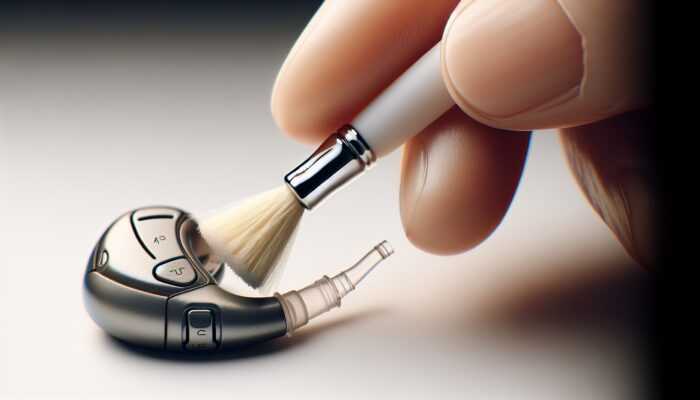
Categories
Health & Wellness Hearing Devices

Hearing Aids: Essential Insights and Tips Before Buying

Last Updated on 31/01/2026 by Admin

Essential Insights for Gaining a Comprehensive Understanding of Hearing Loss and Its Consequences

What Are the Primary Factors Leading to Hearing Loss?

Hearing loss can arise from a myriad of factors, including age-related changes and environmental influences such as prolonged exposure to loud sounds. As individuals age, the complex structures within the ear gradually deteriorate, leading to a slow decline in hearing capabilities. For example, a 70-year-old may struggle to follow conversations in noisy settings like bustling restaurants or family gatherings, primarily due to diminished sensitivity to certain frequencies, particularly higher pitches. This gradual decline underlines the necessity of raising awareness about age-related hearing loss in society.

Another significant contributor to hearing loss is continuous exposure to loud noises, whether from music, <a href="https://www.earwaxremoval.net/workplace-noise-and-its-universal-effects-on-hearing/">industrial machinery</a>, or urban noise. This condition, termed noise-induced hearing loss, can develop over time, often without noticeable symptoms until substantial damage has occurred. For instance, a construction worker who spends years on job sites without adequate hearing protection may find themselves grappling with hearing issues, which can create barriers to communication and elevate safety risks. Timely detection of hearing loss is crucial; being aware of any changes in auditory perception can empower individuals to seek prompt interventions that might prevent further decline.

Recognising these causes also illuminates their broader implications on everyday life. Hearing loss can lead to feelings of isolation, frustration, and anxiety, particularly for those who find it challenging to engage fully in conversations or activities they once cherished. By pursuing professional assessments at the first signs of hearing changes—such as difficulties in understanding speech or frequently requesting others to repeat themselves—individuals can take proactive steps towards improving their hearing health and overall quality of life.

What Are the Essential Signs Indicating Hearing Challenges?

Recognising the signs of hearing difficulties is vital for ensuring prompt intervention. One of the most prevalent indicators is difficulty in conversations, especially in noisy environments. Many individuals may often find themselves asking others to repeat themselves or struggling to catch specific words, leading to frequent misunderstandings. Another crucial symptom is the presence of tinnitus, which is characterised by a ringing or buzzing sensation in the ears and may accompany hearing loss. Tinnitus can be persistent or intermittent and often becomes more pronounced in quiet settings, serving as a useful self-assessment tool.

To effectively monitor changes in hearing, individuals can employ simple self-assessment techniques. Keeping a diary of situations where hearing difficulties arise can help identify specific challenges. For instance, if someone struggles to understand dialogue on television or during a film, this could signify a potential issue. Furthermore, individuals should pay attention to their reactions in social contexts; increased fatigue or irritability following conversations may indicate that auditory strain is impacting their well-being.

Regular reflection on these experiences equips individuals to express their concerns when seeking professional assistance. Taking a proactive approach not only facilitates timely diagnoses but also aids in identifying appropriate hearing aids and treatments tailored to individual needs, ultimately enhancing their quality of life.

Why Is Seeking Professional Evaluation Crucial for Maintaining Hearing Health?

A professional evaluation is vital for accurately identifying individual hearing requirements. Comprehensive hearing assessments conducted by audiologists provide invaluable insights into the specific nature and extent of hearing loss, guiding effective hearing aid selection. Typically, a thorough evaluation includes a series of tests that assess the ability to hear various frequencies and overall auditory processing. For instance, an audiologist may employ tonal audiometry to evaluate the faintest sounds a person can detect across different pitches, leading to tailored recommendations based on the assessment results.

To maximise the effectiveness of these appointments, individuals should prepare by gathering relevant information regarding their hearing history, including any known exposure to loud environments and the particular challenges they face in daily interactions. Additionally, it is beneficial to compile a list of questions about potential solutions and the features of different hearing aids.

  • Document situations where hearing difficulties occur.
  • List any previous hearing tests and their results.
  • Prepare inquiries about types and features of hearing aids.
  • Consider bringing a family member for support and additional insights.

By arriving fully prepared, individuals can ensure that their evaluations are thorough and yield actionable outcomes, ultimately facilitating more effective management of their hearing health and enhancing their overall communication experience.

How Do Hearing Aids Operate and What Advantages Do They Offer?

What Are the Core Mechanisms That Drive Hearing Aids?

Hearing aids function by amplifying sound and enhancing auditory input, allowing users to engage more comfortably with their surroundings. The fundamental mechanism of hearing aids revolves around sound amplification and processing technologies that adapt to varying environments. Generally, a hearing aid consists of a microphone, an amplifier, and a speaker. The microphone captures sound waves from the environment, converting them into electrical signals. Subsequently, these signals are processed and amplified to a level that the user can perceive before being transmitted to the speaker, which delivers the sound to the ear.

Contemporary hearing aids frequently incorporate advanced sound processing capabilities, enabling them to differentiate between various types of sounds, such as speech and background noise. For example, in a bustling café, a high-quality hearing aid can enhance the sound of conversations while minimising distracting noises like clinking dishes or ambient chatter. This adaptability is crucial for ensuring clarity in different listening environments, allowing users to enjoy social interactions without the frustration of competing sounds.

Moreover, advancements in technology have resulted in features such as directional microphones, which concentrate on sound coming from a specific direction, and feedback cancellation systems that prevent annoying whistling noises. This comprehensive range of functionalities empowers users to seamlessly incorporate their hearing aids into daily life, whether attending a concert or enjoying a quiet conversation at home.

What Distinctions Exist Among Hearing Aid Features?

Hearing aids are not one-size-fits-all; they come equipped with a variety of features designed to enhance the user experience. One of the most critical differences lies in the volume control settings. Some aids offer manual adjustments, allowing users to fine-tune sound based on their immediate needs, while others provide automatic adjustments based on the surrounding environment. This feature ensures optimal comfort, whether the user is in a crowded venue, a quiet library, or outdoors.

Another significant aspect is noise reduction technology, which plays a vital role in improving the overall user experience. Hearing aids equipped with advanced noise reduction algorithms can significantly minimise background noise, facilitating clearer conversations. For example, a user at a family gathering can focus on dialogue without being overwhelmed by the noise of children playing or background music, enhancing their social engagement.

Features such as Bluetooth connectivity are also increasingly common, allowing users to connect their hearing aids directly to smartphones or other devices. This connectivity enables streamlined phone calls, music streaming, and even direct app programming for adjusting settings without removing the aids. The integration of these features not only enhances user comfort but also enriches their listening experience across various activities, making modern hearing aids versatile tools for auditory enhancement.

Ultimately, understanding the differences in hearing aid features empowers users to select devices that align with their unique needs and lifestyles, ensuring they can navigate their auditory world with confidence and ease.

How Can Users Effectively Assess the Functionality of Their Hearing Aids?

Testing the functionality of hearing aids is essential to ensure they meet individual needs effectively. One of the best methods to evaluate performance is through trial periods, which many audiologists offer. During these trial phases, users can assess the aids in real-world environments, determining whether the device amplifies their hearing as intended. Feedback from users during this period is invaluable, assisting audiologists in making necessary adjustments to optimise performance based on individual experiences.

To ensure a comprehensive evaluation, users should conduct specific tests to check for sound quality and comfort. For instance, they can listen to music or engage in conversations in various settings to gauge how well the aids filter sound and reduce background noise. If issues arise, such as unusual feedback or discomfort, users should document these experiences to address them effectively with their audiologist for tailored solutions.

Additionally, users can adopt a proactive approach by regularly checking battery levels and ensuring components are clean and free from debris, as proper maintenance significantly affects functionality. A simple daily check can prevent common problems that might impede performance, allowing users to fully enjoy their hearing aids.

Education about troubleshooting common issues can also foster sustained use. For example, if a user experiences feedback, they should check the placement of the aid in the ear and ensure it fits snugly. Simple adjustments or maintenance can sometimes resolve these concerns without needing professional intervention, empowering users to manage their hearing aids effectively.

Professional Advice on Key Considerations Before Purchasing Hearing Aids

What Are the Crucial Factors to Evaluate When Selecting the Right Hearing Aid?

Choosing the appropriate hearing aid involves considering several key factors, including fit, technology compatibility, and user lifestyle. The fit of a hearing aid is of utmost importance; it must be comfortable and secure to ensure effective sound delivery. Custom-moulded options often yield the best results in terms of comfort and functionality, particularly for users with unique ear shapes. For instance, an active individual who enjoys outdoor activities may prefer a behind-the-ear model that is both secure and resistant to moisture, ensuring optimal performance in various environments.

Technology compatibility is equally critical. Users should evaluate whether the hearing aid integrates well with other devices they frequently use, such as smartphones or televisions. For example, a tech-savvy individual may benefit from hearing aids featuring Bluetooth technology, allowing for seamless connectivity for calls and media streaming. This feature can significantly enhance daily interactions and media consumption, elevating the overall user experience.

Real-world examples illustrate the impact of these considerations. A retiree who volunteers at a community centre may prioritise aids with advanced noise reduction features to enhance conversations amidst chatter and activity. Conversely, a younger user may focus on aesthetics and connectivity options that complement their active lifestyle. By analysing individual profiles and preferences, users can make informed decisions that lead to successful hearing aid selections tailored to their unique needs.

What Advantages Do Advanced Hearing Solutions Provide?

The benefits offered by advanced hearing solutions extend far beyond simple sound amplification; they encompass a holistic approach to auditory enhancement. Innovative features, such as automatic sound adjustments and speech enhancement, provide users with significant advantages. These technologies allow devices to adapt in real-time to varying sound environments, ensuring that users experience optimal sound clarity without requiring manual adjustments.

Moreover, advanced hearing aids often come with connectivity options, such as Bluetooth, which facilitate direct streaming from smartphones, tablets, and televisions. This capability not only enhances daily listening experiences but also fosters greater integration into modern lifestyles. For instance, a busy professional can attend virtual meetings and participate in conversations without removing their aids, thereby increasing both productivity and interpersonal communication.

Long-term advantages also arise from adopting advanced hearing solutions. Research indicates that users of sophisticated aids tend to enjoy a better quality of life, experiencing fewer issues related to social isolation and cognitive decline. For example, a 65-year-old woman who embraces modern digital aids finds herself more engaged in social activities, resulting in improved mental health and emotional well-being.

As technology continues to evolve, understanding how these innovations can be integrated into daily life is essential. Users who embrace these advances can achieve optimal results, tailoring their auditory experiences to their specific needs and preferences, ultimately enhancing their overall quality of life.

What Common Myths Exist Surrounding Hearing Aids?

Numerous myths surrounding hearing aids can lead to misunderstandings about their use and effectiveness. One prevalent misconception is that hearing aids are prohibitively expensive. While some models can indeed carry a high price tag, many affordable options are available that significantly improve hearing capabilities. Users should explore different price ranges and understand that investing in hearing health can yield long-term benefits that outweigh initial costs.

Another myth is that hearing aids signify aging or weakness. Contrary to this belief, using hearing aids is a proactive decision aimed at maintaining one’s quality of life and enhancing communication abilities. Many individuals, regardless of age, benefit from hearing aids, especially in today’s noisy environments, where clear communication is essential.

Additionally, some people believe that hearing aids will fully restore hearing to normal levels. While these devices significantly enhance hearing capabilities, they do not replicate natural hearing. Users must adjust their expectations and understand that hearing aids are tools designed to help them navigate their auditory environment more effectively, rather than providing a perfect solution.

To combat these myths, individuals should seek reliable information from audiologists, user forums, and reputable organisations. Engaging in conversations with existing hearing aid users can also provide valuable insights into the realities of owning and using these devices, helping to dispel common misconceptions and promote informed decisions.

What Are the All-Encompassing Benefits of Hearing Aids?

How Do Hearing Aids Foster Enhanced Daily Communication?

The primary advantage of hearing aids lies in their ability to enhance daily communication. Improved auditory perception transforms social interactions, enabling users to engage more naturally in conversations and reducing the need for repetition and clarification. This enhanced clarity fosters better understanding and connection with loved ones, allowing for more meaningful relationships and enriching social experiences that contribute to overall well-being.

Everyday scenarios highlight the tangible benefits of hearing aids. For instance, users can enjoy family gatherings without straining to hear discussions, feel more included in group settings, or actively participate in community events. In restaurants, improved sound perception means users can engage with companions effortlessly, enjoying the ambiance without feeling overwhelmed by background noise, which significantly enhances their dining experience.

Moreover, the psychological benefits of improved communication cannot be understated. Users often report increased confidence in social situations, leading to more active participation in life. This newfound confidence can reduce feelings of isolation and anxiety, allowing individuals to reconnect with hobbies and interests they may have shied away from due to hearing difficulties. Overall, hearing aids significantly enhance daily communication, leading to improved relationships, increased confidence, and richer social interactions that enhance overall quality of life.

What Health Benefits Extend Beyond Hearing When Using Hearing Aids?

The health advantages of using hearing aids extend beyond the immediate improvement in auditory perception; they positively impact both cognitive and emotional well-being. Research has shown that untreated hearing loss is linked to cognitive decline and an increased risk of conditions such as depression and anxiety. By enhancing auditory input through hearing aids, users can engage more actively with their environment and social circles, thus supporting overall cognitive health and emotional resilience.

For instance, an elderly individual who begins using hearing aids may experience a reduction in feelings of loneliness and isolation. Enhanced communication fosters connections with family and friends, leading to increased mental stimulation and emotional support. Regular social interactions are critical for maintaining cognitive function, as they challenge the brain and promote mental agility, contributing to overall cognitive health.

Furthermore, users often report decreased stress levels as they navigate their surroundings with confidence. The ability to hear alarms, notifications, and conversations clearly means users can respond appropriately to their environment, reducing anxiety associated with missed auditory cues. This newfound security contributes to improved mental health outcomes, promoting a more fulfilling lifestyle that enhances overall quality of life.

In summary, the health advantages of hearing aids are profound, linking improved auditory function with better cognitive and emotional wellness. Users who embrace these devices not only enhance their hearing capabilities but also support their overall health and happiness, leading to a more enriched and fulfilling life.

What Is the Long-Term Value of Investing in Hearing Aids?

Investing in hearing aids offers significant long-term value, both in terms of enhanced auditory health and cost-effectiveness. Users often experience sustained improvements in their quality of life, leading to better social interactions and overall satisfaction. The return on this investment becomes apparent as users realise the benefits of actively engaging in activities they previously avoided due to hearing difficulties, promoting a more vibrant lifestyle.

Moreover, the long-term cost-effectiveness of hearing aids is noteworthy. While the initial purchase may seem significant, the savings achieved through reduced social isolation, improved mental health, and increased independence can outweigh these costs over time. For example, individuals who actively participate in social events tend to incur lower healthcare costs associated with mental health issues and other complications linked to untreated hearing loss, further highlighting the economic benefits of investing in hearing aids.

Regular maintenance and care of hearing aids further contribute to their longevity and performance. By adhering to daily care routines and seeking professional adjustments when necessary, users can extend the life of their devices, maximising their investment. Proactive users who schedule routine check-ups can ensure their aids remain optimised for changing needs, enhancing overall value and effectiveness.

In essence, the long-term value of using hearing aids is multifaceted, encompassing improved auditory health, better mental well-being, and economic savings, making it a wise investment for individuals seeking to enhance their quality of life and overall well-being.

How Do Hearing Aids Enhance Safety and Environmental Awareness?

Hearing aids significantly enhance users’ safety and environmental awareness, which is crucial for navigating daily life confidently. By amplifying essential sounds—such as alarms, traffic, and environmental cues—these devices play a vital role in preventing accidents and fostering independence. For instance, a pedestrian wearing hearing aids can detect oncoming vehicles more effectively, allowing for safer navigation through busy streets and enhancing their overall safety.

Moreover, hearing aids help users remain aware of their surroundings, enhancing situational awareness in various environments. Individuals can hear important announcements in public spaces, such as airports or train stations, ensuring they do not miss crucial travel information. This capability fosters an increased sense of security, allowing users to feel more in control of their environment and less anxious in unfamiliar situations.

The benefits of enhanced awareness extend to vulnerable populations, including the elderly or those with mobility challenges. For example, a senior citizen living independently can respond promptly to doorbells or emergency alarms, ensuring timely assistance when needed. The peace of mind that comes from being aware of one’s surroundings significantly contributes to overall well-being and independence, allowing users to live more confidently and actively.

In summary, hearing aids provide a critical safety net for users, enhancing their ability to navigate their environments confidently and effectively. The integration of these devices into daily life not only promotes independence but also reduces the risk of accidents and enhances overall quality of life, making them invaluable tools for auditory enhancement and personal safety.

What Is the Importance of Customisation and Technological Integration in Hearing Aids?

Modern hearing aids offer a level of customisation and technological integration that significantly enhances user satisfaction and adaptability. Advanced features allow users to tailor their devices to fit their unique preferences and lifestyles, ensuring optimal performance in various situations. Customisation options may include adjustable settings for different environments, enabling users to optimise sound clarity based on their surroundings and specific auditory needs.

For instance, users can programme their hearing aids to differentiate settings for quiet environments, such as reading at home, versus noisy situations, like dining at a restaurant. This adaptability ensures that users experience optimal sound quality and comfort in all contexts, enhancing their overall listening experience and making it more enjoyable.

Additionally, technological integration is a hallmark of modern hearing aids. Many devices now feature smartphone connectivity, allowing users to stream audio directly from their phones or adjust settings through user-friendly applications. This capacity for integration fosters a seamless experience for users, enabling them to engage with technology effortlessly while enhancing their hearing capabilities and overall quality of life.

The overall effect of these advancements is profound. Users who embrace customisable and technologically integrated hearing aids often report higher satisfaction and improved quality of life. This adaptability not only ensures a better auditory experience but also promotes long-term adherence to device usage, ultimately supporting users in their hearing health journey and enhancing their daily interactions.

Research-Driven Insights on Selecting Hearing Aids

What Does Research Indicate About the Effectiveness of Hearing Aids?

Numerous studies underscore the effectiveness of hearing aids in improving auditory perception and overall user satisfaction. Research suggests that individuals who consistently use hearing aids report significant enhancements in communication abilities, social engagement, and mental health outcomes. One noteworthy finding reveals that users experience a notable increase in satisfaction with their quality of life when they actively engage with their hearing aids, highlighting their profound impact on everyday living.

To explore options effectively, prospective users should seek testimonials and reviews from current users, as well as insights from audiologists regarding device performance. Consulting reputable sources, including audiology associations, can provide valuable information about the latest models and technologies on the market. This approach enables individuals to make informed decisions that align with their specific needs and preferences.

Additionally, prospective users should consider their unique auditory profiles, as personalised recommendations based on comprehensive audiological assessments can further enhance satisfaction. Exploring hearing aids that have been scientifically validated for their effectiveness ensures individuals make choices grounded in evidence, further empowering them on their hearing health journey.

Ultimately, understanding the evidence supporting hearing aids empowers users to approach their hearing health with confidence, paving the way for successful integration of these devices into their daily lives and enhancing their overall auditory experiences.

How Do Hearing Aids Contribute to Overall Wellness?

Hearing aids contribute to overall wellness in several dimensions, enhancing not only auditory function but also mental and physical health. Research has shown that individuals who use hearing aids experience better cognitive functioning, which is crucial for maintaining mental acuity as they age. Improved auditory input fosters active engagement in conversations and social interactions, resulting in enhanced cognitive stimulation that supports brain health and overall cognitive resilience.

Real-world examples illustrate the positive impact of hearing aids on wellness. For instance, a retiree who begins using hearing aids may find joy in reconnecting with friends and participating in community activities, leading to reduced feelings of isolation and an overall boost in mood. As social interactions increase, so too does cognitive engagement, providing a dual benefit for mental health and emotional well-being.

Moreover, the physical aspects of well-being are also enhanced by hearing aids. By improving auditory perception, users can remain aware of their surroundings, thus reducing the risk of accidents and injuries. This heightened awareness positively impacts confidence, enabling users to navigate public spaces and social settings without fear or anxiety, further contributing to their overall quality of life.

In summary, hearing aids play a vital role in supporting holistic wellness, enhancing auditory function while contributing to improved cognitive and physical health. Users who embrace these devices can experience a richer, more fulfilling life, underscoring the importance of addressing hearing health as a component of overall well-being.

What Potential Challenges Might Users Encounter with Hearing Aids, and What Solutions Exist?

Despite the multitude of benefits associated with hearing aids, users may encounter potential challenges during their adaptation process. Common issues include difficulty adjusting to sound quality, discomfort, or the presence of feedback. However, evidence-based strategies can help users effectively overcome these challenges and enhance their overall experience.

One key to successful integration is education about the devices. Understanding how to optimise settings and troubleshoot common problems empowers users to address concerns proactively. Audiologists can provide valuable guidance, offering tips tailored to individual preferences and hearing profiles, which can facilitate a smoother adjustment process.

Additionally, users can benefit from gradual acclimatisation. Starting with short periods of wear and gradually increasing usage can help individuals adapt more comfortably to hearing aids. This approach allows users to become accustomed to amplified sounds without feeling overwhelmed, thereby promoting sustained use.

Regular maintenance and care also play a crucial role in ensuring long-term satisfaction. Simple practices, such as cleaning and battery checks, can prevent common issues that may hinder performance. By adopting a proactive approach to troubleshooting and maintenance, users can minimise disruptions and enjoy their hearing aids effectively, ensuring they remain invaluable tools for auditory enhancement.

  • Engage with audiologists for personalised advice and adjustments.
  • Practice wearing aids in familiar environments before venturing into new settings.
  • Keep a log of experiences to identify specific challenges for discussion with professionals.
  • Seek support from user groups or forums for shared experiences and tips.

By proactively addressing challenges, users can ensure a smoother transition into the world of hearing aids, maximising the benefits these devices offer and enhancing their overall quality of life.

What Are the Latest Innovations in Hearing Aid Technology?

The landscape of hearing aid technology is continually evolving, with recent advancements significantly enhancing user experiences. Innovations such as Bluetooth connectivity, AI integration, and advanced sound processing capabilities have transformed the functionality of hearing aids, making them more versatile and user-friendly than ever before.

For example, Bluetooth-enabled hearing aids allow users to connect directly to smartphones, enabling seamless streaming of phone calls, music, and podcasts. This technology not only simplifies day-to-day communication but also enriches the overall auditory experience, allowing users to enjoy their favourite media without the need for additional accessories or devices.

Furthermore, artificial intelligence is being integrated into hearing aids, providing users with adaptive sound processing that learns and adjusts to individual listening preferences and environments. This capacity for personalisation means that hearing aids can better distinguish between background noise and relevant sounds, significantly enhancing clarity and comfort for users across various situations.

To assess these technological advancements, prospective users should consider key specifications, such as battery life, connectivity options, and compatibility with other devices. Engaging with audiologists can provide insights into the latest innovations and ensure individuals select devices that align with their lifestyles and hearing needs.

In summary, the advancements in hearing aid technology are revolutionary, significantly enhancing user experiences and capabilities. Understanding these innovations enables individuals to make informed choices that elevate their auditory health and overall quality of life, ensuring they can enjoy the benefits of modern technology in their hearing aids.

What Evidence-Based Factors Should Be Considered When Selecting Hearing Aids?

When selecting hearing aids, several evidence-based factors should be considered to ensure users make informed choices that align with their needs. Key criteria include fit, battery life, and customisation options. Proper fit is vital for optimal performance; aids that are uncomfortable or poorly fitted can lead to decreased satisfaction and usage. Custom-moulded options often provide the best fit, ensuring maximum comfort and sound delivery for users.

Battery life is another critical consideration. Users should assess their lifestyle and select hearing aids that accommodate their daily routines without frequent battery changes. Rechargeable models are gaining popularity, offering convenience and reducing waste associated with disposable batteries, making them an environmentally friendly choice.

Customisation options also play a significant role in selecting hearing aids that meet individual preferences. Many modern devices come with features that allow users to adjust settings based on different environments, ensuring optimal performance throughout various activities, whether at home, work, or social settings.

Prospective users should engage in trials where possible, assessing how different aids perform in real-world situations. Consulting with audiologists can also provide invaluable insights, ensuring individuals select devices based on comprehensive evaluations and user feedback, ultimately leading to better satisfaction and results.

In conclusion, making informed decisions about hearing aids involves considering evidence-based factors that align with individual needs and lifestyles. By prioritising fit, battery life, and customisation, users can select devices that enhance their auditory experience and overall satisfaction, leading to improved quality of life.

Crucial Maintenance Guidelines for Hearing Aids

What Daily Care Practices Are Essential for Ensuring Hearing Aid Longevity?

Establishing daily care routines is essential for extending the longevity and performance of hearing aids. Simple practices, such as cleaning and proper storage, can prevent damage and ensure optimal functioning. Users should begin by cleaning their hearing aids regularly, removing any debris, wax, or moisture that may accumulate. A soft, dry cloth can be used to wipe down the exterior, while specific cleaning tools provided by audiologists can help maintain the delicate internal components.

Proper storage is equally important. Hearing aids should be kept in a dry, cool place, ideally in a protective case when not in use. This practice not only protects the devices from environmental factors but also minimises the risk of loss or damage, ensuring they remain in good working condition for as long as possible.

In addition to daily maintenance, users should schedule regular check-ups with their audiologists. These appointments allow for professional cleaning and adjustments, ensuring that the devices operate optimally over time. Keeping a routine maintenance schedule can prevent minor issues from escalating into significant problems, ultimately extending the life of the aids and enhancing their functionality.

By prioritising daily care routines, users can significantly enhance the longevity and reliability of their hearing aids, ensuring they receive the maximum benefit from these essential devices throughout their use.

What Indicators Signal Wear and Tear in Hearing Aids?

Recognising the signs of wear and tear in hearing aids is crucial for maintaining functionality and performance. Common indicators include diminished sound quality, feedback noises, or physical damage to the device. For instance, if users notice a decrease in sound amplification or clarity, it may signal that the aids require professional attention or adjustments.

Physical signs of wear may include cracks in the casing, loose components, or malfunctioning buttons. Users should regularly inspect their devices for any visible damage or anomalies. Additionally, if hearing aids consistently produce feedback or whistling sounds, it may indicate an improper fit or blockage that needs addressing, warranting immediate attention to ensure optimal performance.

When signs of wear and tear are noted, it is essential for users to seek professional assistance as soon as possible. Audiologists can provide thorough assessments, identifying any needed repairs or adjustments. Prompt action can prevent further damage and ensure that users continue to enjoy optimal hearing experiences, allowing them to navigate their environments confidently.

By remaining vigilant about the condition of their hearing aids, users can proactively manage potential issues, ensuring their devices remain in excellent working order and provide the auditory support they need.

How Can Users Troubleshoot Common Issues with Hearing Aids?

Addressing common issues with hearing aids is vital for ensuring uninterrupted use and optimal performance. Frequent problems include issues like feedback, battery failure, and sound distortion. Users experiencing feedback, a common whistling sound, should check the fit of the hearing aids, ensuring that they are positioned correctly within the ear. Adjustments may be necessary to eliminate this issue, and users can consult their audiologists for guidance on achieving the best fit and minimising feedback.

Battery failure can also disrupt functionality. Users should regularly check battery levels and replace them as needed, ensuring their aids remain powered. For rechargeable models, maintaining a consistent charging routine is essential for preventing unexpected outages, allowing for uninterrupted hearing experiences.

Sound distortion may arise from debris or wax accumulation. Users should perform routine cleaning, carefully following the manufacturer’s guidelines to ensure all components are well-maintained. If issues persist despite troubleshooting efforts, seeking professional help from an audiologist can provide additional insights and solutions tailored to the specific problem at hand.

By adopting a proactive approach to troubleshooting, users can minimise disruptions and enjoy their hearing aids effectively, ensuring they remain invaluable tools for auditory enhancement and improving their overall quality of life.

Key Factors to Consider When Purchasing Hearing Aids

What Are the Primary Budget and Cost Factors to Evaluate?

When contemplating the purchase of hearing aids, evaluating budget and cost factors is paramount. The initial investment can vary significantly based on features and technology, making it essential for individuals to weigh their options judiciously. While premium models may offer advanced functionalities, it is crucial to assess whether these features align with personal needs and lifestyle preferences.

Users should also consider long-term value in their budgeting process. Investing in high-quality devices that provide durability and enhanced functionality can reduce the need for replacements or repairs over time, leading to greater overall savings. Additionally, many insurance plans and health savings accounts may cover a portion of hearing aid costs, providing potential financial relief that can alleviate the burden of initial expenses.

To compare options effectively, individuals should create a list of desired features and functionalities, allowing them to assess which models align with their budget. Engaging with audiologists for guidance on selecting devices that offer the best value can also be beneficial, ensuring that users make informed choices that support their hearing health without overspending.

Ultimately, understanding budget and cost factors ensures individuals make informed decisions that support their hearing health while considering financial implications, making it a critical aspect of the purchasing process.

Why Is Comfort a Vital Consideration in Selecting Hearing Aids?

Comfort is a crucial consideration when selecting hearing aids, as it profoundly impacts user adherence and satisfaction. Poorly fitted devices can lead to discomfort, irritation, and diminished usage, ultimately impairing the effectiveness of the aids. Therefore, prioritising ergonomic design and fit is essential for long-term success and user satisfaction.

When trying on hearing aids, users should move around and simulate various activities to assess comfort levels. Behaviours such as talking, walking, or wearing the aids for extended periods can help determine how well the devices fit in real-life scenarios. Custom-moulded options often provide the best fit, ensuring that users can wear their aids comfortably throughout the day, enhancing their overall experience.

Additionally, the lightweight design of hearing aids can enhance comfort, making it easier for individuals to forget they are wearing them. Engaging in conversations with audiologists about fit and comfort features can assist users in finding options that best meet their needs, ensuring they make a choice that supports prolonged use and satisfaction.

By emphasising comfort during the selection process, individuals can ensure they choose devices that promote prolonged use and enhance their overall hearing experience, leading to improved communication and quality of life.

What Are the Final Steps to Take Before Completing a Hearing Aid Purchase?

Before finalising a purchase, there are several final steps individuals should take to ensure satisfaction with their hearing aids. Verification of features is paramount; users should double-check specifications to ensure the aids align with their needs. This includes reviewing sound processing capabilities, battery life, and connectivity options to ensure they meet personal preferences and requirements for daily use.

Warranties and return policies are also essential considerations. Understanding the warranty terms can provide peace of mind, ensuring users are protected against defects or issues that may arise. Additionally, comprehensive return policies allow individuals to trial the aids, assessing fit and functionality in their everyday lives before making a complete commitment to purchasing.

Post-purchase support should not be overlooked either. Engaging with audiologists for follow-up appointments and adjustments can significantly enhance the user experience. These sessions allow for fine-tuning based on feedback and individual preferences, ensuring optimal performance and satisfaction with the chosen devices.

By completing these final steps, individuals can finalise their purchase with confidence, knowing they have made a well-informed decision that supports their hearing health journey and enhances their overall auditory experience.

How Can Users Assess Durability and Build Quality in Hearing Aids?

Assessing the durability and build quality of hearing aids is critical for ensuring long-term satisfaction and reliability. The materials used in construction can significantly impact the lifespan and performance of the devices. Users should look for hearing aids constructed from high-quality materials that can withstand daily wear and tear, particularly if they lead active lifestyles or work in challenging environments.

Additionally, checking user reviews and ratings can provide insights into the durability of specific models. Feedback from other users often highlights experiences regarding how well devices stand up to regular use and environmental factors. Engaging with audiologists can also help in identifying brands and models known for their longevity and resilience, guiding users toward reliable choices.

Testing hearing aids during trial periods enables users to gauge their durability firsthand. Observing how devices perform in various conditions—such as exposure to moisture or temperature fluctuations—can offer valuable insights into their overall build quality and ability to withstand everyday challenges.

By prioritising durability and build quality in their purchasing decisions, individuals can select hearing aids that not only meet their auditory needs but also provide reliable performance for years to come, ensuring they are a worthwhile investment in their hearing health.

What Frequently Asked Questions Surround Hearing Aids?

What’s the average cost of hearing aids?

The average cost of hearing aids can range widely from $1,000 to $4,000 per device, depending on features, technology, and customisation options available.

How do I know if I need hearing aids?

Signs such as difficulty understanding conversations, frequently asking others to repeat themselves, or experiencing tinnitus may indicate a need for hearing aids. Consulting an audiologist can provide clarity and guidance.

Are hearing aids covered by insurance?

Coverage for hearing aids varies by insurance plan. Some plans may cover a portion of the costs, while others may not. It’s essential to check with your provider for specific details regarding coverage.

How long do hearing aids last?

With proper care and maintenance, hearing aids can last anywhere from 3 to 7 years, depending on usage and model quality, making regular upkeep crucial for longevity.

Can I wear hearing aids while exercising?

Yes, many modern hearing aids are designed to be durable and moisture-resistant, making them suitable for wear during exercise. However, it’s essential to check the specific model’s specifications for suitability.

What should I do if my hearing aid isn’t working?

If your hearing aid isn’t working, check the battery, ensure it’s clean, and verify that it’s fitted correctly. If issues persist, consult with your audiologist for troubleshooting and professional assistance.

Can I adjust the settings on my hearing aids?

Many modern hearing aids offer adjustable settings, allowing users to modify volume or program features based on their environment. Some models even allow smartphone connectivity for remote adjustments, enhancing user convenience.

How often should I get my hearing aids checked?

Regular check-ups with your audiologist are recommended every 6 to 12 months to ensure optimal performance and to address any changes in hearing needs or preferences.

Are there hearing aids for mild hearing loss?

Yes, there are various hearing aids available specifically designed for mild hearing loss. Audiologists can recommend suitable options based on individual assessments and hearing profiles.

What maintenance is required for hearing aids?

Routine maintenance includes daily cleaning, battery checks, and occasional professional servicing to ensure optimal functionality and longevity of the devices.

Discover our world on X!

The post Top Tips Before Buying Hearing Aids: Essential Insights appeared first on The Microsuction Ear Wax Removal Network.

The post Top Tips Before Buying Hearing Aids: Essential Insights appeared first on Healthcare Marketing Service.

Categories
Health & Wellness Hearing Devices

Hearing Aids: Essential Insights and Top Buying Tips

Last Updated on 31/01/2026 by Admin

In-Depth Exploration of Hearing Loss and Its Consequences

What Are the Primary Contributors to Hearing Loss?

Hearing loss arises from a multitude of factors, notably age-related changes and environmental influences, particularly prolonged exposure to loud sounds. As individuals age, the delicate structures within the ear undergo natural degradation, which can gradually impair hearing abilities. For instance, a 70-year-old may increasingly struggle to engage in conversations in noisy settings, such as bustling restaurants or family gatherings, largely due to a diminished sensitivity to certain frequencies, especially higher pitches. This gradual decline emphasises the critical need for awareness surrounding age-related hearing loss.

Another significant contributor to hearing loss is the persistent exposure to loud noises, be it from music, industrial machinery, or urban noise. This condition, termed noise-induced hearing loss, may develop silently over time, often without any clear symptoms until considerable damage has occurred. For example, a construction worker who spends years on-site without adequate hearing protection may find themselves struggling to hear, potentially leading to communication barriers and heightened safety risks. Early recognition of hearing loss is crucial; being conscious of shifts in auditory perception can motivate individuals to seek prompt interventions that could mitigate further deterioration.

Understanding these underlying causes also sheds light on their wider implications for everyday life. Hearing loss can lead to feelings of isolation, frustration, and anxiety, particularly when individuals find it difficult to engage fully in conversations or partake in activities they once cherished. By seeking professional evaluations at the onset of any changes in hearing—such as challenges in understanding speech or frequently requesting others to repeat themselves—individuals can embark on proactive measures towards enhanced hearing health and overall well-being.

What Are the Crucial Symptoms Indicating Hearing Difficulties?

Recognising the symptoms of hearing difficulties is vital for ensuring timely intervention. One of the most prevalent signs is difficulty in conversations, especially in noisy environments. Many individuals may frequently ask others to repeat themselves or struggle to catch specific words, leading to misunderstandings and social awkwardness. Another noteworthy symptom is the occurrence of tinnitus, which manifests as a ringing or buzzing sensation in the ears that may accompany hearing loss. Tinnitus can be persistent or intermittent and may become more pronounced in quieter settings, serving as a useful self-assessment tool.

To effectively track changes in hearing, individuals can employ straightforward self-assessment techniques. Maintaining a log of situations where hearing difficulties arise can help identify specific challenges. For example, if someone struggles to understand dialogue on television or during films, this could indicate a possible issue. Moreover, individuals should remain aware of their reactions in social environments; increased fatigue or irritability following conversations may suggest that auditory strain is adversely affecting their well-being.

Regular reflection on these experiences equips individuals to clearly express their concerns when seeking professional assistance. A proactive approach not only facilitates timely diagnoses but also aids in identifying suitable hearing aids and treatments tailored to individual needs, ultimately enhancing overall quality of life.

Why Is Seeking Professional Evaluation Vital for Hearing Health?

A professional evaluation is essential for accurately determining individual hearing needs. Comprehensive hearing assessments provided by audiologists yield invaluable insights into the specific nature and extent of hearing loss, thereby guiding effective hearing aid selection. Typically, a thorough evaluation encompasses a series of tests assessing the ability to hear various frequencies and overall auditory processing. For instance, an audiologist may employ tonal audiometry to evaluate the faintest sounds an individual can detect across different pitches, leading to customised recommendations based on the assessment findings.

To maximise the efficacy of these appointments, individuals should prepare by gathering relevant information about their hearing history, including any known exposure to loud environments and the specific challenges they face in daily interactions. Furthermore, compiling a list of questions concerning potential solutions and the features of various hearing aids can be beneficial.

  • Document situations where hearing difficulties arise.
  • List any prior hearing tests and their results.
  • Prepare inquiries about types and features of hearing aids.
  • Consider bringing a family member for support and additional insights.

By arriving well-prepared, individuals can ensure that their evaluations are thorough and yield actionable outcomes, ultimately facilitating more effective management of their hearing health and enhancing their overall communication experience.

How Do Hearing Aids Operate and What Advantages Do They Offer?

What Are the Fundamental Operating Principles of Hearing Aids?

Hearing aids function by amplifying sound and enhancing auditory input, enabling users to engage more comfortably with their environments. The core operation of hearing aids centres on sound amplification and processing technologies that adapt to various surroundings. Generally, a hearing aid comprises a microphone, an amplifier, and a speaker. The microphone captures sound waves from the environment and converts them into electrical signals. These signals are then processed and amplified to a level that the user can perceive, before being relayed to the speaker, which delivers the sound to the ear.

Modern hearing aids frequently incorporate sophisticated sound processing capabilities, allowing them to differentiate between various sound types, such as speech and background noise. For instance, in a bustling café, a high-quality hearing aid can boost the sound of conversations while minimising distracting noises like clinking dishes or ambient chatter. This adaptability is vital for ensuring clarity in diverse listening environments, enabling users to enjoy social interactions without the frustration of competing sounds.

Moreover, technological advancements have introduced features such as directional microphones, which focus on sound coming from a specific direction, and feedback cancellation systems that prevent annoying whistling noises. This comprehensive range of functionalities empowers users to seamlessly integrate their hearing aids into daily life, whether they are attending a concert or enjoying a quiet conversation at home.

What Distinctions Exist Among Hearing Aid Features?

Hearing aids are not one-size-fits-all; they come equipped with a variety of features designed to enhance the user experience. One of the most significant differences lies in the volume control settings. Some devices offer manual adjustments, allowing users to fine-tune the sound based on their immediate needs, while others provide automatic adjustments based on the surrounding environment. This feature guarantees optimal comfort, whether the user is in a crowded venue, a quiet library, or outdoors.

Another important aspect is noise reduction technology, which plays a crucial role in enhancing the overall user experience. Hearing aids equipped with advanced noise reduction algorithms can significantly diminish background noise, facilitating clearer conversations. For example, a user at a family gathering can concentrate on dialogue without being overwhelmed by the noise of children playing or background music, thereby enhancing their social engagement.

Features such as Bluetooth connectivity are also becoming increasingly prevalent, allowing users to connect their hearing aids directly to smartphones or other devices. This connectivity enables streamlined phone calls, music streaming, and even direct app programming for adjusting settings without the need to remove the aids. The integration of these features not only enhances user comfort but also enriches their listening experience across various activities, making modern hearing aids versatile tools for auditory enhancement.

Ultimately, understanding the differences in hearing aid features equips users to select devices that align with their unique needs and lifestyles, ensuring they can navigate their auditory world with confidence and ease.

How Can Users Effectively Assess the Functionality of Their Hearing Aids?

Testing the functionality of hearing aids is crucial to ensure they meet individual user needs efficiently. One of the best methods for evaluation is through trial periods, which many audiologists provide. During these trial phases, users can assess the aids in real-world environments, determining whether the device enhances their hearing as intended. Feedback collected during this period is invaluable, assisting audiologists in making necessary adjustments to optimise performance based on individual experiences.

To ensure a thorough evaluation, users should conduct specific tests to examine sound quality and comfort. For example, they can listen to music or engage in conversations in various settings to evaluate how well the aids filter sound and reduce background noise. If issues arise, such as unusual feedback or discomfort, users should document these experiences for discussion with their audiologist, facilitating tailored solutions.

Additionally, users can adopt a proactive approach by regularly checking battery levels and ensuring components are clean and free from debris. Proper maintenance significantly impacts functionality. A simple daily check can prevent common problems that might impede performance, allowing users to fully enjoy their hearing aids.

Education about troubleshooting common issues can also foster sustained use. For instance, if a user experiences feedback, they should verify the placement of the aid in the ear and ensure it fits snugly. Simple adjustments or maintenance can sometimes resolve these concerns without requiring professional intervention, empowering users to manage their hearing aids effectively.

Expert Recommendations on Key Considerations Before Purchasing Hearing Aids

What Are the Essential Factors to Evaluate When Selecting the Right Hearing Aid?

Choosing the appropriate hearing aid necessitates considering several vital factors, including fit, technology compatibility, and user lifestyle. The fit of a hearing aid is crucial; it must be comfortable and secure to ensure effective sound delivery. Custom-moulded options often yield superior results in terms of comfort and functionality, particularly for users with unique ear shapes. For instance, an active individual who enjoys outdoor activities may prefer a behind-the-ear model that is both secure and moisture-resistant, ensuring optimal performance in diverse environments.

Technology compatibility is equally significant. Users should evaluate whether the hearing aid integrates well with other devices they frequently use, such as smartphones or televisions. For example, a tech-savvy individual may benefit from hearing aids featuring Bluetooth technology, allowing for seamless connectivity for calls and media streaming. This feature can substantially enhance daily interactions and media consumption, elevating the overall user experience.

Real-world examples illustrate the impact of these considerations. A retiree who spends time volunteering at a community centre may prioritise aids with advanced noise reduction features to enhance conversations amid chatter and activity. In contrast, a younger user may focus on aesthetics and connectivity options that complement their active lifestyle. By analysing individual profiles and preferences, users can make informed decisions that lead to successful hearing aid selections tailored to their unique needs.

What Advantages Do Advanced Hearing Solutions Provide?

The benefits offered by advanced hearing solutions extend far beyond mere sound amplification; they encompass a holistic approach to auditory enhancement. Innovative features, such as automatic sound adjustments and speech enhancement, provide users with substantial advantages. These technologies allow devices to adapt in real-time to varying sound environments, ensuring that users experience optimal sound clarity without requiring manual adjustments.

Moreover, advanced hearing aids often incorporate connectivity options, such as Bluetooth, which facilitate direct streaming from smartphones, tablets, and televisions. This capability not only enhances daily listening experiences but also promotes greater integration into modern lifestyles. For instance, a busy professional can attend virtual meetings and engage in conversations without removing their aids, thereby boosting both productivity and interpersonal communication.

Long-term benefits also arise from adopting advanced hearing solutions. Research indicates that users of sophisticated aids tend to enjoy a better quality of life, experiencing fewer issues related to social isolation and cognitive decline. For example, a 65-year-old woman who embraces modern digital aids finds herself more engaged in social activities, resulting in improved mental health and emotional well-being.

As technology continues to evolve, understanding how these innovations can be integrated into daily life is essential. Users who embrace these advances can achieve optimal results, tailoring their auditory experiences to their specific needs and preferences, ultimately enhancing their overall quality of life.

What Common Misconceptions Surround Hearing Aids?

Numerous myths surrounding hearing aids can lead to misunderstandings about their use and effectiveness. One prevalent misconception is that hearing aids are prohibitively expensive. While some models can indeed carry a hefty price tag, many affordable options are available that significantly enhance hearing capabilities. Users should explore different price ranges and understand that investing in hearing health can yield long-term benefits that outweigh initial costs.

Another myth is that hearing aids signify aging or weakness. Contrary to this belief, using hearing aids is a proactive choice aimed at preserving one’s quality of life and enhancing communication abilities. Many individuals, regardless of age, benefit from hearing aids, especially in today’s noisy environments, where clear communication is essential.

Additionally, some people believe that hearing aids will fully restore hearing to normal levels. While these devices substantially enhance hearing capabilities, they do not replicate natural hearing. Users must adjust their expectations and recognise that hearing aids are tools designed to help them navigate their auditory environment more effectively, rather than providing a perfect solution.

To combat these myths, individuals should seek reliable information from audiologists, user forums, and reputable organisations. Engaging in conversations with existing hearing aid users can also provide valuable insights into the realities of owning and using these devices, helping to dispel common misconceptions and promote informed decisions.

What Are the Extensive Benefits of Hearing Aids?

How Do Hearing Aids Enhance Everyday Communication?

The primary benefit of hearing aids lies in their ability to improve daily communication. Enhanced auditory perception transforms social interactions, enabling users to engage more naturally in conversations and reducing the need for repetition and clarification. This increased clarity fosters better understanding and connection with loved ones, allowing for more meaningful relationships and enriching social experiences that contribute to overall well-being.

Everyday scenarios highlight the tangible benefits of hearing aids. For instance, users can enjoy family gatherings without straining to hear discussions, feel more included in group settings, or actively participate in community events. In restaurants, improved sound perception means users can engage with companions effortlessly, enjoying the atmosphere without feeling overwhelmed by background noise, which significantly enhances their dining experience.

Moreover, the psychological benefits of improved communication cannot be overstated. Users frequently report increased confidence in social situations, leading to more active participation in life. This newfound confidence can reduce feelings of isolation and anxiety, allowing individuals to reconnect with hobbies and interests they may have avoided due to hearing difficulties. Overall, hearing aids significantly enhance daily communication, leading to improved relationships, increased confidence, and richer social interactions that elevate overall quality of life.

What Health Benefits Extend Beyond Hearing with Hearing Aids?

The health advantages of using hearing aids extend beyond the immediate improvement in auditory perception; they positively influence both cognitive and emotional well-being. Research has shown that untreated hearing loss is linked to cognitive decline and an increased risk of conditions such as depression and anxiety. By enhancing auditory input through hearing aids, users can engage more actively with their environment and social circles, thus supporting overall cognitive health and emotional resilience.

For instance, an elderly individual who begins using hearing aids may experience a reduction in feelings of loneliness and isolation. Enhanced communication fosters connections with family and friends, leading to increased mental stimulation and emotional support. Regular social interactions are critical for maintaining cognitive function, as they challenge the brain and promote mental agility, contributing to overall cognitive health.

Furthermore, users often report decreased stress levels as they navigate their surroundings with confidence. The ability to hear alarms, notifications, and conversations clearly means users can respond appropriately to their environment, reducing anxiety associated with missed auditory cues. This newfound security contributes to improved mental health outcomes, promoting a more fulfilling lifestyle that enhances overall quality of life.

In summary, the health advantages of hearing aids are profound, linking improved auditory function with better cognitive and emotional wellness. Users who embrace these devices not only enhance their hearing capabilities but also bolster their overall health and happiness, leading to a more enriched and fulfilling life.

What Is the Long-Term Value Associated with Using Hearing Aids?

Investing in hearing aids offers significant long-term value, both in terms of enhanced auditory health and cost-effectiveness. Users frequently experience sustained improvements in their quality of life, leading to better social interactions and overall satisfaction. The return on this investment becomes evident as users recognise the benefits of actively engaging in activities they had previously avoided due to hearing challenges, promoting a more vibrant lifestyle.

Moreover, the long-term cost-effectiveness of hearing aids is noteworthy. While the initial purchase may seem substantial, the savings achieved through reduced social isolation, improved mental health, and increased independence can outweigh these costs over time. For example, individuals who participate actively in social events tend to incur lower healthcare costs associated with mental health issues and other complications linked to untreated hearing loss, further highlighting the economic benefits of investing in hearing aids.

Regular maintenance and care of hearing aids further contribute to their longevity and performance. By adhering to daily care routines and seeking professional adjustments when necessary, users can extend the life of their devices, maximising their investment. Proactive users who schedule routine check-ups can ensure their aids remain optimised for changing needs, enhancing overall value and effectiveness.

In essence, the long-term value of using hearing aids is multifaceted, encompassing improved auditory health, better mental well-being, and economic savings, making it a wise investment for individuals seeking to enhance their quality of life and overall well-being.

How Do Hearing Aids Promote Safety and Environmental Awareness?

Hearing aids significantly enhance users’ safety and environmental awareness, a critical aspect for navigating daily life with confidence. By amplifying essential sounds—such as alarms, traffic, and environmental cues—these devices play a pivotal role in preventing accidents and promoting independence. For instance, a pedestrian wearing hearing aids can detect oncoming vehicles more effectively, allowing for safer navigation through busy streets and enhancing their overall safety.

Moreover, hearing aids help users remain aware of their surroundings, enhancing situational awareness in various environments. Individuals can hear important announcements in public spaces, such as airports or train stations, ensuring they do not miss crucial travel information. This capability fosters an increased sense of security, allowing users to feel more in control of their environment and less anxious in unfamiliar situations.

The benefits of enhanced awareness extend to vulnerable populations, including the elderly or those with mobility challenges. For example, a senior citizen living independently can respond promptly to doorbells or emergency alarms, ensuring timely assistance when needed. The peace of mind that accompanies being aware of one’s surroundings significantly contributes to overall well-being and independence, allowing users to live more confidently and actively.

In summary, hearing aids provide a critical safety net for users, enhancing their ability to navigate their environments confidently and effectively. The integration of these devices into daily life not only fosters independence but also reduces the risk of accidents and enhances overall quality of life, making them invaluable tools for auditory enhancement and personal safety.

What Is the Importance of Personalisation and Technological Integration in Hearing Aids?

Modern hearing aids offer a level of personalisation and technological integration that significantly enhances user satisfaction and adaptability. Advanced features allow users to tailor their devices to fit their unique preferences and lifestyles, ensuring optimal performance in various situations. Customisation options may include adjustable settings for different environments, enabling users to optimise sound clarity based on their surroundings and specific auditory needs.

For instance, users can program their hearing aids to differentiate settings for quiet environments, such as reading at home, versus noisy situations, like dining at a restaurant. This adaptability ensures that users experience optimal sound quality and comfort in all contexts, enhancing their overall listening experience and making it more enjoyable.

Additionally, technological integration is a hallmark of modern hearing aids. Many devices now feature smartphone connectivity, allowing users to stream audio directly from their phones or adjust settings through user-friendly applications. This capacity for integration fosters a seamless experience for users, enabling them to engage with technology effortlessly while enhancing their hearing capabilities and overall quality of life.

The overall effect of these advancements is profound. Users who embrace customizable and technologically integrated hearing aids often report higher satisfaction and improved quality of life. This adaptability not only ensures a better auditory experience but also promotes long-term adherence to device usage, ultimately supporting users in their hearing health journey and enhancing their daily interactions.

Research-Driven Insights on Selecting Hearing Aids

What Does Research Indicate About Hearing Aid Effectiveness?

Numerous studies underscore the effectiveness of hearing aids in improving auditory perception and overall user satisfaction. Research indicates that individuals who consistently use hearing aids report considerable enhancements in communication abilities, social engagement, and mental health outcomes. One noteworthy finding reveals that users experience a notable increase in satisfaction with their quality of life when they actively engage with their hearing aids, highlighting their profound impact on everyday living.

To effectively research options, prospective users should seek testimonials and reviews from current users, as well as insights from audiologists regarding device performance. Consulting reputable sources, including audiology associations, can provide valuable information about the latest models and technologies available in the market. This can enable individuals to make informed decisions that align with their specific needs and preferences.

Additionally, prospective users should consider their unique auditory profiles, as personalised recommendations based on comprehensive audiological assessments can further enhance satisfaction. Exploring hearing aids that have been scientifically validated for their effectiveness ensures individuals make choices grounded in evidence, further empowering them on their hearing health journey.

Ultimately, understanding the evidence supporting hearing aids empowers users to approach their hearing health with confidence, paving the way for successful integration of these devices into their daily lives and enhancing their overall auditory experiences.

How Do Hearing Aids Contribute to Overall Wellness?

Hearing aids contribute to overall wellness across several dimensions, enhancing not only auditory function but also mental and physical health. Research has indicated that individuals who use hearing aids experience better cognitive functioning, which is crucial for maintaining mental acuity as they age. Improved auditory input fosters active engagement in conversations and social interactions, resulting in enhanced cognitive stimulation that supports brain health and overall cognitive resilience.

Real-world examples illustrate the positive impact of hearing aids on wellness. For instance, a retiree who begins using hearing aids may find joy in reconnecting with friends and participating in community activities, leading to reduced feelings of isolation and an overall boost in mood. As social interactions increase, so too does cognitive engagement, providing a dual benefit for mental health and emotional well-being.

Moreover, the physical aspects of well-being are also enhanced by hearing aids. By improving auditory perception, users can remain aware of their surroundings, thus reducing the risk of accidents and injuries. This heightened awareness positively impacts confidence, enabling users to navigate public spaces and social settings without fear or anxiety, further contributing to their overall quality of life.

In summary, hearing aids play a vital role in supporting holistic wellness, enhancing auditory function while contributing to improved cognitive and physical health. Users who embrace these devices can experience a richer, more fulfilling life, underscoring the importance of addressing hearing health as a component of overall well-being.

What Challenges Might Users Encounter with Hearing Aids, and What Are the Solutions?

Despite the myriad benefits of hearing aids, users may face potential challenges during their adaptation process. Common issues include difficulty adjusting to the sound quality, discomfort, or the presence of feedback. However, evidence-based strategies can assist users in overcoming these challenges effectively and enhancing their overall experience.

One key to successful integration is education about the devices. Understanding how to optimise settings and troubleshoot common problems empowers users to address concerns proactively. Audiologists can provide valuable guidance, offering tips tailored to individual preferences and hearing profiles, which can facilitate a smoother adjustment process.

Additionally, users can benefit from gradual acclimatisation. Starting with short periods of wear and gradually increasing usage can help individuals adapt more comfortably to hearing aids. This approach allows users to become accustomed to amplified sounds without feeling overwhelmed, thereby promoting sustained use.

Regular maintenance and care also play a crucial role in ensuring long-term satisfaction. Simple practices, such as cleaning and battery checks, can prevent common issues that may hinder performance. By adopting a proactive approach to troubleshooting and maintenance, users can minimise disruptions and enjoy their hearing aids effectively, ensuring they remain invaluable tools for auditory enhancement.

  • Engage with audiologists for personalised advice and adjustments.
  • Practice wearing aids in familiar environments before venturing into new settings.
  • Keep a log of experiences to identify specific challenges for discussion with professionals.
  • Seek support from user groups or forums for shared experiences and tips.

By proactively addressing challenges, users can ensure a smoother transition into the world of hearing aids, maximising the benefits these devices offer and enhancing their overall quality of life.

What Are the Latest Innovations in Hearing Aid Technology?

The landscape of hearing aid technology is continually evolving, with recent advancements significantly improving user experiences. Innovations such as Bluetooth connectivity, AI integration, and advanced sound processing capabilities have transformed the functionality of hearing aids, making them more versatile and user-friendly than ever before.

For example, Bluetooth-enabled hearing aids allow users to connect directly to smartphones, facilitating seamless streaming of phone calls, music, and podcasts. This technology not only simplifies day-to-day communication but also enriches the overall auditory experience, enabling users to enjoy their favourite media without the need for additional accessories or devices.

Furthermore, artificial intelligence is being integrated into hearing aids, providing users with adaptive sound processing that learns and adjusts to individual listening preferences and environments. This capacity for personalisation means that hearing aids can better distinguish between background noise and relevant sounds, significantly enhancing clarity and comfort for users across diverse situations.

To evaluate these technological advancements, prospective users should consider key specifications, such as battery life, connectivity options, and compatibility with other devices. Engaging with audiologists can provide insights into the latest innovations and ensure individuals select devices that align with their lifestyles and hearing needs.

In summary, the advancements in hearing aid technology are revolutionary, significantly enhancing user experiences and capabilities. Understanding these innovations enables individuals to make informed choices that elevate their auditory health and overall quality of life, ensuring they can enjoy the benefits of modern technology in their hearing aids.

What Evidence-Based Factors Should Be Considered When Choosing Hearing Aids?

When selecting hearing aids, several evidence-based factors should be considered to ensure users make informed choices that align with their needs. Key criteria include fit, battery life, and customisation options. Proper fit is vital for optimal performance; aids that are uncomfortable or poorly fitted can lead to decreased satisfaction and usage. Custom-moulded options often provide the best fit, ensuring maximum comfort and sound delivery for users.

Battery life is another critical consideration. Users should assess their lifestyle and select hearing aids that accommodate their daily routines without frequent battery changes. Rechargeable models are gaining popularity, offering convenience and reducing waste associated with disposable batteries, making them an environmentally friendly choice.

Customisation options also play a significant role in selecting hearing aids that meet individual preferences. Many modern devices come with features that allow users to adjust settings based on different environments, ensuring optimal performance throughout various activities, whether at home, work, or in social settings.

Prospective users should engage in trials where possible, assessing how different aids perform in real-world situations. Consulting with audiologists can also provide invaluable insights, ensuring individuals select devices based on comprehensive evaluations and user feedback, ultimately leading to better satisfaction and results.

In conclusion, making informed decisions about hearing aids involves considering evidence-based factors that align with individual needs and lifestyles. By prioritising fit, battery life, and customisation, users can select devices that enhance their auditory experience and overall satisfaction, leading to improved quality of life.

Essential Maintenance Routines for Hearing Aids

What Daily Care Practices Are Essential for Prolonging Hearing Aid Life?

Establishing daily care routines is essential for extending the longevity and performance of hearing aids. Simple practices, such as cleaning and proper storage, can prevent damage and ensure optimal functioning. Users should begin by cleaning their hearing aids regularly, removing any debris, wax, or moisture that may accumulate. A soft, dry cloth can be used to wipe down the exterior, while specific cleaning tools provided by audiologists can help maintain the delicate internal components.

Proper storage is equally important. Hearing aids should be kept in a dry, cool place, ideally in a protective case when not in use. This practice not only protects the devices from environmental factors but also minimises the risk of loss or damage, ensuring they remain in good working condition for as long as possible.

In addition to daily maintenance, users should schedule regular check-ups with their audiologists. These appointments allow for professional cleaning and adjustments, ensuring that the devices operate optimally over time. Keeping a routine maintenance schedule can prevent minor issues from escalating into significant problems, ultimately extending the life of the aids and enhancing their functionality.

By prioritising daily care routines, users can significantly enhance the longevity and reliability of their hearing aids, ensuring they receive the maximum benefit from these essential devices throughout their use.

What Are the Indicators of Wear and Tear in Hearing Aids?

Recognising the signs of wear and tear in hearing aids is crucial for maintaining functionality and performance. Common indicators include diminished sound quality, feedback noises, or physical damage to the device. For instance, if users notice a decrease in sound amplification or clarity, it may signal that the aids require professional attention or adjustments.

Physical signs of wear may include cracks in the casing, loose components, or malfunctioning buttons. Users should regularly inspect their devices for any visible damage or anomalies. Additionally, if hearing aids consistently produce feedback or whistling sounds, it may indicate an improper fit or blockage that needs addressing, warranting immediate attention to ensure optimal performance.

When signs of wear and tear are noted, it is essential for users to seek professional assistance as soon as possible. Audiologists can provide thorough assessments, identifying any needed repairs or adjustments. Prompt action can prevent further damage and ensure that users continue to enjoy optimal hearing experiences, allowing them to navigate their environments confidently.

By remaining vigilant about the condition of their hearing aids, users can proactively manage potential issues, ensuring their devices remain in excellent working order and provide the auditory support they need.

How Can Users Troubleshoot Common Issues with Hearing Aids?

Addressing common issues with hearing aids is vital for ensuring uninterrupted use and optimal performance. Frequent problems include issues like feedback, battery failure, and sound distortion. Users experiencing feedback, a common whistling sound, should check the fit of the hearing aids, ensuring they are positioned correctly within the ear. Adjustments may be necessary to eliminate this issue, and users can consult their audiologists for guidance on achieving the best fit and minimising feedback.

Battery failure can also disrupt functionality. Users should regularly check battery levels and replace them as needed, ensuring their aids remain powered. For rechargeable models, maintaining a consistent charging routine is essential for preventing unexpected outages, allowing for uninterrupted hearing experiences.

Sound distortion may arise from debris or wax accumulation. Users should perform routine cleaning, carefully following the manufacturer’s guidelines to ensure all components are well-maintained. If issues persist despite troubleshooting efforts, seeking professional help from an audiologist can provide additional insights and solutions tailored to the specific problem at hand.

By adopting a proactive approach to troubleshooting, users can minimise disruptions and enjoy their hearing aids effectively, ensuring they remain invaluable tools for auditory enhancement and improving their overall quality of life.

Key Considerations When Purchasing Hearing Aids

What Are the Key Budget and Cost Considerations?

When contemplating the purchase of hearing aids, evaluating budget and cost factors is paramount. The initial investment can vary significantly based on features and technology, making it essential for individuals to weigh their options carefully. While premium models may offer advanced functionalities, it is crucial to assess whether these features align with personal needs and lifestyle preferences.

Users should also consider long-term value in their budgeting process. Investing in high-quality devices that provide durability and enhanced functionality can reduce the need for replacements or repairs over time, leading to greater overall savings. Additionally, many insurance plans and health savings accounts may cover a portion of hearing aid costs, providing potential financial relief that can alleviate the burden of initial expenses.

To compare options effectively, individuals should create a list of desired features and functionalities, allowing them to assess which models align with their budget. Engaging with audiologists for guidance on selecting devices that offer the best value can also be beneficial, ensuring that users make informed choices that support their hearing health without overspending.

Ultimately, understanding budget and cost factors ensures individuals make informed decisions that support their hearing health while considering financial implications, making it a critical aspect of the purchasing process.

Why Is Comfort a Vital Factor in Hearing Aid Selection?

Comfort is a vital consideration when selecting hearing aids, as it profoundly impacts user adherence and satisfaction. Poorly fitted devices can lead to discomfort, irritation, and decreased usage, ultimately impairing the effectiveness of the aids. Therefore, prioritising ergonomic design and fit is essential for long-term success and user satisfaction.

When trying on hearing aids, users should move around and simulate various activities to assess comfort levels. Behaviours such as talking, walking, or wearing the aids for extended periods can help determine how well the devices fit in real-life scenarios. Custom-moulded options often provide the best fit, ensuring that users can wear their aids comfortably throughout the day, enhancing their overall experience.

Additionally, the lightweight design of hearing aids can enhance comfort, making it easier for individuals to forget they are wearing them. Engaging in conversations with audiologists about fit and comfort features can assist users in finding options that best meet their needs, ensuring they make a choice that supports prolonged use and satisfaction.

By emphasising comfort during the selection process, individuals can ensure they choose devices that promote prolonged use and enhance their overall hearing experience, leading to improved communication and quality of life.

What Are the Final Steps to Take Before Finalising a Hearing Aid Purchase?

Before finalising a purchase, there are several final steps individuals should take to ensure satisfaction with their hearing aids. Verification of features is paramount; users should double-check specifications to ensure the aids align with their needs. This includes reviewing sound processing capabilities, battery life, and connectivity options to ensure they meet personal preferences and requirements for daily use.

Warranties and return policies are also essential considerations. Understanding the warranty terms can provide peace of mind, ensuring users are protected against defects or issues that may arise. Additionally, comprehensive return policies allow individuals to trial the aids, assessing fit and functionality in their everyday lives before making a complete commitment to purchasing.

Post-purchase support should not be overlooked either. Engaging with audiologists for follow-up appointments and adjustments can significantly enhance the user experience. These sessions allow for fine-tuning based on feedback and individual preferences, ensuring optimal performance and satisfaction with the chosen devices.

By completing these final steps, individuals can finalise their purchase with confidence, knowing they have made a well-informed decision that supports their hearing health journey and enhances their overall auditory experience.

How Can Users Assess Durability and Build Quality in Hearing Aids?

Assessing the durability and build quality of hearing aids is critical for ensuring long-term satisfaction and reliability. The materials used in construction can significantly impact the lifespan and performance of the devices. Users should look for hearing aids constructed from high-quality materials that can withstand daily wear and tear, particularly if they lead active lifestyles or work in challenging environments.

Additionally, checking user reviews and ratings can provide insights into the durability of specific models. Feedback from other users often highlights experiences regarding how well devices stand up to regular use and environmental factors. Engaging with audiologists can also assist in identifying brands and models known for their longevity and resilience, guiding users toward reliable choices.

Testing hearing aids during trial periods enables users to gauge their durability firsthand. Observing how devices perform in various conditions—such as exposure to moisture or temperature fluctuations—can offer valuable insights into their overall build quality and ability to withstand everyday challenges.

By prioritising durability and build quality in their purchasing decisions, individuals can select hearing aids that not only meet their auditory needs but also provide reliable performance for years to come, ensuring they are a worthwhile investment in their hearing health.

What Common Questions Arise About Hearing Aids?

What is the average cost of hearing aids?

The average cost of hearing aids can vary widely from £1,000 to £4,000 per device, depending on features, technology, and available customisation options.

How can I determine if I need hearing aids?

Signs such as difficulty understanding conversations, frequently asking others to repeat themselves, or experiencing tinnitus may indicate a need for hearing aids. Consulting an audiologist can provide clarity and direction.

Are hearing aids covered by insurance?

Coverage for hearing aids varies by insurance plan. Some plans may cover a portion of the costs, while others may not. It’s essential to check with your provider for specific details regarding coverage.

How long do hearing aids typically last?

With proper care and maintenance, hearing aids can last anywhere from 3 to 7 years, depending on usage and model quality, making regular upkeep crucial for longevity.

Can I wear hearing aids while exercising?

Yes, many modern hearing aids are designed to be durable and moisture-resistant, making them suitable for wear during exercise. However, it’s essential to check the specific model’s specifications for suitability.

What should I do if my hearing aid isn’t functioning?

If your hearing aid isn’t working, check the battery, ensure it’s clean, and verify that it’s fitted correctly. If issues persist, consult with your audiologist for troubleshooting and professional assistance.

Can I adjust the settings on my hearing aids?

Many modern hearing aids offer adjustable settings, allowing users to modify volume or program features based on their environment. Some models even allow smartphone connectivity for remote adjustments, enhancing user convenience.

How often should I have my hearing aids checked?

Regular check-ups with your audiologist are recommended every 6 to 12 months to ensure optimal performance and to address any changes in hearing needs or preferences.

Are there hearing aids available for mild hearing loss?

Yes, various hearing aids are specifically designed for mild hearing loss. Audiologists can recommend suitable options based on individual assessments and hearing profiles.

What maintenance is required for hearing aids?

Routine maintenance includes daily cleaning, battery checks, and occasional professional servicing to ensure optimal functionality and longevity of the devices.

Discover our world on X!

The post Top Tips Before Buying Hearing Aids: Essential Insights appeared first on The Microsuction Ear Wax Removal Network.
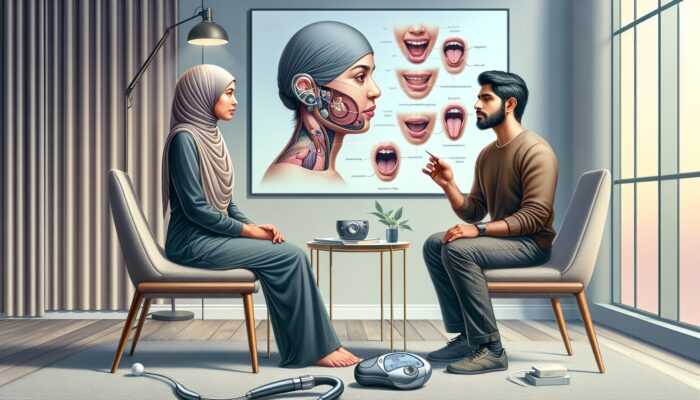
Categories
Health & Wellness Student Support

Hearing Loss at School: Essential Success Tips for Students

Last Updated on 31/01/2026 by Admin

In-Depth Exploration of Hearing Loss in Educational Settings

What are the main factors leading to hearing loss and what effects do they have on students?

Hearing loss in educational environments can stem from a variety of sources, including genetic factors, prolonged exposure to loud noises, ear infections, and natural age-related changes. Each of these conditions can significantly disrupt a student’s ability to engage fully in their educational journey. They may experience challenges in participating in discussions, comprehending instructions, and forming social bonds with their classmates. The importance of early diagnosis cannot be emphasised enough, as it facilitates timely interventions that enhance academic engagement and overall mental health. Understanding the diverse causes of hearing loss equips educators with the tools needed to provide adequate support for their students.

What early warning signs of hearing loss should educators be vigilant about?

Early detection of hearing loss in students is crucial for ensuring timely and effective interventions. Educators should be aware of several observable signs that may indicate potential hearing difficulties:

  • Frequently asking for repetition or clarification from teachers or peers
  • Challenges in following instructions during collaborative tasks
  • Difficulty hearing conversations in settings with background noise
  • Turning their head to one side to better capture sounds
  • Exhibiting inattentiveness or distraction during lessons
  • Demonstrating frustration or withdrawal in social situations
  • Lower academic performance than what their abilities would suggest

Recognising these indicators empowers educators and parents to cultivate more inclusive learning environments that adequately address the challenges faced by students with hearing difficulties.

What process should be followed for an initial evaluation of hearing difficulties?

The initial evaluation of hearing challenges can be conducted through straightforward and universal methods that do not require specialized equipment. Begin by observing the child in classroom settings to detect any issues related to hearing instructions or participating in discussions. Engage them in informal conversations to gauge their responsiveness. It is essential for teachers and parents to work together by sharing insights and discussing any concerns that arise. If there are indications of hearing issues, it is advisable to refer the child to an audiologist for further evaluation. This proactive stance ensures that appropriate support is deployed promptly, thereby facilitating the academic success of the student.

Proven Strategies for Supporting Hearing Loss in Educational Contexts

What effective methods can educators implement to support students with hearing loss?

Effective support for students experiencing hearing loss must be tailored to their unique needs. Communication strategies should include using clear and articulate speech, maintaining consistent eye contact, and integrating visual aids, such as charts and slides, during lessons. Furthermore, training in deaf education techniques can enhance teachers’ empathy and understanding of their students’ experiences. Establishing a buddy system can bolster peer support, enabling students to participate without feeling isolated. Regular feedback sessions involving students, educators, and parents can further improve communication and adaptability within the classroom environment.

What are the common challenges that students with hearing loss face in educational environments?

Students with hearing loss encounter a range of challenges, including social isolation, difficulties in following lessons, and obstacles to participating in group activities. Real-world examples often illustrate how these challenges unfold; for instance, a child might miss vital information during a lesson due to distracting background noise. By establishing effective routines that incorporate strategies such as preferential seating, leveraging technology, and encouraging peer support, schools can foster a learning environment that benefits all students, including those with hearing impairments.

What long-term advantages stem from consistent support for students with hearing loss?

Ongoing and consistent efforts to support students with hearing loss yield substantial long-term benefits. Tailored interventions, such as specialized teaching methods and the integration of assistive technologies, can significantly improve academic performance and social integration. Experts advocate for the integration of these strategies into daily educational practices, as they not only foster immediate enhancements but also help cultivate lifelong skills and resilience in students. By proactively addressing hearing loss, educators can contribute to creating equitable educational opportunities for all learners.

How does technology contribute to assisting students with hearing loss?

Technological advancements, such as hearing aids and communication applications, play a vital role in supporting students who experience hearing loss. These devices enhance auditory experiences in classroom settings, leading to improved comprehension and active participation. Selecting the appropriate technology involves considering factors such as ease of use, compatibility with existing classroom equipment, and individual preferences. It is essential for educators to receive training on effectively integrating these technologies into their teaching practices to ensure that students can derive maximum benefits and feel empowered in their learning environments.

Exploring the Impact of Hearing Loss on Learning and Academic Achievement

What educational barriers do students with hearing loss typically face?

Students with hearing loss face significant barriers in their educational pursuits, particularly in subjects that require strong language skills and social interaction. Key challenges include difficulties comprehending spoken instructions, missing verbal cues from teachers, and struggling to communicate effectively with peers. These barriers can adversely affect students’ self-esteem and motivation levels. To address these challenges, educators should adopt adaptive strategies, such as employing visual supports, clearly articulating instructions, and fostering a supportive classroom atmosphere. Implementing these strategies can markedly enhance focus and engagement among students with hearing loss.

What strategies can educators utilize to improve focus among students with hearing loss?

Maintaining focus during lessons can be particularly challenging for students with hearing loss. Practical methods to enhance concentration include incorporating visual aids, breaking lessons into manageable segments, and including hands-on activities that encourage engagement. Minimising distractions by seating students with hearing loss in quieter areas of the classroom can also be beneficial. Encouraging the use of note-taking tools and technology, such as captioning software, aids students in tracking and retaining information effectively. These strategies create an inclusive learning environment that accommodates diverse needs and enhances overall comprehension.

How do peer interactions affect students with hearing loss?

Peer interactions are essential for students’ social and emotional development. However, students with hearing loss may face feelings of isolation in group settings. To mitigate this, educators can modify group activities to ensure that all students feel included and valued. Strategies such as assigning roles during group work that leverage each student’s strengths, including those with hearing difficulties, can be particularly effective. Encouraging collaborative projects that require communication and teamwork not only fosters academic skills but also helps build social connections, alleviating feelings of loneliness and exclusion.

What advantages do assistive listening devices offer in educational settings?

Assistive listening devices, including hearing aids and FM systems, significantly enhance sound perception within classrooms. These technologies facilitate better understanding, increased participation, and improved overall academic performance for students with hearing loss. By delivering clearer audio directly to the student’s ear, these devices reduce background noise and distractions. Teachers should receive training on how to effectively use these devices in their classrooms to ensure that all students can follow lessons and engage in discussions seamlessly.

What are the long-term educational outcomes for students experiencing hearing loss?

Hearing loss can have lasting effects on students’ academic achievements and career opportunities. Those who receive early intervention and consistent support often demonstrate enhanced communication skills, increased self-esteem, and improved academic results. Establishing strategies for ongoing support, including regular check-ins and personalized learning plans, can help mitigate the impacts of hearing loss. By fostering lifelong learning success, educators can assist students with hearing loss in laying a solid foundation for their futures, ultimately paving the way for fulfilling careers and meaningful social integration.

Implementing Practical Strategies to Accommodate Hearing Loss in the Classroom

How can educators modify their teaching methods to assist students with hearing loss?

Modifying teaching methodologies is crucial to ensure equitable participation for students with hearing loss. Utilizing visual aids, such as charts, images, and written instructions, provides essential context for auditory information. Teachers should strive to articulate clearly, using facial expressions and gestures to complement spoken language. Incorporating interactive learning techniques, such as group discussions with visual supports, enhances engagement and diminishes misunderstandings. Regularly evaluating teaching approaches based on student feedback can assist educators in refining their practices to effectively meet diverse learning needs and boost comprehension.

What resources can enhance accessibility for students with hearing loss?

Providing essential resources that assist hearing is crucial for fostering a more responsive educational environment. Consider employing devices like sound amplification systems, captioning services, and visual alert systems to support students with hearing loss. Integrating these tools into the classroom can significantly improve communication and accessibility. Teachers should proactively identify and utilize appropriate resources to ensure that students with hearing difficulties feel included and supported in their learning environments, thereby promoting a culture of accessibility.

How can educators establish inclusive routines for students with hearing loss?

Daily practices that incorporate accommodations are fundamental to ensuring ongoing success for students with hearing loss. Establishing routines that emphasise clear communication, such as starting each lesson with a summary of key points, aids students in understanding and maintaining focus. Regularly scheduled breaks can also facilitate re-engagement and help prevent fatigue. By consistently applying these practices, educators contribute to a sense of comfort and predictability, which can enhance academic performance and overall student well-being.

Why is collaboration with specialists essential for supporting students with hearing loss?

Collaborating with specialists, such as audiologists and speech therapists, is crucial for crafting accommodations that effectively meet individual student needs. Effective collaboration involves sharing insights about students’ specific challenges and strengths, ensuring that strategies are both tailored and effective. Regular communication between teachers and specialists fosters a holistic approach to supporting students with hearing loss. This teamwork not only addresses individual needs but also enhances overall classroom dynamics, creating a more inclusive environment that encourages participation and engagement.

Advantages of Using Assistive Devices in Educational Settings

How do assistive devices enhance communication for students with hearing loss?

Assistive devices fundamentally improve clarity and interaction, significantly impacting students’ communication capabilities. By amplifying sounds and filtering out distracting background noise, these devices empower students to engage more confidently in educational activities. Consequently, students experience increased classroom participation, as they feel more secure in their ability to contribute to discussions and ask questions. This boost in confidence can lead to greater independence and a more active role in their learning journey, ultimately fostering a positive educational experience.

What key features should be taken into account when selecting assistive devices?

When selecting assistive devices, several critical features must be considered to guarantee effectiveness. Ease of use is paramount; devices should be user-friendly and adaptable to various environments. Compatibility with classroom technology, such as microphones and sound systems, is also essential for seamless integration. Additional considerations include battery life, durability, and comfort. By evaluating these aspects, educators and families can make informed choices that align with individual needs, thereby enhancing the daily application of these tools.

How can progress be tracked over time when using assistive devices?

Monitoring improvements resulting from the use of assistive devices is vital to sustaining long-term benefits. Regular assessments can help evaluate the effectiveness of the chosen devices, allowing for necessary adjustments based on feedback and evolving needs. Methods for tracking progress might include self-assessments, input from teachers, and observations of classroom participation. By fostering an adaptive approach, educators can ensure that students receive the essential support they require to thrive academically and socially over time.

Evidence-Based Strategies for Managing Hearing Loss in Educational Settings

What research-backed approaches are effective in managing hearing loss?

Implementing research-backed approaches to manage hearing loss can lead to considerable improvements in academic performance and emotional well-being. Strategies such as structured communication techniques, peer support systems, and assistive technologies have been shown to enhance learning outcomes across various educational contexts. By integrating these methods into daily routines, educators can create supportive environments that empower students with hearing loss while fostering greater resilience and self-confidence in their abilities.

What outcomes can be anticipated from the consistent application of supportive techniques?

Real-world examples of positive changes highlight the importance of consistently employing supportive techniques and devices. Schools that have embraced tailored strategies report increased engagement, enhanced academic performance, and improved social integration among students with hearing loss. These reliable methods not only bolster learning but also contribute to a more inclusive school culture, underscoring the critical role that continuous support plays in the educational success of students facing hearing challenges.

How can educators effectively integrate research findings into their practical applications?

Expert analysis on applying research findings to everyday scenarios indicates that flexibility is essential for ensuring strategies are effective across diverse contexts. By incorporating evidence-based techniques into regular teaching practices, educators can tailor their approaches to meet the varied needs of students with hearing loss. Ongoing professional development and collaboration among educators can facilitate this integration, ensuring that innovative strategies are effectively utilised to support all learners.

How Can Educators and Parents Collaborate for Student Success?

What roles do educators assume in supporting students with hearing loss?

Educators hold a crucial role in addressing the hearing needs of their students. This responsibility includes recognising signs of hearing loss and actively collaborating with parents and specialists to enhance the educational experience. Training teachers in effective communication strategies and inclusive practices empowers them to create supportive environments. Regular communication between educators and families fosters a cohesive approach, ensuring that students receive consistent support both at school and at home.

What strategies can families adopt to become more involved in their child’s education?

Family involvement is vital for reinforcing school efforts at home. Parents can actively engage in their child’s education by attending meetings, advocating for necessary accommodations, and maintaining open lines of communication with teachers. Educating families about hearing loss and its educational implications empowers them to support their children effectively. By fostering a home environment that aligns with school strategies, families contribute to a holistic approach to managing hearing challenges, ultimately enhancing overall student achievement.

How can collaborative networks be established to support students with hearing loss?

Creating partnerships among stakeholders—teachers, parents, audiologists, and support staff—is essential for addressing hearing issues comprehensively. Collaborative networks ensure that everyone involved in a student’s education is informed and equipped to provide appropriate support. Regular meetings can facilitate information sharing and strategy alignment. By fostering a coordinated effort, schools can cultivate a more inclusive culture that effectively addresses the needs of students with hearing loss, optimising their educational experiences.

Reliable Techniques for Managing Hearing Loss in Education

What effective daily management tactics can be implemented?

Practical tips for daily management focus on establishing habits that minimise strain and promote independence within educational settings. Encourage students to express their hearing needs openly to normalise discussions about hearing loss. Implementing routines that include regular breaks and check-ins can help prevent fatigue and enhance focus. Teachers should strive to create an inclusive atmosphere where students feel comfortable seeking assistance or clarification, ultimately fostering independence and self-advocacy.

How can personal progress be closely monitored for students with hearing loss?

Monitoring personal progress is crucial for students with hearing loss. Methods for self-assessment may involve keeping a journal of academic experiences, engaging in regular feedback sessions with teachers, and setting personal goals. Parents can further assist by discussing progress at home and encouraging their children to reflect on their learning. By fostering a culture of self-monitoring and reflection, students can actively engage in their educational journeys and adjust their strategies as required.

What strategies can help students adapt to various environments?

Students with hearing loss may encounter a wide range of environments throughout their day, necessitating flexible strategies for maintaining support. Encourage adaptability by teaching students how to identify and communicate their needs in different settings, whether at school, home, or during extracurricular activities. Regular discussions about varying environments can equip students with the skills to navigate diverse social contexts. By promoting versatility, educators can empower students to seek the support they need, regardless of the setting.

How can assistive technology be effectively utilized in classrooms?

The integration of assistive technology within educational environments is crucial for enhancing auditory access. Devices such as hearing aids, captioning systems, and communication apps assist students in following lessons and actively participating in discussions. Providing training for educators on the use of these tools ensures that all students can benefit from available resources. By cultivating an inclusive learning experience, assistive technology plays a pivotal role in reducing isolation and enhancing engagement for students with hearing loss.

What steps can be undertaken to build a robust support network for students with hearing loss?

Establishing alliances with teachers, peers, and family members is essential for addressing hearing challenges within the school environment. Strategies may include sharing individual needs, requesting accommodations, and joining support groups. Building a strong support network enhances understanding among peers and educators, promoting a collaborative atmosphere conducive to success. These alliances empower students to advocate for themselves and seek the assistance they require, ultimately contributing to their academic and social development.

How to Effectively Assess and Adjust Support Plans for Students with Hearing Loss?

How can the efficacy of support plans be evaluated?

Evaluating the efficacy of support plans involves regular assessments and reviews to ensure that strategies remain relevant and effective. Conducting periodic check-ins with students, parents, and educators allows for the identification of necessary adjustments. By fostering open dialogue regarding what works and what does not, schools can ensure that support remains aligned with individual needs, ultimately enhancing educational outcomes and student well-being.

What common modifications might be necessary for support plans?

Support plans may require updates based on evolving needs or circumstances. Common modifications could involve refining teaching methods, altering accommodations, or introducing new assistive technologies. Engaging in ongoing communication with students and parents helps pinpoint areas requiring attention. By maintaining flexibility and responsiveness to these needs, educators can better support students with hearing loss, ensuring their educational experiences are both effective and enriching.

What strategies ensure ongoing success for students with hearing loss?

Sustaining improvements in the educational journeys of students with hearing loss necessitates periodic evaluations and ongoing adjustments. Regular assessment processes help identify areas for growth and reinforce resilience in academic pursuits. By nurturing an environment that values adaptability and continuous improvement, educators can support students in successfully overcoming challenges, encouraging lifelong learning and personal development.

Commonly Asked Questions about Hearing Loss in Education

What is the most prevalent cause of hearing loss in students?

The most common causes of hearing loss in students include genetic predisposition, exposure to loud noises, and health issues such as ear infections. Early detection is essential for effective management of these conditions.

Are there specific indicators that parents should monitor?

Parents should be alert to signs including frequent requests for repetition, difficulties in following conversations, and fluctuations in academic performance. Early recognition of these signs can lead to timely interventions.

In what ways can teachers improve communication with students who have hearing loss?

Teachers can enhance communication by employing clear speech, incorporating <a href="https://www.earwaxremoval.net/test-hearing-aids-before-buying-key-tips-you-need/">visual aids</a>, and maintaining eye contact consistently. Regularly summarising key points also aids in ensuring comprehension.

What types of assistive devices are accessible for students?

Assistive devices such as hearing aids, FM systems, and captioning software are available to support students experiencing hearing loss. These tools significantly enhance auditory access in educational contexts.

How can parents aid their child’s learning at home?

Parents can bolster learning by fostering a supportive home environment, facilitating open communication with teachers, and advocating for necessary accommodations to enhance their child’s educational success.

What significance does technology hold in aiding students with hearing loss?

Technology is crucial in supporting students with hearing loss by providing tools that enhance communication, such as hearing aids and applications that facilitate improved engagement within the classroom.

How frequently should support plans be reviewed?

Support plans should undergo regular evaluations, ideally at least once per semester, to ensure they remain effective and address the changing needs of the student.

Can hearing loss influence social skills in students?

Indeed, hearing loss can affect social skills by resulting in isolation and communication difficulties. Encouraging peer interactions and group activities can help alleviate these challenges.

What are the long-term repercussions of untreated hearing loss?

Untreated hearing loss can lead to significant long-term effects, including diminished academic achievement, reduced socialisation, and limited career prospects. Early intervention is vital in preventing these outcomes.

How can teachers collaborate with specialists for enhanced support?

Teachers can work alongside specialists by sharing insights about students’ needs, seeking advice on effective strategies, and implementing recommendations to create a more inclusive learning environment.

Join the conversation on X today!

The post Handling Hearing Loss at School: Success Tips for Students appeared first on The Microsuction Ear Wax Removal Network.
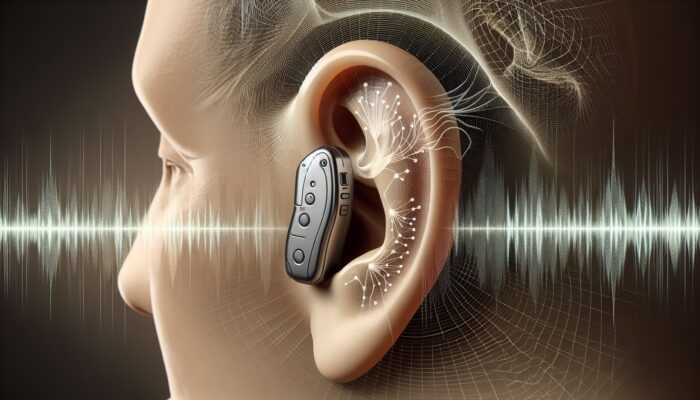
Categories
Health & Wellness Student Support

Handling Hearing Loss: Effective Tips for Students at School

Last Updated on 31/01/2026 by Admin

In-Depth Exploration of Hearing Loss in Educational Contexts

What are the leading causes of hearing loss and how does this condition affect students’ learning experiences?

Hearing loss in educational environments can stem from various factors, including genetic predisposition, exposure to high decibel levels, ear infections, and age-related auditory changes. These conditions significantly influence a student’s ability to engage in learning effectively. Hearing impairment can hinder their capacity to participate in classroom discussions, comprehend instructions, and socialize with peers, which are all essential components of the learning process. The importance of early detection and intervention cannot be overstated; identifying hearing loss promptly allows for supportive measures that can greatly enhance academic engagement and overall well-being. By understanding the complex nature of hearing loss, educators can tailor their support strategies to better assist affected students.

What key indicators of hearing loss should educators identify early on?

Prompt recognition of hearing loss in students is vital for facilitating timely and effective interventions. Here are several observable signs that may indicate hearing difficulties:

  • Frequent requests for repetition or clarification of instructions
  • Challenges in following directions during group activities
  • Difficulty hearing discussions in noisy settings
  • Turning their head to one side to catch sounds better
  • Inattention or distraction throughout lessons
  • Signs of frustration or withdrawal in social situations
  • Academic performance that is lower than expected based on potential

Identifying these signs enables educators and parents to create more inclusive learning environments that effectively support students encountering hearing challenges.

What are the essential steps for conducting an initial assessment of hearing challenges in students?

The initial assessment of hearing challenges can be successfully conducted using straightforward, universal methods that require no specialised equipment. Begin by observing the child during classroom activities to identify any difficulties they may have in hearing instructions or engaging in discussions. Casual conversations can also be beneficial for assessing their responsiveness. Collaboration between teachers and parents is essential; sharing observations and discussing concerns can lead to more effective support. If hearing issues are suspected, it is advisable to refer the student to an audiologist. This proactive strategy ensures that necessary support is implemented in a timely manner, thereby facilitating the academic success of students.

Expert Strategies for Effectively Managing Hearing Loss in Educational Settings

What are the most effective practices for supporting students experiencing hearing loss?

Support for students with hearing loss should be tailored to their unique needs. Effective communication strategies include using clear speech, maintaining eye contact, and integrating visual aids such as charts or slides during lessons. Furthermore, teachers can benefit from training in deaf education techniques, which foster empathy and a deeper understanding of the challenges faced by these students. Implementing a buddy system can further enhance peer support, encouraging students to engage without feelings of isolation. Regular feedback sessions involving students, teachers, and parents can also improve communication and adaptability within classroom dynamics.

What are the common challenges that students with hearing loss face in educational environments?

Students with hearing loss encounter a range of obstacles, including feelings of social isolation, difficulties in comprehending lessons, and challenges in participating in collaborative activities. Real-world scenarios often exemplify how these challenges manifest; for instance, a child may miss crucial information during a lesson due to background noise or may struggle to engage with peers during group tasks. By establishing effective routines that incorporate strategies such as preferential seating, the use of assistive technology, and promoting peer support, educational institutions can create a learning environment that accommodates all students, including those with hearing impairments.

What long-term advantages arise from consistent interventions for hearing loss?

Consistent and sustained efforts to support students with hearing loss yield significant long-term benefits. Tailored interventions, which may include specialised teaching methods and the integration of assistive technologies, can lead to enhanced academic performance and improved social integration. Experts recommend that schools embed these strategies into daily practices, as they not only facilitate immediate benefits but also nurture lifelong skills and resilience in students. By proactively addressing hearing loss, educators can help pave the way for equitable educational opportunities for all learners.

How does technology contribute to supporting students with hearing loss?

Advancements in technology, including hearing aids and communication applications, are essential in supporting students with hearing loss. These devices improve auditory experiences within the classroom, which in turn enhances comprehension and participation. When selecting appropriate technology, factors such as ease of use, compatibility with existing classroom equipment, and personal preferences must be considered. It is vital for educators to receive training on how to effectively integrate these technologies into their teaching practices to ensure students gain maximum benefits and feel empowered in their learning environments.

Understanding the Impact of Hearing Loss on Learning and Academic Achievement

What are the primary educational barriers faced by students with hearing loss?

Students with hearing loss face significant educational barriers, particularly in subjects that require strong language skills and social interaction. Key challenges include grasping spoken instructions, missing verbal cues from teachers, and experiencing difficulties in communicating with peers. These barriers can negatively influence self-esteem and motivation levels. To counteract these issues, educators should adopt adaptive techniques, such as incorporating visual supports, articulating instructions clearly, and fostering a supportive classroom atmosphere. Such strategies can greatly enhance focus and engagement among students with hearing loss.

What strategies can educators implement to enhance focus for students experiencing hearing loss?

Maintaining attention during lessons can be particularly demanding for students with hearing loss. Practical methods to enhance focus include the use of visual aids, breaking lessons into manageable segments, and incorporating hands-on activities that encourage engagement. Minimising distractions by seating students with hearing loss in quieter areas of the classroom can also be beneficial. Encouraging the use of note-taking tools and technology, such as captioning software, can aid students in tracking and retaining information. These strategies create an inclusive learning environment that accommodates diverse needs.

How do peer interactions impact students with hearing loss?

Peer interactions play a crucial role in the social and emotional development of students. Nevertheless, students with hearing loss may experience feelings of isolation in group settings. To mitigate this, educators can adapt group activities to ensure that all students feel included and valued. Strategies such as assigning roles in group work that play to each student’s strengths, including those with hearing difficulties, can be highly effective. Moreover, encouraging collaborative projects that require communication and teamwork fosters not only academic skills but also social connections, helping to alleviate feelings of loneliness and exclusion.

What benefits do assistive listening devices provide in educational contexts?

Assistive listening devices, such as hearing aids and FM systems, significantly enhance sound perception in classrooms. These technologies facilitate improved understanding, greater participation, and overall better academic performance for students with hearing loss. By delivering clearer audio directly to the student’s ear, these devices reduce background noise and distractions. Teachers should receive comprehensive training on how to effectively utilise these devices within their classrooms to ensure that all students can follow lessons and engage in discussions seamlessly.

What are the long-term educational outcomes for students with hearing loss?

Hearing loss can have lasting effects on academic achievement and future career opportunities. Students who receive early intervention and consistent support often exhibit enhanced communication skills, increased self-esteem, and improved academic results. Establishing strategies for ongoing support, including regular check-ins and personalised learning plans, can help mitigate the impacts of hearing loss. By promoting lifelong learning success, educators can assist students with hearing loss in building a solid foundation for their futures, ultimately paving the way for fulfilling careers and social integration.

Practical Approaches to Accommodating Hearing Loss in Classroom Settings

How can educators modify their teaching methods for students with hearing loss?

Modifying teaching methods is essential to ensure equitable participation for students with hearing loss. Utilising visual aids, such as charts, images, and written instructions, provides critical context for auditory information. Teachers should strive to articulate their speech clearly, using facial expressions and gestures to enhance spoken language. Implementing interactive learning techniques, such as group discussions with visual supports, can significantly boost engagement and reduce misunderstandings. Regularly evaluating teaching approaches based on student feedback allows for refinement of practices to meet diverse learning needs and enhance comprehension.

What tools can enhance accessibility for students experiencing hearing loss?

Providing essential tools that assist with hearing is critical for creating a more responsive educational environment. Consider employing devices like sound amplification systems, captioning services, and visual alert systems to support students with hearing loss. Integrating these tools into the classroom can substantially enhance communication and accessibility. Teachers should proactively identify and utilise appropriate resources to ensure that students with hearing difficulties feel included and supported in their learning environments, fostering a culture of accessibility.

How can educators create inclusive routines for students with hearing loss?

Daily practices that incorporate accommodations are fundamental to supporting the ongoing success of students with hearing loss. Establishing routines that prioritise clear communication, such as starting each lesson with a summary of key points, aids students in understanding and maintaining focus. Regularly scheduled breaks can also facilitate re-engagement and prevent fatigue. By consistently applying these practices, educators contribute to a sense of comfort and predictability, which can enhance academic performance and overall student well-being.

Why is collaboration with specialists vital for supporting students with hearing loss?

Partnering with specialists, such as audiologists and speech therapists, is crucial for customising accommodations that effectively meet individual needs. Effective collaboration involves sharing insights about students’ specific challenges and strengths, ensuring that strategies are both tailored and effective. Regular communication between teachers and specialists promotes a holistic approach to supporting students with hearing loss. This teamwork not only addresses individual needs but also enhances overall classroom dynamics, creating a more inclusive environment that encourages participation and engagement.

What Are the Advantages of Employing Assistive Devices in Education?

How do assistive devices enhance communication for students with hearing loss?

Assistive devices play a significant role in enhancing clarity and interaction, directly impacting students’ communication abilities. By amplifying sounds and filtering out background noise, these devices enable students to engage more confidently in educational activities. The result is an increase in classroom participation, as students feel more secure in their capacity to contribute to discussions and ask questions. This boost in confidence can lead to greater independence and a more active role in their learning journey, ultimately fostering a positive educational experience.

What essential features should be considered when choosing assistive devices?

When selecting assistive devices, several critical features must be taken into account to ensure their effectiveness. Ease of use is paramount; devices should be user-friendly and adaptable to various environments. Compatibility with classroom technology, such as microphones and sound systems, is also essential for seamless integration. Other considerations include battery life, durability, and comfort. By evaluating these aspects, educators and families can make informed choices that cater to individual needs, enhancing the daily application of these tools.

How can progress be monitored over time when using assistive devices?

Monitoring improvements resulting from the use of assistive devices is vital for sustaining long-term benefits. Regular assessments can help gauge the effectiveness of the chosen devices, allowing for adjustments based on feedback and changing needs. Methods for tracking progress may include self-assessments, feedback from teachers, and observations of classroom participation. By fostering an adaptive approach, educators can ensure that students receive the essential support they need to thrive academically and socially over time.

Research-Driven Insights on Managing Hearing Loss in Educational Settings

What evidence-based strategies are effective for addressing hearing loss?

Implementing evidence-based strategies for managing hearing loss can lead to significant improvements in academic performance and emotional well-being. Approaches such as structured communication techniques, peer support systems, and the use of assistive technologies have been shown to enhance learning outcomes across various educational contexts. By incorporating these methods into daily routines, educators can cultivate supportive environments that empower students with hearing loss while fostering greater resilience and confidence in their abilities.

What outcomes can be expected from the consistent application of supportive techniques?

Real-world examples of positive changes highlight the importance of consistently employing supportive techniques and devices. Schools that have implemented tailored strategies report higher levels of engagement, improved academic performance, and greater social integration among students with hearing loss. These dependable methods not only enhance learning but also contribute to a more inclusive school culture, underscoring the critical role that consistent support plays in the educational success of students facing hearing challenges.

How can educators effectively integrate research findings into practical applications?

Expert analysis on applying research findings to everyday scenarios reveals that adaptability is crucial for ensuring strategies are effective across various contexts. By infusing evidence-based techniques into regular teaching practices, educators can tailor their approaches to meet the diverse needs of students with hearing loss. Continuous professional development and collaboration among educators can facilitate this integration, ensuring that innovative strategies are effectively utilised to support all learners.

How Can Educators and Parents Collaborate Effectively?

What roles do educators play in supporting students with hearing loss?

Educators play a crucial role in addressing the hearing needs of their students. This responsibility encompasses recognising signs of hearing loss and actively collaborating with parents and specialists to enhance the learning experience. Training teachers in effective communication strategies and inclusive practices empowers them to create nurturing environments. Ongoing communication between educators and families fosters a cohesive approach, ensuring that students receive consistent support both in school and at home.

What strategies can families adopt to become more involved in their child’s education?

Family involvement is essential for reinforcing school efforts at home. Parents can play an active role in their child’s education by attending meetings, advocating for necessary accommodations, and maintaining open lines of communication with teachers. Educating families about hearing loss and its impact on learning can empower them to support their children effectively. By cultivating a home environment that aligns with school strategies, families contribute to a holistic approach to managing hearing challenges, ultimately enhancing overall student success.

How can collaborative networks be established to support students with hearing loss?

Creating partnerships among stakeholders—teachers, parents, audiologists, and support staff—is vital for comprehensively addressing hearing issues. Collaborative networks ensure that everyone involved in the student’s education is informed and equipped to provide appropriate support. Regular meetings can facilitate information sharing and strategy alignment. By fostering a coordinated effort, schools can create a more inclusive culture that effectively addresses the needs of students with hearing loss, optimising their educational experiences.

Reliable Strategies for Managing Hearing Loss in Education

What effective daily management techniques can be implemented?

Practical tips for daily management focus on establishing habits that reduce strain and promote independence in educational settings. Encourage students to communicate their hearing needs openly, helping to normalise discussions around hearing loss. Implementing routines that incorporate regular breaks and check-ins can prevent fatigue and enhance focus. Teachers should strive to maintain an inclusive atmosphere where students feel comfortable asking for assistance or clarification, ultimately fostering independence and self-advocacy.

How can personal progress be monitored for students with hearing loss?

Tracking personal progress is essential for students with hearing loss. Self-assessment methods can include maintaining a journal of academic experiences, participating in regular feedback sessions with teachers, and setting personal goals. Parents can further assist by discussing progress at home and encouraging students to reflect on their learning. By establishing a culture of self-monitoring and reflection, students can actively engage in their educational journeys and adapt their strategies as needed.

What strategies can help students adapt to different environments?

Students with hearing loss may encounter diverse environments throughout their day, necessitating flexible strategies to maintain support. Encourage adaptability by teaching students to identify and communicate their needs in various settings, whether at school, home, or during extracurricular activities. Regular discussions about different environments can help students develop the skills to navigate various social contexts. By fostering versatility, educators can empower students to seek the support they need, regardless of the setting.

How can assistive technology be utilised effectively in classrooms?

The integration of assistive technology in educational environments is crucial for improving auditory access. Devices such as hearing aids, captioning systems, and communication apps assist students in following lessons and actively participating in discussions. Training educators on the use of these tools ensures that all students can benefit from the resources available. By fostering an inclusive learning experience, assistive technology plays a vital role in reducing isolation and enhancing engagement for students with hearing loss.

What steps can be taken to build a support network for students with hearing loss?

Creating alliances with teachers, peers, and family is essential for addressing hearing challenges at school. Strategies may include sharing individual needs, requesting accommodations, and joining support groups. Building a strong support network enhances understanding among peers and educators, promoting a collaborative atmosphere conducive to success. These alliances empower students to advocate for themselves and seek the assistance they need, ultimately contributing to their academic and social development.

How to Effectively Monitor and Adjust Support Plans for Students with Hearing Loss?

How can the effectiveness of support plans be evaluated?

Evaluating the effectiveness of support plans involves regular reviews and assessments to ensure that strategies remain relevant and effective. Conducting periodic check-ins with students, parents, and educators allows for the identification of necessary adjustments. By fostering an open dialogue about what works and what doesn’t, schools can ensure that support remains aligned with individual needs, ultimately enhancing educational outcomes and student well-being.

What common adjustments might be necessary for support plans?

Support plans may require updates based on changing needs or circumstances. Common adjustments might include refining teaching methods, modifying accommodations, or introducing new assistive technologies. Engaging in ongoing conversations with students and parents helps to pinpoint areas requiring attention. By remaining flexible and responsive to these needs, educators can better support students with hearing loss, ensuring that their educational experiences are both effective and enriching.

What strategies ensure ongoing success for students with hearing loss?

Sustaining improvements in the educational journeys of students with hearing loss necessitates periodic checks and ongoing adjustments. Regular evaluation processes help identify areas for growth and reinforce resilience in academic pursuits. By fostering an environment that values adaptability and continuous improvement, educators can support students in successfully navigating challenges, encouraging lifelong learning and personal development.

Frequently Asked Questions about Hearing Loss in Education

What is the most common cause of hearing loss in students?

The most prevalent causes of hearing loss in students include genetic factors, exposure to loud noises, and health issues such as ear infections. Early identification is crucial for effective management.

Are there specific signs parents should remain vigilant about?

Parents should be attentive to signs including frequent requests for repetition, challenges in following conversations, and fluctuations in academic performance. Recognising these signs early can facilitate timely interventions.

How can teachers improve communication with students who have hearing loss?

Teachers can enhance communication by employing clear speech, visual aids, and maintaining eye contact. Regularly summarising key points proves effective in ensuring comprehension.

What types of assistive devices are available for students?

Assistive devices such as hearing aids, FM systems, and captioning software are available to support students with hearing loss. These tools enhance auditory access in educational settings.

How can parents support their child’s learning at home?

Parents can reinforce learning by cultivating a supportive home environment, maintaining open communication with teachers, and advocating for necessary accommodations to help their child succeed.

What role does technology play in supporting students with hearing loss?

Technology plays a vital role in supporting students with hearing loss by providing tools that enhance communication, such as hearing aids and apps that facilitate better engagement in the classroom.

How frequently should support plans be reviewed?

Support plans should be reviewed regularly, ideally at least once per semester, to ensure they remain effective and address the evolving needs of the student.

Can hearing loss affect social skills in students?

Yes, hearing loss can adversely impact social skills by leading to isolation and communication challenges. Encouraging peer interactions and group activities can help mitigate these effects.

What are the long-term consequences of untreated hearing loss?

Untreated hearing loss can lead to significant long-term implications, including lower academic achievement, reduced socialisation, and limited career opportunities. Early intervention is key to preventing these outcomes.

How can teachers collaborate with specialists for improved support?

Teachers can collaborate with specialists by sharing insights about students’ needs, seeking advice on effective strategies, and implementing recommendations to cultivate a more inclusive learning environment.

Join the conversation on X today!

The post Handling Hearing Loss at School: Success Tips for Students appeared first on The Microsuction Ear Wax Removal Network.

The post Handling Hearing Loss at School: Success Tips for Students appeared first on Healthcare Marketing Service.

Categories
Health & Wellness Hearing Protection

Hearing Loss Prevention: Exciting Innovations Ahead

Last Updated on 29/01/2026 by Admin

Transformative Technologies Revolutionising Hearing Loss Prevention

How Are Pioneering Devices Being Developed to Safeguard Hearing?

The landscape of hearing loss prevention is experiencing a remarkable evolution, characterised by the emergence of state-of-the-art devices designed to protect auditory health. Innovators are committed to crafting personalised hearing protection solutions that leverage advanced technology. These devices include sensors that monitor noise levels and provide real-time feedback to users. By integrating connectivity features, these innovative tools can sync with smartphones, delivering detailed analytics about auditory exposure. For instance, a wearable hearing protection device can alert users when they enter potentially hazardous noise environments, encouraging immediate protective actions. This proactive approach fosters a culture of audiological awareness and enhances user acceptance in various settings, from workplaces to recreational activities.

While traditional hearing protection methods have demonstrated effectiveness, the focus is shifting towards more user-centric designs that prioritise comfort and practicality. By addressing common barriers to adoption, such as discomfort and ineffectiveness, manufacturers are creating solutions that individuals are more likely to wear regularly. Enhancing the user experience is vital for increasing compliance rates, making it a key area of focus for developers. Furthermore, marketing these devices as essential components of a health-conscious lifestyle can broaden their appeal, driving greater interest and uptake among the public.

Key Features of Next-Generation Hearing Protection Devices

The forthcoming generation of hearing protection devices will incorporate several essential features that ensure they effectively contribute to auditory wellness. These features will include cutting-edge sensors, sophisticated adaptive algorithms, and user-friendly interfaces. The synergy of these components enables more customised and responsive hearing protection strategies, ultimately providing users with significant benefits.

  • Advanced sound detection: Capable of distinguishing between harmful and safe sounds.
  • Adaptive noise cancellation: Automatically adjusts noise levels based on surrounding soundscapes.
  • Wearability: Designed for comfort and prolonged use in various environments.
  • Real-time feedback: Provides immediate notifications when noise levels exceed safe thresholds.
  • Data analytics: Tracks exposure patterns to educate users about their auditory health.
  • Customisable settings: Empowers users to tailor protection based on their specific preferences.

These features are set to not only enhance the effectiveness of hearing protection devices but also encourage continued usage, as users will feel more in control of their auditory health. The integration of emerging technologies can effectively marry scientific advancements with everyday practicality, making hearing protection more relevant and accessible for everyone.

Benefits of Integrated Hearing Protection Solutions

The combination of cutting-edge technology and traditional preventative measures can provide significant advantages in the realm of hearing loss prevention. Integrated solutions present a holistic approach, leveraging the strengths of each component to develop comprehensive protection strategies. A major advantage is the potential for increased user engagement. When individuals understand how technology can simplify their efforts to protect their hearing, they are more likely to adopt these solutions for the long term.

Accessibility is another critical consideration. By developing tools that cater to a diverse range of demographics, integrated solutions guarantee that everyone, irrespective of background or economic status, can access effective hearing protection. Additionally, this integration fosters collaboration across various sectors—healthcare professionals, technology innovators, and educational institutions—ultimately leading to shared resources and expertise that can amplify outreach and efficacy. The future of hearing loss prevention hinges on the creation of tools that are not only groundbreaking but also user-friendly and inclusive.

What Role Does AI Play in Enhancing Hearing Protection?

Artificial intelligence (AI) is set to transform the field of hearing loss prevention by offering personalised strategies that adapt to individual needs and environments. By analysing data collected from users, AI systems can predict potential auditory hazards and recommend tailored protective measures. For instance, smart hearing protection devices equipped with AI can learn from users’ behaviours, adjusting their settings based on typical noise exposure patterns and lifestyle choices.

Moreover, AI can enhance user compliance by providing insights regarding the effectiveness of their protective strategies. If a user frequently encounters high noise levels without adequate protection, the system can issue alerts or reminders, encouraging proactive behaviours. This adaptive approach not only increases the efficiency of hearing protection efforts but also fosters a better understanding of individual auditory health. As AI technology evolves, its incorporation into hearing protection will likely lead to more intuitive and effective solutions, fundamentally changing how individuals safeguard their hearing across different environments.

How Will Technology Propel Enhanced Prevention Initiatives?

What Innovative Developments Are on the Horizon?

The next wave of innovations in auditory safety is poised to address significant challenges associated with hearing loss prevention. Anticipate the arrival of groundbreaking designs that feature smart wearables capable of not only providing protection but also continuously monitoring environmental noise levels. These devices will harness advancements in materials science to produce lighter, more comfortable options that still deliver robust protective capabilities.

Additionally, technology is expected to unveil solutions that enhance user interaction, including augmented reality (AR) applications that offer real-time visual feedback on ambient noise levels. By combining auditory protection with engaging experiences, users will be more inclined to incorporate these tools into their daily routines, transforming the perception of hearing protection from a chore into a proactive lifestyle choice.

The trend towards sustainability will also shape future innovations. Manufacturers are becoming increasingly aware of the environmental impacts of their products. Expect to see hearing protection devices made from biodegradable materials and designed for durability to minimise waste. As technology progresses, the focus will shift towards creating solutions that not only protect hearing but also respect the planet.

What Strategies Ensure Effective Implementation of New Technologies?

To ensure the successful introduction of advanced hearing protection technologies, specific strategies must be prioritised. The foremost strategy is validating these tools through extensive user testing. Involving potential users throughout the development phase can yield invaluable insights, guiding design choices that more effectively meet their needs and preferences. Establishing feedback loops will be crucial, enabling manufacturers to refine products based on user experiences.

Moreover, collaborating with healthcare providers and audiologists can facilitate the seamless integration of these technologies into existing healthcare systems. By forming partnerships, developers can promote emerging technologies alongside traditional preventative methods, thereby enhancing overall efficacy. Comprehensive training initiatives for end-users will also be essential, providing individuals with the skills and knowledge necessary to maximise the benefits of new tools.

Equally important is launching educational campaigns to raise awareness about the importance of hearing protection. Through strategic marketing and outreach, manufacturers can engage diverse communities, fostering understanding and acceptance of new technologies. By embedding these strategies into the implementation process, the potential for widespread adoption and ongoing protective initiatives will significantly increase.

What Challenges Exist in the Adoption of New Technologies?

Despite the significant promise that advancements in hearing loss prevention technology hold, several challenges remain in the adoption process. A substantial hurdle is the perception of discomfort that many people associate with traditional hearing protection devices. Many users have encountered issues related to fit and usability, leading to reluctance in consistently wearing protective gear. Overcoming this challenge requires a concentrated focus on user-centred design, ensuring that new devices prioritise comfort and practicality.

Another obstacle is the integration of technology into existing health and safety regulations. Often, there is a lag between technological advancements and regulatory acceptance, which can delay the deployment of innovative solutions. Engaging with policymakers and industry leaders to advocate for the adoption of new standards will be vital in facilitating smoother integration of advanced hearing protection tools.

Additionally, addressing the knowledge gap surrounding the significance of hearing loss prevention is critical. Many individuals remain unaware of the risks associated with loud environments, resulting in underutilisation of protective measures. Comprehensive educational programmes targeting diverse demographics can play a crucial role in overcoming this challenge by fostering a culture of audiological awareness and vigilance.

How to Measure the Effectiveness of Emerging Technologies?

Evaluating the success of technological advancements in hearing loss prevention is essential for ensuring ongoing improvement. Employing data-driven metrics such as user compliance rates, feedback mechanisms, and assessments of environmental noise can provide valuable insights into the effectiveness of new tools. By establishing clear benchmarks, developers can ascertain whether their products meet intended objectives while identifying areas for enhancement.

Conducting longitudinal studies will assist in tracking the long-term effects of these technologies on users’ auditory health. By monitoring participants over extended periods, researchers can assess the overall impact of advanced hearing protection on reducing risks and promoting healthier auditory practices. Engaging in community-driven research initiatives can also bolster collaboration and provide diverse perspectives, enriching the understanding of effectiveness.

Furthermore, prioritising feedback loops allows users to share their experiences and suggestions for improvements directly with manufacturers. This continuous dialogue ensures that products remain relevant and responsive to user needs. By adopting a proactive approach to evaluating effectiveness, the hearing loss prevention sector can continue to innovate and achieve meaningful advancements in promoting auditory health.

What Is the Role of User Education and Training?

Equipping individuals to effectively utilise emerging hearing protection technologies is paramount for achieving optimal outcomes. Comprehensive educational strategies must be tailored to address the diverse backgrounds and experiences of users. By providing clear, accessible information regarding the importance of hearing loss prevention, individuals will feel empowered to make informed decisions about their auditory health.

Interactive training sessions can deepen understanding, allowing users to engage with new technologies practically. These sessions can include demonstrations, workshops, and feedback discussions that foster familiarity with devices and their functionalities. Additionally, providing online resources—such as instructional videos and user manuals—will enable users to access information conveniently, promoting long-term adherence to preventative measures.

Addressing misconceptions about hearing protection is also vital. Many individuals may harbour doubts about the effectiveness of new technologies or feel apprehensive about their use. By offering evidence-based information and real-world success stories, educational initiatives can dispel myths and build confidence among users. Ultimately, prioritising user education and training will be instrumental in driving the adoption of innovative hearing loss prevention methods.

Expert Insights on the Future of Hearing Loss Prevention

What Advanced Techniques Are Recommended by Professionals?

Experts advocate the integration of advanced techniques in hearing loss prevention to ensure optimal results. For instance, customised fitting of hearing protection devices can significantly enhance their efficacy. By employing advanced imaging technologies, specialists can create tailored solutions that offer maximum comfort and protection. This personalised approach allows users to feel more confident in their hearing protection choices, ultimately boosting adherence rates.

Additionally, professionals suggest incorporating biofeedback mechanisms into hearing protection devices. These systems can monitor physiological responses to noise exposure, providing users with insights regarding their stress levels and auditory strain. By establishing a connection between auditory health and overall well-being, individuals may be more motivated to consistently adopt preventive measures.

Successful applications of these techniques can be observed in workplace programs where companies implement personalised fitting sessions and provide ongoing education about auditory risks. In such environments, employees demonstrate improved adherence to hearing protection protocols, resulting in a reduction in instances of hearing impairment. By aligning professional recommendations with evidence-based practices, organisations can develop strategies that foster sustained auditory health.

Why Is Early Intervention in Hearing Loss Prevention Important?

Emphasising early interventions in hearing loss prevention is crucial for minimising long-term auditory risks. Experts assert that timely strategies, such as regular hearing assessments and immediate protective measures, can significantly lower the likelihood of permanent damage. Early detection facilitates prompt corrective actions, making it easier to avoid more complex issues in the future.

Moreover, proactive measures foster a culture of awareness and responsibility regarding auditory health. When individuals understand the significance of protecting their hearing from an early age, they are more likely to adopt healthy habits and seek preventive care throughout their lives. Ultimately, focusing on early interventions lays a solid foundation for promoting better auditory outcomes and encourages a shift towards a proactive mindset in hearing loss prevention.

What Long-Term Strategies Are Encouraged?

Experts recommend ongoing approaches to hearing loss prevention that prioritise resilience and adaptability. One such strategy involves regular monitoring of auditory health through scheduled screenings, enabling individuals to stay informed about their hearing status and take necessary actions. These routine assessments help cultivate a habit of vigilance regarding auditory well-being.

Furthermore, fostering community engagement can serve as a long-term strategy for hearing loss prevention. By involving local organisations and healthcare providers, communities can implement outreach programmes that raise awareness and promote preventive measures. This collaborative effort enhances access to protective resources and cultivates an environment where auditory health is prioritised.

Finally, incorporating technology into long-term strategies can enhance their effectiveness. For example, utilising apps that monitor noise exposure or send reminders for protective actions can reinforce positive behaviours over time. By integrating these elements, experts underscore the importance of creating comprehensive strategies that adapt to evolving needs, ensuring sustained protection against hearing loss.

What Is the Role of Education in Prevention?

What Educational Methods Will Be Most Effective?

Effective educational techniques aimed at increasing awareness about auditory risks must be engaging and interactive. One promising approach is gamification, which integrates game-like elements into educational programmes. By making learning enjoyable and competitive, individuals are more likely to participate, retain information, and adopt preventive behaviours.

Another effective method involves using visual storytelling to illustrate the consequences of hearing loss and the importance of protection. By sharing real-life experiences through videos, testimonials, and case studies, educational initiatives can connect with audiences on an emotional level. This connection can motivate individuals to take action to safeguard their auditory health.

Additionally, leveraging technology through online platforms can broaden the reach of educational efforts. By creating accessible resources such as webinars, podcasts, and instructional videos, educators can connect with diverse audiences and provide valuable information. Emphasising flexible learning options ensures that individuals can engage with content at their own pace, accommodating varying learning styles and schedules.

What Are the Core Principles of Awareness Programs?

Essential components of educational initiatives focused on hearing loss prevention must instil habits that support long-term auditory health. Programmes must prioritise clear messaging regarding the risks associated with noise exposure and the significance of protective measures. By providing straightforward, actionable information, individuals can better understand their role in preserving their hearing.

Another fundamental principle is community involvement. Engaging local organisations, schools, and healthcare providers can amplify the impact of awareness programmes. When community members collaborate, they can pool resources and develop tailored strategies that resonate with specific demographics, ensuring that education reaches those who need it most.

Furthermore, ongoing support and resources are essential to ensure that educational initiatives remain relevant. By establishing follow-up programmes that offer updates on new technologies and best practices, individuals can stay informed and engaged with their auditory health. Here is a bullet list of strategies for program success:

  • Engaging narratives: Create relatable stories that resonate with audiences.
  • Community partnerships: Collaborate with local organisations to extend reach.
  • Interactive workshops: Offer hands-on experiences that promote active participation.
  • Regular updates: Keep programmes current with new information and developments.

These foundational principles provide a robust framework for successful awareness programmes, fostering a culture of auditory health that transcends generations.

How to Integrate Education into Daily Routines?

Incorporating education into daily activities can significantly enhance the effectiveness of hearing loss prevention initiatives. By embedding simple protective practices into routine tasks, individuals are more likely to adopt and sustain these behaviours over time. For instance, encouraging users to wear hearing protection during common activities like mowing the lawn or attending concerts fosters a habit of vigilance.

Moreover, integrating educational messages into popular media channels can seamlessly raise awareness. Partnering with influencers or incorporating hearing health themes into existing content broadens reach while capturing the attention of diverse audiences. By normalising discussions around hearing protection, these messages can become a natural part of everyday conversations.

Additionally, leveraging technology can further streamline integration. Mobile applications that provide reminders for protective measures or track noise exposure can facilitate prioritising auditory health. By nurturing a supportive environment where preventive practices are woven into daily routines, individuals can develop lifelong habits that safeguard their hearing.

Research-Backed Advantages of the Future of Hearing Loss Prevention

What Key Findings Are Emerging from Ongoing Studies?

Recent studies highlight the effectiveness of innovative preventive measures in reducing the incidence of hearing loss. For example, research indicates that individuals who engage with personalised protective strategies experience markedly lower exposure to harmful noise levels compared to those relying on standard devices. The data implies that tailored approaches enhance user compliance, leading to improved outcomes in preserving auditory health.

Moreover, ongoing research is revealing the potential of integrating technology into hearing loss prevention. Evidence shows that users employing wearable devices with real-time feedback mechanisms substantially reduce their risk of noise-induced hearing damage. By leveraging data-driven insights, these individuals can make informed decisions regarding their auditory health and adopt proactive measures.

As research continues to progress, it provides invaluable support for the development of new protective technologies. By showcasing successful case studies and effective practices, ongoing studies can inform the broader community about the potential benefits of innovative methods, ultimately fostering a culture of awareness and proactive engagement in auditory health.

How Evidence Shapes Effective Practices?

Evidence-based practices are crucial in developing strategies to combat hearing loss effectively. Experts emphasise the importance of incorporating research findings into the creation of new technologies and preventive measures. For instance, thorough examinations of user feedback can guide design modifications that enhance functionality and comfort, thereby fostering higher compliance rates.

Additionally, longitudinal studies monitoring the effectiveness of various protective measures yield important insights into long-term outcomes. By analysing data collected over extended periods, researchers can identify best practices and emerging trends, ensuring that new solutions align with evolving needs. This iterative process of refining strategies based on empirical evidence facilitates a more customised approach to hearing loss prevention.

Furthermore, collaborating with professionals in the field enhances the relevance of research findings. Partnering with audiologists and healthcare providers ensures that insights translate into actionable strategies that effectively address the challenges of hearing loss prevention. By prioritising evidence in practice, stakeholders can develop innovative solutions that resonate with users and promote sustained engagement in auditory health.

What Are the Practical Applications of Data?

Translating research into practical applications is vital for enhancing hearing loss prevention efforts. For instance, data-driven insights can inform the development of user-friendly tools that monitor exposure to harmful noise levels. By offering real-time feedback, these tools empower users to make informed decisions about their auditory health, fostering a culture of awareness and responsibility.

Moreover, real-world applications of research findings can serve as models for effective practices. For example, workplace initiatives that incorporate evidence-based protective strategies can demonstrate the tangible benefits of proactive measures. By sharing success stories and case studies, stakeholders can encourage others to adopt similar strategies, creating a ripple effect that promotes broader acceptance of innovative solutions.

Furthermore, utilising technology to analyse user data can enhance engagement and compliance. For example, mobile applications that deliver personalised insights about noise exposure and protective actions can motivate users to prioritise their auditory health. By grounding these applications in research, developers can ensure that their offerings resonate with users and address real-world needs. In summary, practical applications of data are essential for driving progress in hearing loss prevention.

What Benefits Do Emerging Approaches Offer?

How Do These Methods Enhance Outcomes?

Innovative methods for hearing loss prevention provide numerous advantages that improve overall outcomes. A significant benefit is the customisation of protective measures, allowing individuals to tailor solutions to their specific needs. By incorporating user feedback and preferences, emerging approaches foster a sense of ownership over auditory health, leading to increased compliance and enhanced results.

Additionally, advancements in technology facilitate the development of devices that offer real-time monitoring and feedback. These features enable users to actively engage with their hearing protection, making informed decisions based on their surroundings. As individuals become more aware of the risks associated with noise exposure, they are likely to adopt healthier habits that further mitigate risks.

Finally, integrating education and awareness initiatives into emerging strategies ensures that users are equipped with the knowledge necessary to effectively protect their hearing. By cultivating a culture of vigilance, these methods promote ongoing engagement in hearing health, ultimately yielding long-term benefits for individuals and communities alike.

What Are the Long-Term Advantages of Advanced Methods?

The long-term benefits of enhanced hearing loss prevention methods are multifaceted. Primarily, personalised strategies lead to sustained protection and a decrease in the incidence of noise-induced damage. When individuals actively engage with tailored solutions, they are more likely to adhere to protective practices, resulting in a significant reduction in the risk of hearing impairment over time.

Moreover, embedding educational components into preventive efforts fosters a continuous cycle of awareness. As individuals become more informed about auditory health, they are empowered to make proactive choices that benefit both themselves and their communities. This ongoing commitment to hearing protection cultivates a culture where prevention is prioritised, leading to healthier outcomes for future generations.

Additionally, advanced prevention methods can translate into economic benefits, as reducing hearing impairment can lower healthcare costs related to treatment and rehabilitation. By investing in innovative technologies and strategies, society can reap substantial long-term rewards that extend beyond individual health, fostering a healthier, more productive population.

How to Measure Success Factors in Hearing Loss Prevention?

Identifying indicators of effective strategies is crucial for guaranteeing continual progress in hearing loss prevention efforts. Key success factors include user compliance rates, feedback mechanisms, and the overall reduction of noise-induced hearing damage. By systematically evaluating these metrics, stakeholders can refine their approaches and tailor interventions to meet the specific needs of diverse populations.

Establishing benchmarks based on empirical evidence provides valuable insights into the effectiveness of various protective measures. By tracking long-term outcomes and user engagement, developers can pinpoint best practices that resonate with users and promote sustained adherence to hearing protection strategies.

Finally, fostering a culture of accountability among users can enhance measurement efforts. Encouraging individuals to actively track their protective measures and noise exposure can lead to a greater understanding of their role in safeguarding their auditory health. By creating a robust framework for measuring success factors, stakeholders can drive meaningful change in hearing loss prevention initiatives.

What Are the Economic Benefits of Emerging Approaches?

Exploring the financial implications of innovative hearing loss prevention methods reveals significant economic advantages for individuals and communities. Firstly, effective preventative measures can lead to considerable healthcare cost savings, as early intervention reduces the need for expensive treatments and rehabilitation associated with hearing impairment. By investing in preventative technologies, societies can alleviate the long-term economic burden of hearing loss.

Moreover, emerging approaches can enhance resource efficiency, contributing to broader accessibility and sustainability in hearing health initiatives. For instance, developing affordable, user-friendly protective devices ensures that individuals from diverse backgrounds can access essential resources without encountering financial barriers. This inclusivity fosters a more equitable landscape for auditory health, benefiting society as a whole.

Furthermore, organisations prioritising hearing loss prevention often observe increased productivity and reduced absenteeism among employees. By minimising the occurrence of hearing impairment, companies can cultivate a healthier workforce, ultimately translating to economic gains. As the significance of effective prevention becomes increasingly acknowledged, the economic benefits of emerging approaches in hearing loss prevention will become clearer and more pronounced.

How Can Hearing Loss Prevention Be Made Accessible?

What Barriers Must Be Overcome?

Identifying and addressing barriers to hearing loss prevention is essential for enhancing accessibility and encouraging widespread participation. A primary obstacle is the lack of awareness regarding the importance of hearing protection. Many individuals may not fully comprehend the risks associated with noise exposure or the preventive measures available. Comprehensive educational initiatives can help bridge this gap, ensuring that individuals are well-informed about their auditory health.

Another challenge is the perceived cost of hearing protection devices. Many people may believe that high-quality protective tools are prohibitively expensive, discouraging them from seeking solutions. By promoting affordable options alongside high-quality technologies, stakeholders can demonstrate that effective hearing protection is accessible to all individuals.

Additionally, cultural attitudes towards hearing loss and protection can influence participation. In certain communities, there may be stigmas attached to using hearing protection or seeking assistance for auditory concerns. Addressing these cultural perceptions through targeted outreach and education will be vital in creating an inclusive environment where individuals feel empowered to prioritise their hearing health.

What Strategies Foster Inclusive Design?

Creating user-friendly options for hearing loss prevention is paramount in ensuring accessibility for all individuals. Several design principles should be prioritised in developing these tools to enhance their approachability and effectiveness.

  • Comfort and wearability: Design devices that prioritise comfort for extended use.
  • Intuitive interfaces: Ensure that controls are straightforward and easy to navigate.
  • Customisability: Allow users to tailor settings based on personal preferences and needs.
  • Affordability: Develop cost-effective solutions that do not compromise quality.

By integrating these principles into the design process, developers can create solutions that resonate with diverse populations, promoting greater adherence to protective practices. Ultimately, inclusive design can empower individuals to take charge of their auditory health, ensuring that prevention is accessible and effective for everyone.

What Future Adaptations Will Benefit Users?

As the field of hearing loss prevention continues to evolve, future adaptations must prioritise ease of use and accessibility. One promising direction involves integrating <a href="https://healthcaremarketingservice.com/hearing-aids-are-getting-smarter-with-enhanced-technology/">smart technology</a> into protective devices. By incorporating features such as automated noise level monitoring, these tools can provide users with real-time feedback and recommendations, enhancing their overall effectiveness.

Additionally, focusing on modular designs can allow for greater adaptability. By creating devices that can be customised or upgraded, users can ensure that their hearing protection remains relevant to their changing needs. This approach not only improves user experience but also fosters a sense of ownership over auditory health.

Furthermore, collaborating with community organisations can inform the development of tools that resonate with diverse populations. Engaging users in the design process can lead to innovative solutions that reflect their unique preferences and priorities. By prioritising these adaptations, the future of hearing loss prevention can become increasingly user-centred, ensuring that everyone has access to effective protective measures.

What Is the Importance of Community Engagement?

Community engagement plays a vital role in enhancing access to hearing loss prevention initiatives. By actively involving local organisations, stakeholders can create comprehensive outreach programmes that raise awareness and promote protective measures. Strategies such as hosting community events, workshops, and informational sessions can foster a collective understanding of the importance of auditory health.

Building partnerships with schools, healthcare providers, and advocacy groups can also broaden the reach of prevention initiatives. Engaging these entities allows for the pooling of resources, knowledge, and networks, ultimately amplifying the impact of educational efforts. By collaborating with community leaders, stakeholders can ensure that their messages resonate with diverse audiences, promoting sustained participation in hearing loss prevention.

Furthermore, gathering user feedback is essential in creating responsive and inclusive initiatives. Through surveys, focus groups, and community forums, stakeholders can gain valuable insights into the needs and concerns of individuals. This information can inform the development of tailored programmes that address specific challenges, ultimately fostering long-term engagement and equity in hearing loss prevention efforts.

Reliable Strategies for the Future of Hearing Loss Prevention

What Are the Core Elements of Effective Plans?

Developing dependable approaches to hearing loss prevention requires a focus on core elements that ensure effectiveness and consistency. First, establishing clear objectives is crucial for guiding efforts and measuring success. By defining specific goals related to auditory health, stakeholders can create focused strategies that address the unique needs of diverse populations.

Another vital aspect is collaboration among stakeholders. Engaging healthcare providers, technology developers, and community organisations fosters a multifaceted approach to prevention. By working together, these entities can share resources, knowledge, and best practices, ultimately enhancing the overall effectiveness of initiatives.

Finally, prioritising user feedback is essential in refining strategies over time. By creating open channels for communication, stakeholders can gather valuable insights into the experiences and needs of individuals. This ongoing dialogue will ensure that approaches remain relevant and responsive to the evolving challenges of hearing loss prevention.

Why Is Consistency in Strategies Crucial?

Maintaining consistency in hearing loss prevention strategies is essential for achieving strong outcomes. Regular application of protective measures leads to greater adherence and improved results over time. When individuals consistently engage with their hearing protection, they are more likely to develop lasting habits that prioritise auditory health.

Moreover, consistent messaging across various platforms reinforces the significance of hearing loss prevention. By promoting awareness through multiple channels—such as social media, community events, and educational initiatives—stakeholders can create a cohesive narrative that resonates with diverse audiences. This unified approach fosters a culture of vigilance and responsibility regarding auditory health.

Furthermore, sustaining community engagement is paramount for long-term success. Ongoing outreach efforts ensure that individuals remain informed and motivated to prioritise their hearing protection. By developing strategies that encourage consistent participation, stakeholders can cultivate a proactive mindset that leads to lasting benefits in hearing loss prevention.

How to Evaluate Effective Outcomes?

Assessing the impact of hearing loss prevention strategies is crucial for refining practices and ensuring continuous improvement. Methods for evaluating outcomes should encompass quantitative metrics, such as reductions in noise-induced hearing damage rates, along with qualitative feedback from users. By blending these approaches, stakeholders can gain a comprehensive understanding of the effectiveness of their initiatives.

Establishing benchmarks based on empirical evidence enables the identification of best practices that resonate with users. By systematically tracking progress over time, stakeholders can make informed decisions regarding the refinement of their strategies. This iterative process promotes a culture of adaptability and innovation in hearing loss prevention efforts.

Additionally, engaging users in the evaluation process fosters a sense of ownership and accountability. When individuals are encouraged to share their experiences and insights, it creates a feedback loop that informs ongoing strategies. By prioritising effective evaluation methods, stakeholders can drive meaningful change in hearing loss prevention initiatives.

What Are the FAQs Regarding Hearing Loss Prevention?

What Are the Main Causes of Hearing Loss?

Hearing loss can arise from various factors, including prolonged exposure to loud noise, ageing, genetics, infections, and certain medical conditions. Understanding these causes is crucial for developing effective prevention strategies.

How Can Technology Aid in Preventing Hearing Loss?

Technology can aid in preventing hearing loss through innovative devices that offer real-time feedback on noise exposure, personalised protective measures, and education about auditory health, enhancing user engagement and compliance.

What Are the Advantages of Early Intervention in Hearing Loss Prevention?

Early intervention significantly reduces the risk of permanent damage, fosters healthy habits, and encourages individuals to prioritise their auditory health, leading to better long-term outcomes.

How Can Communities Advocate for Hearing Loss Prevention?

Communities can advocate for hearing loss prevention through awareness campaigns, educational programmes, and partnerships with local organisations to provide resources and support for effective protective strategies.

What Role Does Education Play in Hearing Loss Prevention?

Education is vital in raising awareness about auditory risks, empowering individuals with knowledge about the importance of hearing protection, and promoting proactive behaviours to safeguard their hearing.

What Are the Economic Benefits of Effective Hearing Loss Prevention?

Effective hearing loss prevention can decrease healthcare costs related to treatment, enhance workplace productivity, and contribute to healthier populations, resulting in significant economic savings for individuals and communities.

How Can I Select the Right Hearing Protection Device?

Choosing the right hearing protection device involves considering factors such as comfort, fit, noise reduction rating, and personal preferences. Testing various options can help identify the best choice for individual needs.

Why Is User Feedback Important in Developing Hearing Loss Prevention Strategies?

User feedback provides valuable insights into the effectiveness and usability of protective measures, enabling stakeholders to refine strategies and ensure responsiveness to individual needs.

What Innovations Are Expected in Hearing Loss Prevention Technology?

Innovations in hearing loss prevention technology may encompass smart devices with real-time monitoring, personalised protection strategies, and user-friendly designs that enhance comfort and accessibility.

How Can I Promote My Child’s Auditory Health?

Promoting your child’s auditory health involves educating them about the risks linked to loud noise, encouraging the use of hearing protection, and scheduling regular hearing assessments to monitor their auditory development.

Connect with us on X!

The post Hearing Loss Prevention: Innovative Solutions on the Horizon appeared first on The Microsuction Ear Wax Removal Network.

The post Hearing Loss Prevention: Innovative Solutions on the Horizon appeared first on Healthcare Marketing Service.

Categories
Health & Wellness Hearing Aids

Hearing Aids Cost: Key Insights from Around the Globe

Last Updated on 28/01/2026 by Admin

In-Depth Analysis of Hearing Aid Pricing: Essential Factors to Consider

What Key Factors Impact the Pricing of Hearing Aids?

The costs associated with hearing aids are influenced by a multitude of significant factors that play a crucial role in determining their affordability and accessibility for users globally. Gaining an understanding of these factors is essential for individuals considering a purchase. Here are the primary elements that significantly impact pricing:

  • Technology Features: The sophistication of digital processing, noise reduction capabilities, and wireless technology can substantially influence the cost of hearing aids.
  • Brand Reputation: Established brands often command higher prices due to their perceived reliability, quality assurance, and customer trust.
  • Device Specifications: Advanced features like Bluetooth connectivity and smartphone compatibility may lead to increased costs.
  • Market Conditions: Fluctuations in supply and demand, particularly in regions with limited healthcare access, can significantly affect pricing.
  • Personalisation: Customised hearing solutions that address individual requirements may necessitate specialised fittings, which can raise overall costs.
  • Manufacturing Expenses: The choice of materials and production methodologies directly impacts the base price of devices.
  • Regulatory Environment: Differences in regulations across regions can establish minimum quality standards and corresponding costs.
  • Sales Channels: The manner in which hearing aids are marketed and sold, whether through professionals or direct consumer sales, can influence the final price.

By comprehending these components, patients can more effectively navigate the often complex pricing landscape of hearing aids, empowering themselves to make informed purchasing decisions. The interconnectedness of technological advancements, market dynamics, and personal requirements creates a pricing environment where costs can vary considerably. While premium hearing aids are readily available, there are also numerous cost-effective options that meet diverse needs without compromising on quality.

How to Evaluate Various Types of Hearing Aids and Their Associated Costs

Hearing aids come in a broad spectrum of models and types, each designed to cater to different levels of hearing loss and personal preferences. This extensive variety results in a wide range of costs, making it imperative for potential users to thoroughly assess their individual requirements. For instance, behind-the-ear (BTE) models are generally more affordable due to their simpler design, while in-the-ear (ITE) and completely-in-canal (CIC) devices tend to carry a higher price due to their advanced features and discreet nature.

The materials used in manufacturing these devices have a significant impact on their pricing. Higher-quality materials can enhance durability and comfort but may also lead to increased costs. Users should carefully consider the long-term benefits of investing in high-quality models compared to more affordable alternatives, particularly in light of potential repair and replacement expenses. Additionally, hearing aids equipped with smart features may incur higher costs; however, the added functionality can justify the investment over time.

When planning a budget for hearing aids, it is crucial to consider not only the purchase price but also necessary factors such as long-term maintenance, batteries, and any potential upgrades. Recognising that upfront costs can vary widely is essential; the total investment should encompass a comprehensive range of expenses that influence user satisfaction and hearing health outcomes over time.

How Does Technological Advancement Influence Hearing Aid Pricing?

Technological advancements have significantly transformed the landscape of hearing aids, resulting in notable changes in both pricing and functionality. For example, improvements in digital signal processing have led to remarkable enhancements in sound clarity and overall user experience. As new technologies are developed, the associated costs may evolve, thereby affecting the entire pricing structure of hearing aids.

Innovative features such as noise cancellation, directional microphones, and wireless connectivity contribute to the overall cost; however, they also provide users with greater control over their auditory environments. These advancements not only enhance device performance but also significantly improve the quality of life for individuals experiencing hearing loss. Users opting for devices that incorporate cutting-edge technologies may find their hearing aids perform better across various settings, ultimately providing a richer auditory experience.

Nevertheless, it is essential to balance the benefits of advanced technology with budgetary considerations. Users should assess their specific hearing requirements and lifestyle preferences to determine which features are truly necessary. As technology continues to evolve, consumers can expect a gradual decrease in prices for basic models, while premium devices will likely maintain higher price points due to their advanced functionalities. Understanding the role of technology in pricing allows users to make informed decisions that align with their financial resources and hearing health goals.

How Does Insurance Coverage Impact the Cost of Hearing Aids?

Insurance coverage plays a crucial role in mitigating the financial challenges associated with purchasing hearing aids. While some insurance policies may cover a portion of the expenses, the extent of this coverage can vary widely across different plans and regions. For patients seeking financial assistance, it is vital to understand the specifics of their insurance policies, including which types of hearing aids are covered and any limitations on reimbursements.

In regions with robust public health insurance systems, patients may encounter opportunities for full subsidies or reduced costs for specific hearing aids. This support can significantly enhance access to essential auditory devices, particularly in developing countries where financial limitations might otherwise restrict options. Additionally, various non-profit organisations and government initiatives offer grants and financial aid to assist individuals in acquiring hearing aids, further increasing accessibility to these vital devices.

Furthermore, understanding the details of payment plans and financing options can empower users to navigate the financial landscape more effectively. Many audiologists and hearing aid dispensers offer instalment plans, allowing patients to spread their costs over time, thereby simplifying budget management. By increasing awareness of insurance options and available financial assistance, users can discover strategies to reduce the overall financial burden of hearing aids, ensuring that quality devices are accessible to a broader audience.

What Are the Trends in Hearing Aid Pricing Over Time?

Why Might the Costs of Hearing Aids Increase in the Future?

The trend of rising costs in the hearing aid market can often be attributed to several significant factors. One of the primary drivers of increasing prices is the continuous advancements in materials and technology. As manufacturers invest in research and development, the associated costs of producing high-quality devices inevitably rise, leading to higher prices for consumers. Additionally, the growing demand for hearing aids, especially among ageing populations worldwide, can create supply chain pressures that contribute to increased costs.

Economic conditions also play a vital role in price fluctuations. Inflation can affect the costs of raw materials, labour, and logistics, all of which directly impact the final price that consumers must pay. In countries facing economic instability, hearing aid prices may see significant increases, making it crucial for users to stay informed about market trends and their potential impacts on costs.

Another essential factor influencing pricing is the regulatory environment. Countries with strict regulations governing medical devices may impose additional costs on manufacturers, which are often passed on to consumers. As these factors converge, users may find that the overall landscape of hearing aid pricing becomes increasingly complex, necessitating a proactive approach to budgeting and purchasing. Awareness of potential price increases empowers consumers to plan more effectively, ensuring they are equipped with the necessary resources to manage their hearing health.

What Key Factors Can Help Reduce Hearing Aid Prices?

While the cost of hearing aids can fluctuate and potentially rise, several key factors contribute to lowering prices and enhancing accessibility for users. One effective strategy is bulk purchasing. When manufacturers procure components in larger quantities, they can reduce production costs, enabling them to offer more affordable prices to consumers. This approach is particularly beneficial for non-profit organisations and healthcare providers aiming to supply devices to underserved populations.

Another factor that can help decrease costs is the simplification of device designs. Hearing aids with fewer advanced functionalities tend to be priced lower, making them accessible to a wider audience. Many users may find that a basic model sufficiently meets their needs, and opting for a simpler design can yield significant savings without sacrificing essential performance.

Additionally, the emergence of alternative distribution channels, such as online direct-to-consumer sales, has fostered greater competition within the market. This competition can lead to lower prices, benefiting consumers searching for affordable options. Increased transparency in pricing and the ability to compare different models and brands online empowers users to identify the best value for their specific needs.

Moreover, advocating for improved public health policies can also contribute to lower costs. Initiatives aimed at subsidising hearing aids or providing financial aid can alleviate the burden on consumers, ensuring that quality devices are more attainable. By leveraging these strategies, users can navigate the market more effectively and find economical solutions that address their hearing needs.

What Are the Current Trends in Hearing Aid Price Changes?

Understanding trends in hearing aid price changes can provide valuable insights for consumers seeking to manage their expenses effectively. In recent years, the hearing aid industry has experienced price fluctuations, often influenced by factors such as technological advancements, consumer demand, and broader economic conditions. Analysing these trends reveals an evolving market that may benefit users significantly.

One notable trend is the increasing acceptance of telehealth services, which have emerged as a cost-effective alternative for audiology consultations. This shift has improved access to professional services, allowing users to receive support without incurring substantial travel expenses. The convenience of remote consultations can also help mitigate some costs associated with in-person visits, enabling users to allocate their resources more efficiently.

Moreover, there has been a significant rise in the availability of over-the-counter hearing aids, which has the potential to disrupt traditional pricing models. These devices often come at a lower price point while still meeting essential quality standards. As consumers become more informed about their options, they may gravitate towards these cost-effective alternatives, prompting manufacturers to adopt more competitive pricing strategies.

Additionally, awareness campaigns that highlight the importance of hearing health and the availability of affordable options can positively influence market dynamics. As more individuals seek solutions for hearing loss, manufacturers may respond by refining their pricing structures to attract a broader audience. Staying informed about these trends enables users to make strategic decisions that align with their financial resources.

Expert Insights on Global Hearing Aid Pricing Dynamics

Comprehensive Review of Hearing Aid Pricing Structures

To effectively navigate the complexities surrounding hearing aid pricing, it is essential to conduct a thorough review of the various elements contributing to overall costs. Understanding how these components interact provides users with actionable insights that can enhance their purchasing decisions. Key factors include the technology employed, the features available, and the reputation of the manufacturer.

A detailed analysis of device specifications can assist users in identifying the features most relevant to their individual hearing needs. For instance, those who frequently engage in social activities may prioritise hearing aids with superior noise-cancelling capabilities, whereas users requiring devices for daily use might opt for simpler models. Recognising the relationship between functionality and price can lead to more informed choices that maximise value.

Additionally, considering the long-term costs associated with maintenance and repairs is vital. Some users may be tempted by lower initial prices, only to face higher expenses later due to frequent repairs or replacements. Evaluating the total cost of ownership against the upfront price can help users determine the most financially sound option.

Finally, comparing multiple brands and models before making a decision is beneficial. Engaging in thorough research and seeking expert opinions can guide users in identifying the best value regarding features, durability, and performance. By adopting a comprehensive and strategic approach to evaluating pricing structures, consumers can make informed decisions that align with their hearing health needs and budget constraints.

Smart Strategies for Cost-Effective Hearing Aid Selection

When selecting hearing aids, employing strategic budgeting techniques can significantly impact overall expenses. Real-world examples illustrate various methods individuals can utilise to effectively navigate the costs associated with these devices. By being proactive and informed, users can optimise their investments in hearing aids.

One effective strategy is to explore financing options offered by audiologists and hearing aid dispensers. Many providers present instalment plans, enabling patients to pay for their devices over time, thereby alleviating the financial burden of a lump-sum payment. This approach allows users to acquire high-quality hearing aids while distributing the costs, making them more manageable within their budgets.

Another essential strategy involves utilising trial periods provided by manufacturers. Numerous companies offer trial programmes that enable users to test devices before committing to a purchase. This opportunity can be invaluable in identifying which model best suits their needs, ensuring they invest in a product that delivers the desired outcomes and justifies the cost.

Additionally, users should actively seek out discount programmes and promotions available through various organisations or retailers. Regularly checking for sales or special offers can lead to considerable savings, particularly for individuals who can remain flexible with their purchasing timelines. By staying informed and leveraging available resources, users can make cost-effective decisions that enhance their hearing health without compromising their financial stability.

Long-Term Value and Investment Considerations for Hearing Aids

Investing in hearing aids involves more than just the initial purchase price; it also encompasses long-term value considerations that can significantly influence overall satisfaction and financial impact. Understanding the durability and maintenance requirements of different models can lead to more sustainable investments over time. Higher-quality devices may entail a higher upfront cost, but they often provide enhanced longevity and lower maintenance needs, ultimately resulting in cost savings.

Moreover, users should evaluate the availability of replacement parts and service support when selecting a hearing aid. Brands with robust service networks and easily accessible replacement components can lead to reduced long-term expenses. Conversely, devices from manufacturers lacking adequate support may incur higher costs related to repairs or replacements.

Furthermore, considering the adaptability of devices is essential. Hearing aids equipped with software updates and programmable features can extend their lifespan, allowing users to adjust to changes in their hearing needs without the necessity of investing in new devices. These considerations play a crucial role in determining the overall value of hearing aids, as they significantly influence user satisfaction and long-term financial commitments.

Lastly, users should engage in ongoing education about their hearing health and available products. Staying informed about advancements in technology and emerging trends can empower individuals to make proactive decisions that optimise their experiences. By focusing on long-term value considerations, users can navigate the hearing aid market with confidence, ensuring that their investments yield lasting benefits.

Understanding Global Variances in Hearing Aid Pricing

The cost of hearing aids varies significantly across the globe, influenced by economic factors, regulatory policies, and market dynamics. Recognising these global disparities can assist users in making informed decisions about their hearing health. In many developed countries, hearing aids often receive partial or full coverage through health insurance, dramatically reducing the financial burden on consumers. Conversely, in developing nations, access to quality devices may be restricted, leading to higher costs relative to income levels.

In certain regions, government initiatives aimed at enhancing public health have resulted in subsidies for hearing aids, making them more affordable for low-income individuals. These programmes frequently promote access to essential hearing health services, fostering improved outcomes for communities as a whole. Users residing in countries with robust healthcare systems may benefit from a wider range of options at more competitive prices, highlighting the role of supportive policies in shaping market dynamics.

In contrast, in areas where healthcare access is limited, users may encounter significant challenges in obtaining affordable hearing aids. The high costs associated with importing devices or the lack of local manufacturing can create barriers to access. Individuals living in such regions might need to explore alternative solutions, such as seeking assistance from non-profit organisations or participating in community health programmes.

In summary, users should actively research and compare pricing structures across various countries and regions to identify the most affordable and suitable options for their specific needs. By understanding the global variations in hearing aid pricing, users can make strategic decisions that enhance their access to quality hearing health solutions.

Research-Backed Insights on Hearing Aid Costs Worldwide

How Does Quality Influence Overall Hearing Aid Expenses?

The relationship between quality and overall expenses in the realm of hearing aids is often profound. Investing in high-quality devices can lead to considerable long-term savings, as these products typically deliver enhanced performance and durability. Users who prioritise quality may find that superior features, such as advanced sound processing and effective noise reduction, significantly enhance their hearing experiences, ultimately justifying the higher initial costs.

Additionally, high-quality hearing aids can diminish the need for frequent replacements or repairs, which can accumulate significant costs over time. Many users underestimate the financial implications of opting for lower-cost devices that might necessitate more regular servicing or replacement due to inferior materials or technology. By selecting premium options, users can alleviate these ongoing expenses, resulting in better overall financial management.

Moreover, the satisfaction derived from a well-functioning device cannot be overstated. Users investing in high-quality hearing aids frequently report higher levels of satisfaction, positively impacting their overall quality of life. This increased satisfaction may translate into improved social interactions and mental well-being, further enhancing the value of their investment.

Ultimately, the connection between quality and overall expenses underscores the importance of prioritising durability and performance when selecting hearing aids. By recognising the long-term benefits of investing in superior devices, users can make more informed decisions that align with their hearing health and financial objectives.

What Factors Contribute to Enhanced Affordability of Hearing Aids?

Several factors can improve the affordability of hearing aids, making them more accessible to individuals from various economic backgrounds. One key element is the introduction of energy-efficient designs that can lower long-term operational costs. Devices designed to utilise high-quality batteries and minimise power consumption often result in reduced expenses related to maintenance and replacements.

Moreover, as manufacturers innovate and seek ways to optimise production processes, the costs associated with materials and assembly may decrease. Advances in manufacturing technology can enable more efficient production methods, allowing companies to offer lower prices while maintaining quality. This trend benefits consumers, encouraging greater competition and accessibility in the marketplace.

Market dynamics also play a crucial role in promoting affordability. When consumers express demand for lower-cost options, companies are incentivised to create budget-friendly models that meet quality standards. This responsiveness to consumer preferences leads to a broader spectrum of choices, ensuring that individuals with varying financial capabilities can find suitable solutions for their hearing needs.

Lastly, the increasing availability of online resources and platforms for purchasing hearing aids has facilitated easier price and feature comparisons. This transparency empowers users to make informed decisions, enhancing their ability to find affordable options that meet their requirements. By leveraging these factors, users can navigate the marketplace more effectively, resulting in improved affordability and accessibility of hearing aids.

Why Is User Education Vital in Understanding Hearing Aid Prices?

User education is essential for effectively navigating the complexities of hearing aid pricing. When individuals are knowledgeable about their options and the factors influencing costs, they empower themselves to make informed choices that align with their needs and financial situations. Understanding the features, benefits, and potential long-term costs associated with different hearing aids can significantly affect purchasing decisions.

Educating users about alternative options, such as over-the-counter models or subsidised programmes, can also enhance affordability. Many individuals may remain unaware of the variety of choices available, leading to missed savings opportunities. By raising awareness of these alternatives, users can make strategic decisions to ensure they invest in devices that provide the best value for their specific hearing requirements.

Additionally, understanding the market landscape helps users recognise fair pricing practices. Armed with knowledge of average costs and features, individuals can confidently evaluate offers from various providers and negotiate terms that best suit their needs. This awareness fosters not only user satisfaction but also contributes to a more equitable marketplace.

In conclusion, by prioritising education about pricing and the hearing aid market, users can navigate their options with confidence, leading to better financial outcomes and improved hearing health. Empowering individuals with knowledge is essential for enhancing accessibility and ensuring that quality hearing aids are attainable for all.

What Are the Global Variations in Hearing Aid Pricing?

The landscape of hearing aid pricing reveals significant global variations, influenced by diverse economic conditions, healthcare systems, and regulatory frameworks. In developed nations, hearing aids are often integrated into healthcare coverage, alleviating financial burdens and promoting better access to quality devices. Countries with well-established insurance systems typically enable patients to receive partial or full reimbursement for their hearing aids, dramatically lowering out-of-pocket expenses.

Conversely, in many developing regions, access to affordable hearing aids remains a challenge. Limited healthcare infrastructure and a lack of support programmes can lead to elevated costs for users, making it difficult for individuals to obtain the devices they require. In these contexts, the high cost of importing hearing aids or limited local manufacturing capabilities can create barriers to accessibility, exacerbating hearing health disparities.

Additionally, cultural attitudes towards hearing loss and the stigma associated with using hearing aids can influence pricing dynamics. In societies where hearing loss is less understood or accepted, individuals may be less inclined to seek solutions, resulting in lower demand and higher prices. Conversely, in environments where hearing health is prioritised, manufacturers may respond to increased demand with competitive pricing and improved accessibility.

Understanding these global variations is essential for users seeking affordable hearing aids. By researching pricing structures in different regions and considering factors like insurance coverage and local support programmes, individuals can make informed decisions that enhance their access to quality hearing health solutions.

How Do Insurance and Subsidies Help to Lower Hearing Aid Costs?

Insurance coverage and government subsidies play a critical role in reducing the financial burden associated with hearing aids for consumers. Studies indicate that access to these financial mechanisms significantly increases the likelihood that individuals will seek and obtain quality devices. By alleviating costs, insurance and subsidy programmes encourage individuals to prioritise their hearing health and invest in necessary solutions.

In many countries, hearing aids are eligible for coverage under public health insurance plans or private insurance policies. This coverage can lead to partial or full reimbursement for devices, allowing users to access higher-quality options without incurring overwhelming out-of-pocket expenses. However, the extent of this coverage can vary widely, emphasising the importance of understanding individual insurance policies.

Furthermore, government initiatives aimed at enhancing public health often include subsidies for hearing aids, particularly for low-income individuals or those with disabilities. Such programmes can bridge the gap between affordability and accessibility, ensuring that essential hearing health services are available to those who need them the most. By investing in these initiatives, governments can foster better outcomes for communities, ultimately promoting enhanced overall health and well-being.

In addition to insurance and subsidies, non-profit organisations and advocacy groups frequently provide assistance to individuals seeking affordable hearing aids. These organisations may offer grants or funding for devices, further expanding access to quality solutions. By raising awareness of these financial support options, users can better navigate the cost landscape, ensuring they obtain the devices necessary for improved hearing health.

What Are the Primary Influences on Hearing Aid Costs?

How Does Manufacturing Impact Hearing Aid Pricing?

Manufacturing processes play a significant role in shaping the costs associated with hearing aids. The production methods employed can affect everything from material selection to labour costs, ultimately determining the final price for consumers. Innovations in manufacturing technology have the potential to streamline production processes, reduce costs, and enhance accessibility for users.

For instance, advancements in automated manufacturing techniques can lead to increased efficiency, allowing manufacturers to produce hearing aids at a lower cost. These savings can be passed on to consumers, resulting in more affordable options in the market. Additionally, selecting high-quality materials that promote durability can lower long-term maintenance expenses, creating a more sustainable financial model for users.

Furthermore, the location of manufacturers can influence pricing due to variations in labour and material costs across regions. Companies operating in areas with lower production expenses may offer their products at more competitive prices, making them attractive options for budget-conscious consumers. Conversely, manufacturers with higher operating costs may struggle to maintain affordability, necessitating careful consideration from potential buyers.

Ultimately, understanding the manufacturing landscape provides users with valuable insights into the costs of hearing aids. By recognising the impact of production methods on pricing, individuals can make informed decisions that align with their financial capabilities and hearing health needs.

What Emerging Trends Are Leading to Cost Reductions in Hearing Aids?

The hearing aid industry is experiencing a variety of emerging trends aimed at reducing costs and enhancing accessibility for consumers. These trends not only promote affordability but also reflect a growing emphasis on user-centred design and innovative solutions. As the market evolves, individuals can benefit from various strategies resulting in lower prices without sacrificing quality.

One significant trend is the increasing popularity of over-the-counter (OTC) hearing aids. These devices, designed for individuals with mild to moderate hearing loss, typically come at a lower price point and do not require an audiologist consultation for fitting. The availability of OTC options empowers consumers to take control of their hearing health, providing a cost-effective alternative to traditional models.

Additionally, advancements in digital technology and manufacturing processes are enabling companies to produce high-quality hearing aids at lower prices. As competition intensifies within the industry, manufacturers are motivated to innovate and streamline their operations, ultimately benefiting consumers seeking affordable solutions.

Moreover, the integration of telehealth services has emerged as a cost-effective alternative for users seeking audiology support. Through remote consultations, individuals can access professional expertise without incurring travel expenses or significant fees. This trend not only improves access to care but also reduces overall costs associated with obtaining hearing aids.

By staying informed about these emerging trends, users can proactively seek options that enhance affordability and accessibility, ensuring they make the best choices for their hearing health and financial situations.

What Potential Future Price Changes Should Users Anticipate?

The hearing aid market is poised for potential future price changes driven by a combination of technological advancements, shifting consumer preferences, and evolving market dynamics. As the industry continues to innovate, consumers can expect to see varying degrees of cost changes that may influence their purchasing decisions.

One key area to monitor is the ongoing development of smart hearing aids that integrate advanced technologies such as artificial intelligence and machine learning. While these devices may currently carry higher price points, their potential to deliver enhanced functionality and personalised experiences could drive greater consumer demand. As production scales and the technology becomes more widespread, prices may gradually decrease, providing users with more options across different budget ranges.

Additionally, the increasing recognition of hearing health and the importance of early intervention is likely to shape future pricing trends. As more individuals understand the value of addressing hearing loss, there may be heightened competition among manufacturers to offer affordable solutions. This shift could result in improved accessibility for users from diverse economic backgrounds.

Lastly, potential regulatory changes aimed at enhancing access and affordability for hearing aids could further impact pricing dynamics. Governments and health organisations worldwide are increasingly acknowledging the significance of hearing health, which may lead to new initiatives focused on reducing costs for consumers. By remaining attuned to these potential shifts, users can strategically plan for their hearing health needs, ensuring they remain informed and prepared for changes in the market.

Trusted Strategies for Navigating Hearing Aid Costs Globally

What Are the Best Approaches to Compare Hearing Aid Options?

Navigating the diverse landscape of hearing aids requires effective strategies for comparing options and identifying the best value. By employing a systematic approach, users can prioritise their needs and ensure they select devices that align with their hearing health goals and budget constraints.

A vital strategy is to create a comprehensive checklist of desired features and specifications. By outlining critical factors such as battery life, connectivity options, and sound processing capabilities, consumers can evaluate different models more effectively. This list serves as a valuable reference during the decision-making process, helping users ensure they consider all relevant aspects of their choices.

In addition to comparing features, users should assess manufacturer reputations and customer reviews. Engaging with online communities and forums can provide valuable insights into the experiences of other users, highlighting strengths and weaknesses of various brands and models. This peer feedback can inform purchasing decisions and enhance confidence in selecting a suitable device.

Moreover, consulting with audiologists or hearing care professionals can yield personalised recommendations based on individual needs and preferences. These experts can offer insights into the latest advancements in hearing aid technology and guidance on which options may be most appropriate for specific hearing loss profiles.

By utilising these strategies, users can navigate the complexities of the hearing aid market with confidence, ensuring they make informed choices that align with their financial capabilities and hearing health requirements.

What Are Effective Budgeting Tips for Long-Term Hearing Aid Use?

Effective budgeting is crucial for ensuring the long-term success of hearing aid purchases. By implementing practical financial strategies, users can allocate resources efficiently and manage ongoing costs associated with their devices. Here are essential budgeting tips to consider:

  • Assess Total Ownership Costs: Consider not just the initial purchase price, but also ongoing expenses such as maintenance, batteries, and potential repairs.
  • Set Aside a Maintenance Fund: Allocate a specific amount each month for future repairs or replacements, ensuring you are financially prepared for unexpected costs.
  • Explore Financing Options: Look for payment plans offered by providers that allow you to spread costs over time, making it easier to manage budgets.
  • Utilise Insurance Benefits: Investigate insurance options to determine what expenses may be covered, allowing you to budget accordingly.

By incorporating these budgeting tips into their financial planning, users can enhance their ability to manage the costs associated with hearing aids effectively. Taking a proactive approach to budgeting not only supports long-term financial health but also promotes a positive experience with hearing health solutions.

How Can Users Maximise Value from Their Hearing Aid Purchases?

Maximising value from hearing aid purchases involves strategic considerations that extend beyond the initial investment. Users should focus on selecting devices with versatile features that can adapt to their changing needs over time. For instance, hearing aids that offer software updates or programmable settings allow users to customise their devices, extending their lifespan and relevance.

Additionally, consumers should prioritise brands known for their customer support and service networks. Access to reliable service and support can minimise long-term costs related to repairs or replacements, enhancing overall value. Investing in a device backed by a reputable manufacturer can provide peace of mind and ensure users receive the necessary assistance when needed.

Engaging in ongoing education about hearing health and available products is also vital for maximising value. Staying informed about advancements in technology and emerging trends can empower users to make proactive decisions that optimise their experiences. By focusing on adaptability, customer support, and continuous education, users can ensure they derive lasting benefits from their hearing aid investments.

Frequently Asked Questions About Hearing Aid Costs

What is the average global cost of hearing aids?

The average cost of hearing aids varies globally, typically ranging from $1,000 to $4,000 per device, influenced by factors such as technology level and regional pricing dynamics.

Are affordable hearing aid options available?

Yes, many manufacturers provide budget-friendly hearing aids, including over-the-counter models designed for mild to moderate hearing loss, which can be significantly cheaper than traditional devices.

How does insurance assist with hearing aid costs?

Insurance can greatly reduce the financial burden of hearing aids by covering a portion of the costs, depending on the policy. It is essential to check specific coverage details with your provider.

What factors contribute to the high costs of hearing aids?

Factors such as advanced technology, brand reputation, customisation options, and manufacturing processes contribute to the high costs associated with hearing aids, often making them premium devices.

How can users determine the right device for their needs?

Users should assess their specific hearing requirements, consider desired features, and consult with audiologists to make informed decisions when selecting the right device.

Are financing options available for purchasing hearing aids?

Many audiologists and retailers offer financing options, allowing users to pay for hearing aids in instalments, facilitating easier budget management over time.

What maintenance is typically required for hearing aids?

Regular maintenance for hearing aids includes cleaning, battery replacements, and occasional professional check-ups to ensure optimal performance and longevity.

Do hearing aids usually come with warranties?

Most hearing aids include warranties that cover defects and repairs for a specified period, providing users with peace of mind regarding their investment.

How do technological advancements impact pricing?

Technological advancements can drive up costs for hearing aids, as innovative features and improved functionalities often demand higher prices but significantly enhance user experience.

Can government programmes assist with hearing aid costs?

Yes, some government programmes and non-profit organisations offer financial assistance or subsidies for hearing aids, making them more accessible for individuals in need.

Discover our world on X!

The post Hearing Aids Cost Worldwide: Essential Insights appeared first on The Microsuction Ear Wax Removal Network.

The post Hearing Aids Cost Worldwide: Essential Insights appeared first on Healthcare Marketing Service.

Categories
Health & Wellness Hearing Solutions

Hearing Loss Prevention: Exciting New Solutions Ahead

Last Updated on 29/01/2026 by Admin

Transformative Technologies Revolutionising Hearing Loss Prevention

How Are Revolutionary Devices Being Developed to Protect Hearing?

The field of hearing loss prevention is experiencing a remarkable transformation, characterised by the emergence of cutting-edge devices designed to safeguard auditory health. Innovators are committed to creating personalised hearing protection solutions that leverage advanced technology. These innovative devices incorporate sophisticated sensors that monitor noise levels and provide real-time feedback to users. By embedding connectivity features, these devices can seamlessly link with smartphones, offering users detailed analytics on their auditory exposure. For instance, a wearable hearing protection device can alert users when they enter potentially hazardous noise environments, prompting immediate action. This proactive approach is likely to significantly enhance user acceptance across various settings, ranging from workplaces to leisure activities, ultimately fostering a culture of audiological awareness.

While traditional hearing protection methods have demonstrated their effectiveness, there is a growing shift towards user-centric designs that prioritise comfort and practicality. By addressing common barriers to consistent usage, such as discomfort and ineffectiveness, manufacturers are developing solutions that individuals are more inclined to wear regularly. An enhanced user experience can lead to increased adherence rates, making this an essential focus area for developers. Moreover, marketing these devices as vital components of a health-conscious lifestyle can attract a broader audience, stimulating greater interest and adoption among various demographics.

Key Features of Next-Generation Hearing Protection Devices

The forthcoming generation of hearing protection devices will integrate several essential features, ensuring they effectively contribute to the maintenance of auditory wellness. These features will include cutting-edge sensors, adaptive algorithms, and user-friendly interfaces. The integration of these elements allows for more tailored and responsive hearing protection strategies, which ultimately benefit users in a multitude of ways.

  • Advanced sound detection: The capability to distinguish between harmful sounds and safe auditory stimuli.
  • Adaptive noise cancellation: Automatically adjusts levels based on the surrounding acoustic environment.
  • Comfort and wearability: Designed for long-term comfort and usability across diverse settings.
  • Real-time feedback: Provides immediate alerts when noise levels exceed safe thresholds.
  • Data analytics: Tracks exposure patterns, educating users about their auditory health.
  • Customisable settings: Enables users to tailor protection to their specific needs and preferences.

These features will not only enhance the effectiveness of hearing protection devices but also encourage continual use, as users will feel more in control of their auditory health. Emerging technologies have the potential to bridge scientific advancements with everyday practicality, making auditory protection more accessible and relevant for a wide audience.

What Advantages Do Integrated Hearing Protection Solutions Provide?

The combination of innovative technology and traditional preventive strategies can yield significant advantages in the realm of hearing loss prevention. Integrated solutions offer a comprehensive approach, leveraging the strengths of each component to develop robust protection strategies. A primary advantage is the potential for increased user engagement. When individuals recognise how technology can streamline their efforts to protect their hearing, they are more likely to adopt these solutions for the long term.

Accessibility is another crucial factor in this equation. By designing tools that cater to a wide array of demographics, integrated solutions ensure that everyone, irrespective of their background or financial standing, can access effective hearing protection. Furthermore, this integration promotes collaboration among various sectors, including healthcare professionals, technology innovators, and educational institutions, leading to shared resources and knowledge that can amplify outreach and effectiveness. Ultimately, the future of hearing loss prevention hinges on the creation of tools that are not only groundbreaking but also user-friendly and inclusive.

What Role Does AI Play in Advancing Hearing Protection?

Artificial intelligence (AI) is set to transform the landscape of hearing loss prevention by providing personalised strategies that adapt to individual needs and environments. By analysing data collected from users, AI systems can predict potential auditory threats and recommend tailored protective measures. For example, intelligent hearing protection devices equipped with AI can learn from users’ behaviours, adjusting settings based on their typical noise exposure levels and lifestyle patterns.

Additionally, AI can enhance user compliance by offering insights into the effectiveness of their protective strategies. If a user frequently encounters high noise levels without adequate protection, the system can send alerts or reminders, encouraging proactive behaviour. This adaptive methodology not only increases the efficacy of hearing protection efforts but also fosters a deeper understanding of personal auditory health. As AI technology advances, its integration into hearing protection will likely yield more intuitive and effective solutions, ultimately transforming the way individuals protect their hearing across various environments.

How Will Technology Propel Enhanced Prevention Strategies?

What Groundbreaking Innovations Can We Expect in the Near Future?

The forthcoming wave of innovations in auditory safety is poised to address prevalent challenges related to hearing loss prevention. Anticipate revolutionary designs that feature smart wearables, which not only provide protection but also continuously monitor ambient noise levels. These devices will take advantage of advancements in materials science to create lighter, more comfortable options while still delivering robust protective capabilities.

Moreover, technological advancements will likely introduce solutions that enrich user interaction, such as augmented reality (AR) applications that offer real-time visual feedback on environmental noise levels. By combining auditory protection with engaging experiences, users will be more inclined to incorporate these tools into their daily lives, transforming the perception of hearing protection from an obligation to a proactive lifestyle choice.

The trend towards sustainability will also shape future innovations. Manufacturers are increasingly aware of the environmental impact of their products. Expect to see hearing protection devices constructed from biodegradable materials and designed for longevity, thereby minimising waste. As technology continues to evolve, the focus will shift toward creating solutions that not only protect hearing but also demonstrate respect for the planet.

What Strategies Ensure the Effective Implementation of New Technologies?

To facilitate the successful introduction of advanced hearing protection technologies, specific strategies must be prioritised. Foremost among these is the validation of these tools through comprehensive user testing. Involving potential users throughout the development process can yield valuable insights that inform design choices, ensuring they effectively meet user needs and preferences. Establishing feedback loops will be vital, enabling manufacturers to refine products based on user experiences.

Additionally, collaboration with healthcare providers and audiologists can streamline the effective integration of new technologies into existing healthcare systems. By forming partnerships, developers can promote emerging technologies alongside traditional preventive methods, enhancing overall effectiveness. Comprehensive training initiatives for end-users will also be essential, equipping individuals with the skills and knowledge needed to maximise the benefits of these new tools.

Equally important is the launch of educational campaigns to raise awareness about the significance of hearing protection. Through strategic marketing and outreach, manufacturers can engage diverse communities, fostering understanding and acceptance of new technologies. By embedding these strategies into the implementation process, the potential for widespread adoption and sustained protection initiatives will increase significantly.

What Challenges Exist in the Adoption of New Technologies?

While the advancements in hearing loss prevention technology hold immense potential, several challenges persist in the adoption process. A significant hurdle is the perception of discomfort that many associate with traditional hearing protection devices. Numerous users have encountered issues related to fit and usability, leading to hesitance in consistently wearing protective gear. Overcoming this challenge requires a focused effort on user-centred design, ensuring that new devices prioritise comfort and practicality.

Another obstacle involves the integration of technology into existing health and safety regulations. There often exists a lag between technological breakthroughs and regulatory acceptance, which can impede the deployment of innovative solutions. Engaging with policymakers and industry leaders to advocate for the acceptance of new standards will be essential in facilitating smoother integration of advanced hearing protection tools.

Furthermore, addressing the knowledge gap regarding the importance of hearing loss prevention is critical. Many individuals remain unaware of the risks associated with loud environments, which leads to underutilisation of protective measures. Comprehensive educational programmes targeting diverse demographics can play a significant role in overcoming this challenge by fostering a culture of audiological awareness and vigilance.

How to Measure the Effectiveness of Emerging Technologies?

Evaluating the success of technological advancements in hearing loss prevention is crucial for ensuring continuous improvement. Employing data-driven metrics such as user compliance rates, feedback mechanisms, and assessments of environmental noise can yield valuable insights into the effectiveness of new tools. By establishing clear benchmarks, developers can determine whether their products meet intended goals and identify areas for enhancement.

Implementing longitudinal studies will facilitate tracking the long-term effects of these technologies on users’ auditory health. By monitoring participants over extended periods, researchers can evaluate the overall impact of advanced hearing protection in reducing risks and promoting healthier auditory practices. Engaging in community-driven research initiatives can also encourage collaboration and provide diverse perspectives, enriching the overall understanding of effectiveness.

Moreover, prioritising feedback loops allows users to share their experiences and suggestions for improvements directly with manufacturers. This continuous dialogue will ensure that products remain relevant and responsive to user needs. By adopting a proactive approach to evaluating effectiveness, the hearing loss prevention sector can continue to innovate and make meaningful advancements in promoting auditory health.

What Is the Role of User Education and Training?

Equipping individuals to effectively utilise emerging hearing protection technologies is crucial for achieving optimal outcomes. Comprehensive educational strategies must be designed to accommodate the diverse backgrounds and experiences of users. By delivering clear, accessible information regarding the importance of hearing loss prevention, individuals will feel empowered to make informed decisions about their auditory health.

Interactive training sessions can enhance understanding and enable users to engage with new technologies in a hands-on manner. These sessions can include demonstrations, workshops, and feedback discussions that foster familiarity with devices and their functionalities. Furthermore, providing online resources such as instructional videos and user manuals will allow users to conveniently access information, promoting long-term adherence to preventive measures.

Addressing misconceptions about hearing protection is also vital. Many individuals may doubt the effectiveness of new technologies or feel apprehensive about their usage. By offering evidence-based information and real-world success stories, educational initiatives can dispel myths and build confidence among users. Ultimately, prioritising user education and training will be instrumental in driving the adoption of innovative hearing loss prevention methods.

Expert Insights on the Future of Hearing Loss Prevention

What Advanced Techniques Are Recommended by Specialists?

Experts advocate for the incorporation of cutting-edge techniques in hearing loss prevention to ensure optimal results. For instance, customised fitting of hearing protection devices can significantly enhance their effectiveness. By employing advanced imaging technologies, specialists can create tailored solutions that deliver maximum comfort and protection. This personalised approach enables users to feel more confident in their hearing protection choices, ultimately boosting compliance rates.

Additionally, specialists recommend integrating biofeedback mechanisms into hearing protection devices. These systems can monitor physiological responses to noise exposure, providing users with insights regarding stress levels and auditory strain. By establishing a connection between auditory health and overall well-being, individuals may be more motivated to consistently adopt preventive measures.

Successful applications of these techniques can be observed in workplace programmes where companies implement personalised fitting sessions and provide ongoing education about auditory risks. In such environments, employees demonstrate improved adherence to hearing protection protocols, leading to a decrease in instances of hearing impairment. By aligning professional recommendations with evidence-based practices, organisations can develop strategies that encourage sustained auditory health.

Why Is Early Intervention in Hearing Loss Prevention Essential?

Emphasising early interventions in hearing loss prevention is crucial for minimising long-term auditory risks. Experts assert that timely strategies, such as regular hearing assessments and immediate protective measures, can significantly reduce the likelihood of permanent damage. Early detection facilitates prompt corrective actions, making it easier to avoid more complex issues in the future.

Moreover, proactive measures foster a culture of awareness and responsibility surrounding auditory health. When individuals understand the importance of protecting their hearing from an early age, they are more likely to adopt healthy habits and seek preventive care throughout their lives. Ultimately, focusing on early interventions establishes a solid foundation for promoting better auditory outcomes and encourages a shift toward a proactive mindset in hearing loss prevention.

What Long-Term Strategies Are Encouraged by Experts?

Experts recommend sustained approaches to hearing loss prevention that prioritise resilience and adaptability. One such strategy involves regular monitoring of auditory health through scheduled screenings, enabling individuals to stay informed about their hearing status and take necessary actions. These routine assessments help cultivate a habit of vigilance regarding auditory well-being.

Additionally, fostering community engagement can serve as a long-term strategy for hearing loss prevention. By involving local organisations and healthcare providers, communities can implement outreach programmes that raise awareness and promote preventive measures. This collaborative effort not only enhances access to protective resources but also cultivates an environment where auditory health is prioritised.

Finally, integrating technology into long-term strategies can enhance their effectiveness. For example, utilising apps that monitor noise exposure or provide reminders for protective actions can reinforce positive behaviours over time. By incorporating these elements, experts underscore the importance of creating comprehensive strategies that adapt to evolving needs, ensuring sustained protection against hearing loss.

What Is the Importance of Education in Prevention?

What Educational Methods Will Be Most Effective?

Effective educational methods for raising awareness about auditory risks must be engaging and interactive. One promising approach is gamification, which incorporates game-like elements into educational programmes. By making learning enjoyable and competitive, individuals are more likely to participate, retain information, and adopt preventive behaviours.

Another effective method involves employing visual storytelling to illustrate the consequences of hearing loss and the significance of protective measures. By sharing real-life experiences through videos, testimonials, and case studies, educational initiatives can resonate with audiences on an emotional level. This connection can inspire individuals to take action towards protecting their auditory health.

Additionally, leveraging technology through online platforms can expand the reach of educational efforts. By creating accessible resources such as webinars, podcasts, and instructional videos, educators can connect with diverse audiences and provide valuable information. Emphasising flexible learning options ensures that individuals can engage with content at their own pace, accommodating varying learning preferences and schedules.

What Core Principles Underpin Effective Awareness Programs?

Essential components of educational initiatives focused on hearing loss prevention include instilling habits that support long-term auditory health. Programs must prioritise clear messaging about the risks associated with noise exposure and the importance of protective measures. By providing straightforward, actionable information, individuals can better understand their role in preserving their hearing.

Another core principle is community involvement. Engaging local organisations, schools, and healthcare providers can amplify the impact of awareness programmes. When community members collaborate, they can pool resources and devise tailored strategies that resonate with specific demographics, ensuring that education reaches those who need it most.

Furthermore, ongoing support and resources are crucial to ensure that educational initiatives remain relevant. By establishing follow-up programs that offer updates on new technologies and best practices, individuals can stay informed and engaged with their auditory health. Here is a bullet list of strategies for program success:

  • Engaging narratives: Create relatable stories that resonate with audiences.
  • Community partnerships: Collaborate with local organisations to extend reach.
  • Interactive workshops: Offer hands-on experiences that promote active participation.
  • Regular updates: Keep programs current with new information and developments.

These foundational principles provide a robust framework for successful awareness programs, fostering a culture of auditory health that transcends generations.

How to Integrate Education into Daily Routines?

Incorporating education into everyday activities can significantly enhance the effectiveness of hearing loss prevention efforts. By embedding simple protective practices into routine tasks, individuals are more likely to adopt and sustain these behaviours over time. For instance, encouraging users to wear hearing protection during common activities such as mowing the lawn or attending concerts fosters a habit of vigilance.

Moreover, integrating educational messages into popular media channels can seamlessly raise awareness. Partnering with influencers or incorporating hearing health themes into existing content broadens reach while capturing the attention of diverse audiences. By normalising discussions around hearing protection, these messages can become a natural part of everyday conversations.

Additionally, leveraging technology can further streamline integration. Mobile applications that provide reminders for protective measures or track noise exposure can make it easier for individuals to prioritise their auditory health. By cultivating a supportive environment where preventive practices are woven into daily routines, individuals can develop lifelong habits that safeguard their hearing.

Research-Backed Advantages of Emerging Hearing Loss Prevention Strategies

What Key Findings Are Emerging from Current Studies?

Recent research highlights the effectiveness of innovative preventive measures in decreasing the incidence of hearing loss. For instance, studies indicate that individuals who engage with personalised protective strategies experience significantly lower exposure to harmful noise levels compared to those relying on standard devices. The data suggests that customised approaches enhance user compliance, resulting in improved outcomes in preserving auditory health.

Furthermore, ongoing studies are uncovering the potential of integrating technology into hearing loss prevention. Evidence suggests that users employing wearable devices with real-time feedback mechanisms substantially reduce their risk of noise-induced hearing damage. By utilising data-driven insights, these individuals can make informed decisions regarding their auditory health and adopt proactive measures.

As research continues to advance, it provides invaluable support for developing new protective technologies. By showcasing successful case studies and effective practices, ongoing studies can inform the broader community about the potential benefits of innovative methods, ultimately fostering a culture of awareness and proactive engagement in auditory health.

How Does Evidence Shape Effective Practices?

Evidence-based practices are crucial in formulating strategies to combat hearing loss effectively. Experts emphasise the importance of incorporating research findings into the creation of new technologies and preventive measures. For example, a thorough examination of user feedback can guide design modifications that enhance functionality and comfort, thereby fostering higher compliance rates.

Moreover, longitudinal studies that monitor the effectiveness of various protective measures yield valuable insights into long-term outcomes. By analysing data collected over extended periods, researchers can identify best practices and emerging trends, ensuring that new solutions align with evolving needs. This iterative process of refining strategies based on empirical evidence allows for a more customised approach to hearing loss prevention.

Additionally, collaborating with professionals in the field enhances the relevance of research findings. Partnering with audiologists and healthcare providers ensures that insights are translated into actionable strategies that effectively address the challenges of hearing loss prevention. By prioritising evidence in practice, stakeholders can develop innovative solutions that resonate with users and promote sustained engagement in auditory health.

What Are the Practical Applications of Data?

Translating research into practical applications is essential for enhancing hearing loss prevention efforts. For instance, data-driven insights can inform the development of user-friendly tools that monitor exposure to harmful noise levels. By offering real-time feedback, these tools empower users to make informed decisions about their auditory health, fostering a culture of awareness and responsibility.

Additionally, real-world applications of research findings can serve as models for effective practices. For example, workplace initiatives that incorporate evidence-based protective strategies can demonstrate the tangible benefits of proactive measures. By sharing success stories and case studies, stakeholders can encourage others to adopt similar strategies, creating a ripple effect that promotes broader acceptance of innovative solutions.

Furthermore, using technology to analyse user data can enhance engagement and compliance. For instance, mobile applications that deliver personalised insights about noise exposure and protective actions can motivate users to prioritise their auditory health. By grounding these applications in research, developers can ensure that their offerings resonate with users and address real-world needs. In summary, practical applications of data are vital for driving progress in hearing loss prevention.

What Benefits Do Emerging Approaches Offer?

How Do These Methods Enhance Outcomes?

Innovative methods for hearing loss prevention provide numerous advantages that improve overall outcomes. One significant benefit is the customisation of protective measures, allowing individuals to tailor solutions to their specific needs. By incorporating user feedback and preferences, emerging approaches foster a sense of ownership over auditory health, leading to increased compliance and enhanced results.

Moreover, advancements in technology facilitate the creation of devices that offer real-time monitoring and feedback. These features allow users to actively engage with their hearing protection, making informed decisions based on their surroundings. As individuals become more aware of the risks associated with noise exposure, they are likely to adopt healthier habits that further mitigate risks.

Lastly, integrating education and awareness initiatives into emerging strategies ensures that users are equipped with the knowledge necessary to effectively protect their hearing. By cultivating a culture of vigilance, these methods promote ongoing engagement in hearing health, ultimately yielding long-term benefits for individuals and communities alike.

What Are the Long-Term Advantages of Advanced Methods?

The long-term advantages of enhanced hearing loss prevention methods are multifaceted. Foremost, personalised strategies lead to sustained protection and a decreased incidence of noise-induced damage. When individuals actively engage with tailored solutions, they are more likely to adhere to protective practices, resulting in a substantial reduction in the risk of hearing impairment over time.

Additionally, embedding educational components into preventive efforts fosters a continuous cycle of awareness. As individuals become more informed about auditory health, they are empowered to make proactive choices that benefit both themselves and their communities. This ongoing commitment to hearing protection cultivates a culture where prevention is prioritised, leading to healthier outcomes for future generations.

Moreover, advanced prevention methods can translate to economic benefits, as reducing hearing impairment can lower healthcare costs tied to treatment and rehabilitation. By investing in innovative technologies and strategies, society can reap substantial long-term rewards that extend beyond individual health, fostering a healthier, more productive population.

How to Measure Success Factors in Hearing Loss Prevention?

Identifying indicators of effective strategies is crucial for guaranteeing continual progress in hearing loss prevention efforts. Key success factors include user compliance rates, feedback mechanisms, and the overall reduction of noise-induced hearing damage. By systematically evaluating these metrics, stakeholders can refine their approaches and tailor interventions to meet the specific needs of diverse populations.

Establishing benchmarks based on empirical evidence provides valuable insights into the effectiveness of various protective measures. By tracking long-term outcomes and user engagement, developers can pinpoint best practices that resonate with users and promote sustained adherence to hearing protection strategies.

Finally, fostering a culture of accountability among users can enhance measurement efforts. Encouraging individuals to actively track their protective measures and noise exposure can lead to a greater understanding of their role in safeguarding their auditory health. By creating a robust framework for measuring success factors, stakeholders can drive meaningful change in hearing loss prevention initiatives.

What Are the Economic Benefits of Emerging Approaches?

Exploring the financial implications of innovative hearing loss prevention methods reveals significant economic advantages for individuals and communities. Firstly, effective preventive measures can lead to considerable healthcare cost savings, as early intervention reduces the need for expensive treatments and rehabilitation associated with hearing impairment. By investing in preventative technologies, societies can alleviate the long-term economic burden of hearing loss.

Moreover, emerging approaches can enhance resource efficiency, contributing to broader accessibility and sustainability in hearing health initiatives. For instance, developing affordable, user-friendly protective devices ensures that individuals from diverse backgrounds can access essential resources without encountering financial barriers. This inclusivity fosters a more equitable landscape for auditory health, benefiting society as a whole.

Furthermore, organisations prioritising hearing loss prevention often observe increased productivity and reduced absenteeism among employees. By minimising the occurrence of hearing impairment, companies can cultivate a healthier workforce, ultimately translating to economic gains. As the significance of effective prevention becomes increasingly acknowledged, the economic benefits of emerging approaches in hearing loss prevention will become clearer and more pronounced.

How Can Hearing Loss Prevention Be Made More Accessible?

What Barriers Must Be Addressed?

Identifying and addressing barriers to hearing loss prevention is essential for enhancing accessibility and encouraging widespread participation. A primary hurdle is the lack of awareness regarding the importance of hearing protection. Many individuals may not fully understand the risks associated with noise exposure or the preventive measures available. Comprehensive educational initiatives can help bridge this gap, ensuring that individuals are well-informed about their auditory health.

Another challenge is the perceived cost associated with hearing protection devices. Many people may believe that high-quality protective tools are prohibitively expensive, deterring them from seeking solutions. By promoting affordable options alongside high-quality technologies, stakeholders can demonstrate that effective hearing protection is within reach for all individuals.

Additionally, cultural attitudes towards hearing loss and protection can influence participation. In certain communities, there may exist stigmas associated with using hearing protection or seeking help for auditory concerns. Addressing these cultural perceptions through targeted outreach and education will be vital in creating an inclusive environment where individuals feel empowered to prioritise their hearing health.

What Strategies Foster Inclusive Design in Hearing Protection Devices?

Creating user-friendly options for hearing loss prevention is paramount in ensuring accessibility for all individuals. Several design principles should be prioritised in the development of these tools to enhance their approachability and effectiveness.

  • Comfort and wearability: Design devices that prioritise comfort for extended use.
  • Intuitive interfaces: Ensure that controls are straightforward and easy to navigate.
  • Customisability: Allow users to tailor settings based on personal preferences and needs.
  • Affordability: Develop cost-effective solutions that do not compromise quality.

By integrating these principles into the design process, developers can create solutions that resonate with diverse populations, promoting greater adherence to protective practices. Ultimately, inclusive design can empower individuals to take charge of their auditory health, ensuring that prevention is accessible and effective for everyone.

What Future Adaptations Will Benefit Users?

As the field of hearing loss prevention continues to evolve, future adaptations must prioritise ease of use and accessibility. One promising direction involves integrating smart technology into protective devices. By incorporating features such as automated noise level monitoring, these tools can provide users with real-time feedback and recommendations, enhancing their overall effectiveness.

Additionally, focusing on modular designs can allow for greater adaptability. By creating devices that can be customised or upgraded, users can ensure that their hearing protection remains relevant to their changing needs. This approach not only improves user experience but also fosters a sense of ownership over auditory health.

Moreover, collaborating with community organisations can inform the development of tools that resonate with diverse populations. Engaging users in the design process can lead to innovative solutions that reflect their unique preferences and priorities. By prioritising these adaptations, the future of hearing loss prevention can become increasingly user-centred, ensuring that everyone has access to effective protective measures.

What Is the Importance of Community Engagement in Hearing Loss Prevention?

Community engagement plays a vital role in enhancing access to hearing loss prevention efforts. By actively involving local organisations, stakeholders can create comprehensive outreach programmes that raise awareness and promote protective measures. Strategies such as hosting community events, workshops, and informational sessions can foster a collective understanding of the importance of auditory health.

Building partnerships with schools, healthcare providers, and advocacy groups can also broaden the reach of prevention initiatives. Engaging these entities allows for the pooling of resources, knowledge, and networks, ultimately amplifying the impact of educational efforts. By collaborating with community leaders, stakeholders can ensure that their messages resonate with diverse audiences, promoting sustained participation in hearing loss prevention.

Furthermore, gathering user feedback is essential in creating responsive and inclusive initiatives. Through surveys, focus groups, and community forums, stakeholders can gain valuable insights into the needs and concerns of individuals. This information can inform the development of tailored programmes that address specific challenges, ultimately fostering long-term engagement and equity in hearing loss prevention efforts.

Reliable Strategies for the Future of Hearing Loss Prevention

What Are the Core Elements of Effective Plans?

Developing dependable approaches to hearing loss prevention requires a focus on core elements that ensure effectiveness and consistency. First, establishing clear objectives is crucial for guiding efforts and measuring success. By defining specific goals related to auditory health, stakeholders can create focused strategies that address the unique needs of diverse populations.

Another vital aspect is collaboration among stakeholders. Engaging healthcare providers, technology developers, and community organisations fosters a multifaceted approach to prevention. By working together, these entities can share resources, knowledge, and best practices, ultimately enhancing the overall effectiveness of initiatives.

Finally, prioritising user feedback is essential in refining strategies over time. By creating open channels for communication, stakeholders can gather valuable insights into the experiences and needs of individuals. This ongoing dialogue will ensure that approaches remain relevant and responsive to the evolving challenges of hearing loss prevention.

Why Is Consistency in Strategies Crucial for Success?

Maintaining consistency in hearing loss prevention strategies is essential for achieving strong outcomes. Regular application of protective measures leads to greater adherence and improved results over time. When individuals consistently engage with their hearing protection, they are more likely to develop lasting habits that prioritise auditory health.

Moreover, consistent messaging across various platforms reinforces the significance of hearing loss prevention. By promoting awareness through multiple channels—such as social media, community events, and educational initiatives—stakeholders can create a cohesive narrative that resonates with diverse audiences. This unified approach fosters a culture of vigilance and responsibility regarding auditory health.

Furthermore, sustaining community engagement is paramount for long-term success. Ongoing outreach efforts ensure that individuals remain informed and motivated to prioritise their hearing protection. By developing strategies that encourage consistent participation, stakeholders can cultivate a proactive mindset that leads to lasting benefits in hearing loss prevention.

How to Evaluate Effective Outcomes in Hearing Loss Prevention?

Assessing the impact of hearing loss prevention strategies is crucial for refining practices and ensuring continuous improvement. Methods for evaluating outcomes should encompass quantitative metrics, such as reductions in noise-induced hearing damage rates, along with qualitative feedback from users. By blending these approaches, stakeholders can gain a comprehensive understanding of the effectiveness of their initiatives.

Establishing benchmarks based on empirical evidence enables the identification of best practices that resonate with users. By systematically tracking progress over time, stakeholders can make informed decisions regarding the refinement of their strategies. This iterative process promotes a culture of adaptability and innovation in hearing loss prevention efforts.

Additionally, engaging users in the evaluation process fosters a sense of ownership and accountability. When individuals are encouraged to share their experiences and insights, it creates a feedback loop that informs ongoing strategies. By prioritising effective evaluation methods, stakeholders can drive meaningful change in hearing loss prevention initiatives.

What Are the FAQs Regarding Hearing Loss Prevention?

What Are the Main Causes of Hearing Loss?

Hearing loss can arise from various factors, including prolonged exposure to loud noise, aging, genetics, infections, and certain medical conditions. Understanding these causes is crucial for developing effective prevention strategies.

How Can Technology Aid in Preventing Hearing Loss?

Technology can aid in preventing hearing loss through innovative devices that offer real-time feedback on noise exposure, personalised protective measures, and education about auditory health, enhancing user engagement and compliance.

What Are the Advantages of Early Intervention in Hearing Loss Prevention?

Early intervention significantly reduces the risk of permanent damage, fosters healthy habits, and encourages individuals to prioritise their auditory health, leading to better long-term outcomes.

How Can Communities Advocate for Hearing Loss Prevention?

Communities can advocate for hearing loss prevention through awareness campaigns, educational programs, and partnerships with local organisations to provide resources and support for effective protective strategies.

What Role Does Education Play in Hearing Loss Prevention?

Education is vital in raising awareness about auditory risks, empowering individuals with knowledge about the importance of hearing protection, and promoting proactive behaviours to safeguard their hearing.

What Are the Economic Benefits of Effective Hearing Loss Prevention?

Effective hearing loss prevention can decrease healthcare costs related to treatment, enhance workplace productivity, and contribute to healthier populations, resulting in significant economic savings for individuals and communities.

How Can I Select the Right Hearing Protection Device?

Choosing the right hearing protection device involves considering factors such as comfort, fit, noise reduction rating, and personal preferences. Testing various options can help identify the best choice for individual needs.

Why Is User Feedback Important in Developing Hearing Loss Prevention Strategies?

User feedback provides valuable insights into the effectiveness and usability of protective measures, enabling stakeholders to refine strategies and ensure responsiveness to individual needs.

What Innovations Are Expected in Hearing Loss Prevention Technology?

Innovations in hearing loss prevention technology may encompass smart devices with real-time monitoring, personalised protection strategies, and user-friendly designs that enhance comfort and accessibility.

How Can I Promote My Child’s Auditory Health?

Promoting your child’s auditory health involves educating them about the risks linked to loud noise, encouraging the use of hearing protection, and scheduling regular hearing assessments to monitor their auditory development.

Connect with us on X!

The post Hearing Loss Prevention: Innovative Solutions on the Horizon appeared first on The Microsuction Ear Wax Removal Network.