Last Updated on 18/04/2025 by Admin
Identify Key Symptoms of Eustachian Tube Dysfunction for Timely Action
Understanding Ear Pressure Sensations and Their Health Consequences


Experiencing ear pressure can feel akin to a balloon that is overly inflated, on the verge of bursting—an incredibly uncomfortable sensation that can be quite distracting. This feeling, often described as a blockage or fullness in the ear, is a prevalent symptom of eustachian tube dysfunction. Visualise ascending to a high altitude, where pressure builds within your ears as you rise; this scenario encapsulates the nature of ear pressure. Such sensations typically arise during air travel, diving, or even throughout seasonal transitions when atmospheric pressure fluctuates due to weather changes.
This discomfort is more than a mere annoyance; it can significantly interfere with your daily activities and diminish your overall quality of life. Activities like swimming or flying may become daunting if every change in elevation triggers uncomfortable pressure in your ears. Neglecting this symptom could lead to more serious complications, including pain and alterations in hearing ability, creating a cycle of discomfort that can affect your everyday existence.
Effectively managing ear pressure is vital for maintaining comfort and overall health. A straightforward yet effective approach to alleviate this sensation is to yawn or swallow, as these actions aid in the function of the eustachian tube, facilitating proper pressure equalisation. By being mindful of ear pressure, you can take proactive steps before it escalates into a more severe issue, allowing you to maintain your quality of life and engage in daily activities without distraction.
Recognising Ear Pain and Taking Appropriate Action
Ear pain can present itself as a sharp jab or a persistent dull ache, often signalling a deeper underlying problem that requires immediate attention. If you have experienced ear pain that worsens with altitude changes, it may serve as a classic indicator of eustachian tube dysfunction. Consider ear pain as your body’s urgent call for help—an indication that something may not be right. Whether originating from a cold, allergies, or an infection, this discomfort can intrude upon your peace, transforming simple pleasures into challenging experiences, making it crucial to address these signals promptly.
Picture climbing to a scenic viewpoint to witness a stunning sunset, only to be abruptly interrupted by sudden ear pain as you ascend in elevation. Such discomfort can be exceedingly frustrating and can have a ripple effect, extending beyond the immediate moment to disrupt your sleep, diminish your concentration, and strain your interactions with others.
Bridging the gap between awareness and action is essential. If you experience persistent or severe ear pain, do not ignore it; seek medical assistance. Addressing this symptom early can mitigate further complications and enable you to enjoy your daily life without the burden of pain, ensuring you remain engaged and active in your pursuits.
Identifying Changes in Hearing as a Crucial Warning Sign
Have you ever found yourself in a crowded space, only to notice that those around you seem to be speaking in hushed tones? Changes in hearing, such as temporary hearing loss or muffled sounds, are critical indicators of eustachian tube dysfunction. You may not fully appreciate the importance of your ears in your overall life experience until you begin to notice these fluctuations, which can be alarming and disorienting.
These auditory changes can often be alleviated through actions such as yawning or swallowing, which help equalise pressure in the ear. Think of it as resetting your auditory system. However, when these changes become frequent or persistent, they can contribute to feelings of isolation and frustration. Imagine navigating social interactions while struggling to understand conversations; this is the impact hearing changes can have on your social life, work, and family dynamics, leading to a significant emotional toll.
Remaining vigilant to any shifts in your hearing can facilitate the early detection of potential underlying issues. Whether it is an allergy flare-up or a common cold, understanding how these changes affect your ear health can lead to more proactive care. Tune into your body’s needs—clearer hearing can enhance your sense of connection with the world around you, allowing you to fully engage in life’s experiences.
Understanding How Tinnitus Affects Daily Life
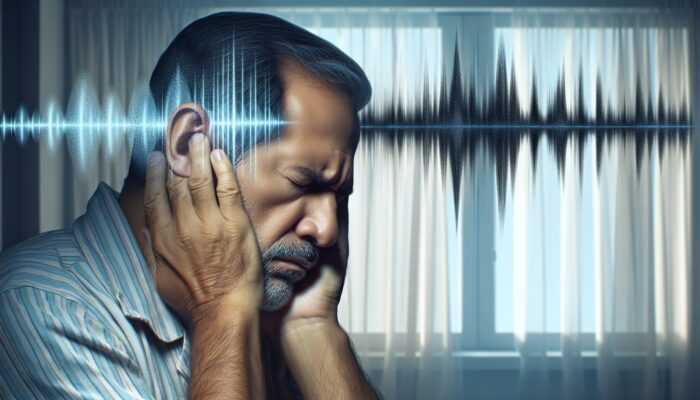
Are you experiencing unexpected ringing, buzzing, or hissing sounds in your ears? Welcome to the world of <a href=”https://www.earwaxremoval.net/weather-changes-and-their-impact-on-ear-pressure-a-guide/”>tinnitus</a>—a common yet often misunderstood condition that frequently serves as a key sign of eustachian tube dysfunction. Whether the sound is constant or intermittent, it can be disconcerting and distracting, pulling your focus away from conversations, music, or even the comforting sounds of nature.
Tinnitus often accompanies other symptoms like ear pressure and hearing changes, as if your ear is trying to communicate despite the noise obscuring its message. The effects of this condition can extend beyond auditory disturbances; it may lead to heightened anxiety, difficulty concentrating, and disrupted sleep patterns, creating a challenging cycle of discomfort that can be overwhelming.
However, understanding tinnitus can empower you on your path to relief. Consider seeking methods to alleviate the persistent ringing or buzzing, whether through relaxation techniques, sound therapies, or professional evaluations. Tinnitus does not have to be a lifelong burden. Early recognition and intervention can pave the way for an improved quality of life, allowing you to once again appreciate the beautiful sounds of life that surround you.
Common Conditions Associated with Eustachian Tube Dysfunction
Examining the Influence of Allergies on Eustachian Tube Function
Allergies can often feel like an unwelcome visitor that overstays its welcome, wreaking havoc on your eustachian tube and leading to dysfunction. When discussing eustachian tube dysfunction, allergies frequently take centre stage, highlighting the intricate connections between our bodily systems and their overall health.
Imagine relishing a beautiful spring day outdoors, only to be sidelined by relentless sneezing and a stuffy nose. This nasal congestion can obstruct the eustachian tube, resulting in uncomfortable pressure and even ear pain. What should be joyous experiences—like blooming flowers or a delightful picnic—might transform into sources of distress, underscoring the significant impact of allergies on your well-being.
Effectively managing allergies is essential for preventing the onset of eustachian tube dysfunction. Strategies may include over-the-counter antihistamines, nasal sprays, or avoiding known allergens. By addressing these triggers, you can preserve your ear health and overall comfort. Adopting a proactive approach to managing allergies can significantly enhance your enjoyment of life’s moments without the looming threat of ear troubles.
Understanding the Effects of Upper Respiratory Infections
Have you ever experienced that overwhelming sensation when you catch a cold, and your entire world seems turned upside down? Upper respiratory infections, such as the common cold or flu, are notorious for causing swelling and mucus buildup that can severely affect the eustachian tube. In discussions about eustachian tube dysfunction, these infections frequently emerge as primary culprits behind unexpected ear problems.
Picture this scenario: you’re navigating through the winter months, only to be struck down by a bothersome cold. The congestion builds, pressure mounts, and before you know it, you’re grappling with ear pain in addition to the usual symptoms of a runny nose and fatigue. It’s a cascading effect—one health challenge leading to another. The congested nasal passages can block eustachian tubes, creating an unpleasant cycle that may linger for weeks.
Focusing on prevention—such as practising good hygiene, staying hydrated, and receiving vaccinations—can significantly reduce your risk of upper respiratory infections and their adverse effects on your ear health. If you do find yourself feeling unwell, prioritising rest and recovery can help minimise the chances of developing eustachian tube dysfunction. Remember, a little attentiveness can dramatically enhance your recovery journey and overall health.
Exploring the Connection Between Chronic Sinusitis and Eustachian Tube Dysfunction
Chronic sinusitis, characterised by ongoing inflammation of the sinuses, can play a significant role in eustachian tube dysfunction. When your sinuses are inflamed, they can lead to persistent nasal congestion, resulting in complications that adversely impact the eustachian tube’s operation and your overall ear health.
Imagine living with the dull ache of chronic sinus pressure. It extends beyond mere discomfort; it infiltrates every aspect of your daily life. Whether you’re at work, home, or out enjoying the day, chronic sinusitis can weigh heavily on your experience. The swelling and mucus accumulation can obstruct the eustachian tube, resulting in feelings of fullness in the ears and even fluctuating hearing, affecting your quality of life.
Managing chronic sinusitis requires a comprehensive approach. Utilizing nasal rinses, medications that reduce inflammation, and consulting healthcare professionals for personalised treatment plans can significantly enhance your ear health. By addressing the underlying causes of your sinus issues, you can empower yourself to navigate daily challenges without the persistent burden of sinus-related ear problems, leading to a more fulfilling life.
Comprehensive Diagnostic Approaches for Eustachian Tube Dysfunction
The Importance of a Thorough Physical Examination
Imagine entering a doctor’s office, where the first step involves a meticulous physical examination of your ears. This process is not merely a routine check-up; it is a vital component in recognising signs of eustachian tube dysfunction. A comprehensive ear examination serves as the gateway to understanding your ear health, enabling healthcare professionals to assess for fluid buildup, retraction, or other concerning indicators.
During the examination, your doctor will utilise specialised tools to inspect your ear canal, looking for any irregularities. The presence of fluid in the middle ear may suggest dysfunction, akin to identifying a leaky faucet that requires attention. By recognising these issues early on, you can take proactive measures to address them, preventing further complications down the line and ensuring your ears remain healthy.
Being informed about what to expect during a physical examination can alleviate any apprehensions. Understanding that this simple yet crucial step can lead to clearer insights about your ear health is essential. Knowledge transforms anxiety into empowerment, and proactively managing your ear health is a choice worth making for your overall well-being.
Understanding How Tympanometry Assesses Ear Health
Imagine undergoing a test that measures the movement of your eardrum—tympanometry serves this exact purpose! This innovative diagnostic tool plays a pivotal role in assessing middle ear function and pressure, making it essential for eustachian tube dysfunction. It’s a straightforward, painless procedure that can yield invaluable information about your ear health and overall functioning.
During tympanometry, a device is positioned in your ear canal to create variations in air pressure. The response of your eardrum provides insights into whether fluid is present in the middle ear or if the eustachian tube is functioning correctly. Consider it akin to tuning into the delicate symphony of your ear’s mechanics—every movement tells a compelling story about your ear health.
Understanding the results of tympanometry can guide you and your healthcare provider in determining the next steps for treatment. If the test indicates dysfunction, it opens the door to exploring tailored strategies for relief and improvement. This test is more than just data; it is a key to unlocking a path toward clearer hearing and enhanced comfort in your life.
Visualising Eustachian Tube Function with Nasopharyngoscopy
While the thought of visualising the nasopharynx may seem intimidating, nasopharyngoscopy is a groundbreaking method for recognising signs of eustachian tube dysfunction. This diagnostic technique involves inserting a small camera through the nose to examine the nasopharynx, which is crucial for the function of the eustachian tube and overall ear health.
Imagine your doctor skillfully navigating through a narrow pathway that connects the nasal passages to the throat. By identifying any structural issues that may affect the eustachian tube, healthcare providers can develop targeted treatment plans that cater to your specific needs. Whether it pertains to anatomical abnormalities or inflammation, this examination offers rich details that can guide your care and improve your overall ear health.
While the concept of having a camera inserted through your nose may appear daunting, understanding that this procedure is designed to assist you can serve as a powerful motivator. It’s about uncovering the hidden layers of your health to empower you on your journey toward relief. The clarity gained from nasopharyngoscopy can be invaluable, facilitating informed decisions and proactive management of eustachian tube dysfunction.
Audiometry: Assessing Your Hearing Health
Picture yourself stepping into a sound booth, a serene environment where you can truly tune into your auditory experience. Audiometry is a hearing test that evaluates your ability to hear sounds, making it a vital component in recognising signs of eustachian tube dysfunction. This test helps differentiate between various types of hearing loss, including conductive hearing issues linked to eustachian tube problems, providing critical insights into your auditory health.
During the audiometry test, you’ll listen to a series of tones through headphones, responding as you hear them. It’s akin to a musical game, but the stakes are high—your hearing health is at risk. The results provide essential insights into whether your hearing challenges stem from eustachian tube dysfunction or another underlying issue, guiding your treatment plan and approach to care.
Understanding your audiometry results can empower you to take charge of your hearing health. Equipped with this knowledge, you can collaborate with your healthcare provider to explore treatment options, making informed decisions that align with your unique needs. Your hearing is invaluable, and audiometry is a crucial step toward preserving it and enhancing your quality of life.
Utilising Imaging Studies for a Comprehensive Diagnosis
When diagnosing eustachian tube dysfunction, sometimes a picture truly is worth a thousand words. Imaging studies, including CT or MRI scans, can visualise the eustachian tube and surrounding structures, offering a detailed look at potential anatomical abnormalities. These studies act as a magnifying glass, revealing insights that may not be apparent through other diagnostic methods, thus informing your treatment decisions.
Imagine having the ability to peer inside your body without invasive procedures—this is the power of imaging studies. By analysing these images, healthcare providers can identify structural issues that might contribute to dysfunction. Grasping the bigger picture allows for tailored treatment plans that address not only symptoms but also the root causes of your ear troubles, leading to more effective management of your condition.
While the thought of undergoing imaging studies may seem daunting, remember that this step can be a significant leap toward uncovering the truth about your ear health. Embracing this technology enables you to navigate your journey with confidence, ensuring you have the tools and knowledge to advocate for your well-being and make informed decisions regarding your health.
How Eustachian Tube Dysfunction Impacts Daily Life
Overcoming Concentration Challenges Due to Hearing Difficulties
Imagine sitting in a bustling café, surrounded by the sounds of conversation, yet you find it difficult to focus. Hearing difficulties stemming from eustachian tube dysfunction can create significant obstacles in concentration, impacting your ability to engage in discussions or fully appreciate the sounds of life. This isn’t merely an inconvenience; it can profoundly influence your work performance, social interactions, and overall well-being, creating a barrier between you and the world around you.
When your ears are not functioning optimally, it can feel as though you’re living in a muffled world. This auditory strain may lead to frustration and fatigue as you struggle to piece together conversations and sounds. The ripple effect can permeate every aspect of your life—from missing important discussions at work to feeling isolated within social settings, ultimately affecting your mental health and emotional state.
Implementing strategies to manage hearing difficulties can help restore your sense of clarity. Options like utilising hearing aids, participating in auditory training, or collaborating with a speech therapist can empower you to fully engage in life once more. Recognising the impact of eustachian tube dysfunction on your concentration is the first step toward discovering solutions that can transform your everyday experience, enabling you to reconnect with those around you.
Addressing Sleep Disturbances Linked to Ear Pain
Picture yourself lying in bed, tossing and turning, as persistent ear pain disrupts your much-needed rest. Sleep disturbances caused by eustachian tube dysfunction can significantly impact your quality of life, leading to fatigue and irritability. A restful night’s sleep is crucial for maintaining overall health, and when ear discomfort intrudes, it can create a challenging cycle of exhaustion that is difficult to break, affecting your daily interactions and overall mood.
The relationship between ear pain and sleep is profound. When discomfort arises, it becomes increasingly challenging to relax, resulting in restless nights. The repercussions extend beyond the night; the following day can feel like a fog, impairing your ability to focus and interact with others effectively. This cycle often spirals out of control if left unaddressed, compounding the issues you face in your daily life.
Empowering yourself with strategies for managing ear pain can be transformative. Simple techniques, such as applying warm compresses or elevating your head while sleeping, can alleviate discomfort and promote better rest. Seeking medical advice for persistent symptoms can also help you find personalised solutions for lasting relief. Prioritising your ear health is essential for reclaiming restful nights and enhancing your overall quality of life, allowing you to wake up refreshed and ready to engage with the world.
Overcoming Communication Challenges Due to Hearing Difficulties
Every conversation is a delicate dance, a beautiful exchange of ideas and emotions. But what happens when eustachian tube dysfunction leads to muffled hearing? Communication challenges can emerge, creating barriers in both social and professional interactions. It’s more than just missing words; it’s about feeling disconnected from those around you, leading to feelings of frustration and isolation.
Imagine striving to engage in a heartfelt conversation, only to find yourself constantly straining to catch what’s being said. This can lead to frustration—not just for you, but also for those conversing with you. The social repercussions can be significant, potentially resulting in misunderstandings and discomfort within relationships, which can further exacerbate your feelings of isolation.
Fostering open lines of communication regarding your hearing difficulties is crucial. Informing friends, family, and coworkers about your challenges can cultivate an environment of understanding and support. Employing tools such as written communication or visual aids can further enhance your interactions. The key lies in acknowledging how eustachian tube dysfunction affects your ability to connect and taking proactive measures to bridge those gaps, thereby strengthening your relationships and promoting a sense of belonging.
Exploring Effective Treatment Options for Eustachian Tube Dysfunction
How Decongestants Can Provide Relief from Symptoms
Feeling as though your head is engulfed in fog? Decongestants might just be the solution you need for clearing the air—both literally and figuratively. These medications work to reduce nasal congestion, allowing the eustachian tube to function more effectively and relieving symptoms associated with eustachian tube dysfunction. By alleviating that blocked sensation, decongestants can provide the much-needed relief from discomfort that interferes with your daily life.
Think of decongestants as a rescue team for your nasal passages. They can relieve the pressure that builds up due to allergies or colds, facilitating optimal eustachian tube function. However, it’s essential to use these medications judiciously, as overuse can lead to rebound congestion, worsening the situation in the long term and creating a cycle of dependency that can be difficult to break.
Consulting with a healthcare provider about suitable decongestant options can assist you in navigating your treatment journey. Whether you opt for oral medications or nasal sprays, understanding how these treatments function can empower you to make informed decisions regarding your ear health. Embrace the clarity that comes from knowing your options and taking proactive steps toward relief, ensuring your well-being.
The Role of Nasal Steroids in Managing Symptoms
Consider nasal steroids as the soothing balm for your inflamed nasal passages. These sprays work to reduce inflammation, enabling the eustachian tube to operate optimally. In the context of eustachian tube dysfunction, nasal steroids play a vital role in managing symptoms associated with allergies and sinus issues, providing significant relief from discomfort.
Imagine applying a gentle mist into your nose, alleviating the irritation caused by allergies or chronic sinusitis. This can help relieve pressure that builds up and hinders the proper functioning of your eustachian tube. By diminishing inflammation, nasal steroids can pave the way for improved ear health and overall comfort, allowing you to engage more fully in daily activities.
Before starting nasal steroid treatment, it’s wise to consult with a healthcare professional. They can provide guidance on how to use these medications effectively and monitor your progress. Embracing this treatment option can lead to a significant reduction in symptoms, enabling you to reclaim your daily activities with renewed energy and enthusiasm, improving your overall quality of life.
Empowering Yourself Through Eustachian Tube Exercises
Think you have no control over eustachian tube dysfunction? Think again! Eustachian tube exercises can serve as your secret weapon in managing discomfort and enhancing ear function. From yawning to the Valsalva manoeuvre, these techniques are designed to promote pressure equalisation and alleviate the bothersome symptoms associated with eustachian tube dysfunction, allowing you to take an active role in your ear health.
Consider the simple act of yawning. It’s not just a reflex; it’s a natural way to open the eustachian tube and balance pressure. Regularly practising this technique can help keep those tubes clear and functioning smoothly. The Valsalva manoeuvre, which involves pinching your nose and gently blowing, can also encourage pressure equalisation. While it may feel a bit strange initially, it’s a powerful tool in your ear health toolkit that can yield significant benefits.
Incorporating these exercises into your daily routine can lead to substantial improvements over time. They can be particularly beneficial during altitude changes or when experiencing symptoms. With practice and awareness, you can empower your ears to function better and effectively reduce discomfort, enhancing your overall quality of life.
Proactive Strategies for Preventing Ear Health Issues
Implementing Effective Allergy Management Techniques
Allergies may seem like an insurmountable challenge, but effective management is your best ally in preventing eustachian tube dysfunction. Taking control of your allergies through medication or avoidance strategies can help you breathe more easily and protect your ear health, ultimately enhancing your overall quality of life.
Imagine waking up in spring, eager to smell the flowers, only to be thwarted by relentless sneezing. By identifying your specific allergens—whether pollen, dust mites, or pet dander—you can tailor your environment to minimise exposure. Investing in high-quality air filters, regularly washing bedding, and practising sound hygiene can create a protective barrier against triggers, allowing you to enjoy the season without the burden of allergy symptoms.
Don’t underestimate the power of medication, either. Antihistamines and nasal sprays can be transformative, providing relief from symptoms that could lead to eustachian tube dysfunction. Consulting with a healthcare provider can help you develop a personalised treatment plan that suits your needs and lifestyle. By proactively managing your allergies, you can safeguard your ear health and reclaim the joy of everyday experiences without discomfort or distraction.
The Importance of Quitting Smoking for Enhanced Ear Health
What if I told you that quitting smoking could protect your ears? Smoking and secondhand smoke are notorious irritants that can cause inflammation in the nasal passages, leading to eustachian tube dysfunction. Stepping away from this harmful habit is a critical step toward preserving your ear health and overall well-being.
Picture yourself walking through a park, inhaling fresh air, free from the constraints of smoke. The benefits of quitting extend well beyond your lungs; your ears will express their gratitude, too! Reducing irritation in your nasal passages can lead to fewer instances of congestion and dysfunction, fostering a healthier environment for your eustachian tubes to thrive and improving your quality of life.
Support is essential on this journey. Whether it’s seeking professional help, joining support groups, or utilising cessation aids, every step counts. Empowering yourself to quit smoking is not just about health; it’s about embracing a life filled with clearer sounds, better communication, and enriched experiences that enhance your overall happiness.
Practising Good Hygiene to Prevent Infections
Maintaining good hygiene is your frontline defence against upper respiratory infections that can lead to eustachian tube dysfunction. Regular handwashing, avoiding close contact with sick individuals, and practising respiratory etiquette can empower you to stay healthy and protect your ears from potential complications.
Imagine walking through a crowded market, aware of the people around you. By prioritising good hygiene, you can significantly reduce your risk of contracting colds or flu that can trigger eustachian tube issues. Emphasising handwashing, especially during cold and flu seasons, can make a world of difference in your overall health and immunity.
Additionally, maintaining a healthy lifestyle through proper nutrition and hydration can bolster your immune system. The stronger your body, the better equipped it is to fend off infections. By embracing good hygiene practices, you are not merely protecting your ears; you are investing in your overall well-being and future health.
Recognising When to Seek Medical Assistance for Ear Issues
Promptly Addressing Persistent Symptoms for Better Outcomes
If you’ve been grappling with symptoms for two weeks or longer, it’s time to raise the alarm for help. Persistent symptoms of eustachian tube dysfunction can indicate an underlying issue that necessitates medical attention. Rather than waiting for discomfort to escalate, proactively seeking help is your best strategy for recovery and maintaining your health.
Imagine struggling with ear pain, pressure, and hearing changes without any relief. Instead of allowing this cycle to continue, take the initiative to consult a healthcare provider. A thorough evaluation can lead to customised treatment plans that guide you toward relief and improved ear health, empowering you to regain control over your daily activities.
Recognising the importance of timely intervention can transform your experience. By advocating for your health, you take control of your well-being and future. Don’t hesitate—reaching out for medical help could be the turning point you need to reclaim your daily life and enhance your quality of life.
Responding to Severe Pain as a Medical Emergency
Severe ear pain serves as your body’s alarm system. If you experience intense ear discomfort or sudden hearing loss, it’s crucial to seek immediate medical attention. These symptoms can signify serious underlying issues that require prompt evaluation and treatment to prevent further complications.
Imagine living in a world where ear pain disrupts your comfort and joy. The urgency of seeking help cannot be overstated. Allowing severe symptoms to persist may lead to complications that could have been avoided with timely intervention, impacting your quality of life in the long run.
When faced with severe pain, prioritise your health. Reach out to a healthcare provider who can guide you through necessary evaluations and treatment options. Your ears are integral to your overall health, and addressing issues promptly ensures you can continue to savour the sounds of life, enhancing your overall enjoyment and well-being.
Recognising the Need for Ongoing Support and Care
When it comes to eustachian tube dysfunction, recognising the signs is only part of the equation. The other half is understanding when to seek help. If you encounter repeated episodes of dysfunction, it’s essential to consult with a healthcare provider. By addressing the root cause together, you can work toward a healthier future and improved ear health.
Embrace your ear health journey with confidence. Navigating the complexities of eustachian tube dysfunction can be challenging, but the right knowledge and support can make a world of difference. Empower yourself to take action, ensuring your ears remain a source of joy and connection in your life, fostering a sense of well-being and belonging.
Frequently Asked Questions About Eustachian Tube Dysfunction
What Symptoms Indicate Eustachian Tube Dysfunction?
Common symptoms include ear pressure, pain, alterations in hearing, and tinnitus. Early recognition of these signs can lead to more effective management and treatment options, ensuring better outcomes.
How Do Allergies Impact the Eustachian Tube?
Allergies can induce nasal congestion and inflammation, blocking the eustachian tube and resulting in dysfunction. Managing allergies is vital for maintaining ear health and preventing complications.
What Diagnostic Methods Are Utilised for Assessing Eustachian Tube Dysfunction?
Diagnostic methods include physical examinations, tympanometry, nasopharyngoscopy, audiometry, and imaging studies, each providing valuable insights into ear health and function.
What Effects Does Eustachian Tube Dysfunction Have on Daily Life?
It can lead to difficulties in concentration, sleep disturbances, and challenges in communication, significantly affecting overall quality of life and emotional well-being.
What Treatment Options Are Available for Eustachian Tube Dysfunction?
Available treatment options encompass decongestants, nasal steroids, and eustachian tube exercises, all tailored to alleviate symptoms and enhance function, improving your quality of life.
How Can I Prevent Eustachian Tube Dysfunction?
Prevention strategies involve managing allergies, quitting smoking, and maintaining good hygiene to reduce the risk of infections affecting ear health and function.
When Should I Seek Medical Help for Ear Issues?
Seek medical assistance if symptoms persist for more than two weeks, if you experience severe pain, or if you notice sudden hearing loss, as these can indicate serious conditions.
Can Eustachian Tube Dysfunction Resolve on Its Own?
In some instances, mild symptoms may resolve without intervention. However, persistent or severe issues typically require medical evaluation and treatment for effective management.
Are There Exercises That Can Assist with Eustachian Tube Dysfunction?
Yes, exercises such as yawning, swallowing, and the Valsalva manoeuvre can help equalise ear pressure and improve eustachian tube function, providing symptomatic relief.
What Lifestyle Changes Can Support Ear Health?
Implementing allergy management, quitting smoking, and practising good hygiene can significantly bolster ear health and prevent eustachian tube dysfunction, ensuring well-being.
Explore our world on X!
The post Eustachian Tube Dysfunction: Key Signs to Recognise appeared first on The Microsuction Ear Wax Removal Network.
Originally posted 2025-04-19 03:10:13.
The post Eustachian Tube Dysfunction: Recognising the Key Signs appeared first on Healthcare Marketing Service.