Categories
Health & Wellness Healthcare Technology

Enhanced Automation in Healthcare through Process Redesign

In the fast-paced landscape of today’s healthcare environment, both efficiency and automation are essential elements that underpin the effective operation of various sectors, particularly healthcare. As the demand for superior healthcare services escalates, medical organisations are actively pursuing methods to optimise their processes and enhance patient care outcomes. This is where process redesign and automation assume critical importance, significantly transforming healthcare delivery.

Understanding the Importance of Efficiency in Healthcare

The landscape of healthcare organisations is fraught with challenges such as escalating costs, a surge in patient numbers, and constrained resources. In this intricate environment, it is vital to optimise processes to ensure that patients receive timely and high-quality care. Streamlining workflows not only enhances efficiency but also plays a crucial role in improving health outcomes.

Process redesign entails a comprehensive reassessment and reconfiguration of current workflows to eliminate unnecessary steps, minimise errors, and elevate overall efficiency. By embracing process redesign within the healthcare sector, organisations can effectively reduce waste, alleviate bottlenecks, and significantly enhance patient satisfaction, ultimately resulting in a more agile and responsive healthcare system.

Exploring the Major Benefits of Process Redesign in Healthcare

Doctors analysing holographic patient data in a futuristic healthcare setting, enhancing efficiency and care.
  1. Enhanced Patient Safety: A primary objective of process redesign is to improve patient safety. By systematically eliminating redundant steps, standardising procedures, and implementing error-prevention mechanisms, healthcare organisations can significantly decrease the incidence of medical errors and adverse events. This meticulous approach ensures that patients receive appropriate care at the right moment, reducing potential harm and fostering a safer healthcare environment.

  2. Boosting Patient Satisfaction: Streamlining processes within healthcare organisations can lead to shorter waiting times, enhanced communication, and an overall improved patient experience. This can be accomplished through the adoption of advanced technologies such as self-check-in kiosks, electronic medical record systems, and automated appointment reminders. Improved coordination among healthcare providers and departments facilitates smoother transitions of care, ultimately resulting in increased patient satisfaction.

  3. Cost Reduction: Process redesign equips healthcare organisations to identify and eliminate non-value-added activities, resulting in substantial cost savings. By optimising resource utilisation and minimising waste, organisations can manage their resources more effectively. For instance, automation can streamline administrative tasks such as billing and claims processing, significantly reducing the need for manual intervention and minimising costs associated with human error.

  4. Boosted Staff Productivity: By streamlining processes and alleviating administrative burdens, healthcare professionals can dedicate more time to direct patient care. The automation of routine tasks and the removal of manual paperwork empower staff to improve patient interactions, leading to better health outcomes. Automation can assist with essential tasks, including medication dispensing and inventory management, allowing staff to focus on complex clinical decision-making.

  5. Optimised Data Management: Implementing process redesign frequently includes the adoption of automation and digitalisation strategies. This transition enhances data management, improves accuracy, and increases access to critical patient information. The availability of real-time data enables healthcare professionals to make well-informed decisions and deliver personalised care. The integration of electronic health records, clinical decision support systems, and data analytics tools further improves the quality and efficiency of healthcare delivery.

Harnessing Automation to Enhance Efficiency in Healthcare

Automation plays an integral role in enhancing efficiency within the healthcare sector. By employing advanced technology and sophisticated software solutions, healthcare organisations can automate repetitive, time-consuming tasks, ensuring precise and efficient operations. The advantages of automation in healthcare are extensive:

  1. Minimising Human Errors: Automation significantly reduces the likelihood of human errors, such as transcription mistakes or data entry inaccuracies. By automating processes like appointment scheduling or prescription filling, healthcare organisations can dramatically diminish the potential for errors. This advancement not only boosts patient safety but also decreases the need for costly error corrections.

  2. Streamlining Workflow: Automation optimises workflows by eliminating manual handoffs, decreasing paperwork, and automating data exchange across various systems. This leads to faster processing times, reduced bottlenecks, and improved overall efficiency. For instance, automated patient triage systems can prioritise and assign cases based on severity, significantly enhancing workflow in emergency departments.

  3. Improving Communication: Automation facilitates seamless communication among healthcare professionals, departments, and patients. By automating notifications, reminders, and alerts, healthcare organisations can ensure timely communication, fostering improved collaboration and coordination. This is particularly beneficial during care transitions, where automated alerts can help prevent medication errors or missed follow-up appointments.

  4. Leveraging Real-time Analytics: Automation enables healthcare organisations to gather and analyse real-time data, providing invaluable insights for informed decision-making. This capability aids in identifying areas for improvement, optimising resource allocation, and enhancing patient care outcomes. For example, automated data analytics tools can monitor patient outcomes and alert healthcare providers to potential complications, facilitating early interventions and better patient results.

  5. Ensuring Regulatory Compliance: Automation assists healthcare organisations in maintaining compliance with various regulatory requirements. By automating documentation processes and ensuring timely follow-ups, organisations can mitigate compliance risks and avoid penalties. For instance, automated coding and billing systems guarantee accurate documentation and coding, thereby minimising the risk of non-compliance with coding guidelines and regulations.

Key Steps for the Successful Implementation of Process Redesign and Automation in Healthcare

Effectively implementing process redesign and automation in the healthcare sector necessitates meticulous planning and collaboration among various stakeholders. Below are crucial steps to consider:

  1. Identify Areas for Improvement: Conduct a comprehensive analysis of existing processes to uncover bottlenecks, inefficiencies, and areas suitable for automation. Involve healthcare professionals, administrators, and IT experts to gather insights and requirements. This may include conducting time-motion studies, workflow analyses, and soliciting feedback from frontline staff.

  2. Develop a Comprehensive Roadmap: Create a detailed plan outlining the necessary steps for implementing process redesign and automation. Define clear objectives, timelines, and resource requirements. Prioritise areas that demonstrate the highest potential for improvement, considering factors such as cost, feasibility, and their impact on patient care outcomes.

  3. Select Suitable Technology: Assess various automation technologies and software solutions available in the market. Consider aspects such as scalability, flexibility, security, and integration capabilities. Choose a solution that aligns with your organisation’s goals and requirements, ensuring that the selected technology is user-friendly and easily adoptable by staff members.

  4. Engage and Educate Staff: Effective training is essential for the successful implementation and acceptance of new processes and technologies. Educate staff on the benefits of process redesign and automation, provide hands-on training on new systems, and encourage their active participation in the change management process. This engagement may include conducting workshops, providing user manuals, and offering ongoing support and guidance.

  5. Monitor and Assess Progress: Continuously track the performance of redesigned processes and automated systems. Gather feedback from staff and patients to identify additional areas for improvement. Regularly review key performance indicators to evaluate the impact of process redesign and automation on efficiency and patient outcomes. Make necessary adjustments and refinements based on the feedback received to ensure sustained improvement and effectiveness.

In summary, enhancing efficiency through process redesign and automation is crucial in the healthcare sector. By embracing these innovative strategies, healthcare organisations can optimise processes, improve patient safety and satisfaction, reduce costs, and enhance overall healthcare delivery. The journey towards automation in healthcare involves meticulous planning, collaboration, and the selection of appropriate technology to ensure successful implementation and long-lasting benefits.

Note: The complete article is provided in markdown format below:

# Driving Efficiency: Process Redesign and the Path to Automation in Healthcare In today's fast-paced world, efficiency and automation are key factors in ensuring the smooth functioning of any industry, and healthcare is no exception. As the demand for quality healthcare services continues to rise, healthcare organizations are constantly seeking ways to streamline their processes and improve patient care outcomes. This is where process redesign and automation play a crucial role. 

The Need for Efficiency in Healthcare

A modern hospital using technology to streamline processes, reducing wait times and errors for better patient care.
Healthcare organizations face numerous challenges on a daily basis, including rising costs, increasing patient volumes, and limited resources. In such a complex environment, it becomes imperative to optimize processes to ensure that patients receive timely and high-quality care. Process redesign involves reevaluating and reengineering existing processes to eliminate unnecessary steps, reduce errors, and enhance overall efficiency. By implementing process redesign in healthcare, organizations can cut down on waste, minimize bottlenecks, and improve patient satisfaction.

Key Benefits of Process Redesign in Healthcare

  1. Improved Patient Safety: One of the primary goals of process redesign is to enhance patient safety. By eliminating redundant steps, standardizing processes, and implementing error-prevention mechanisms, healthcare organizations can significantly reduce the risk of medical errors and adverse events. This ensures that patients receive the right care at the right time, minimizing potential harm.
  1. Enhanced Patient Satisfaction: By streamlining processes, healthcare organizations can reduce waiting times, improve communication, and enhance the overall patient experience. This can be achieved by implementing technologies such as self-check-in kiosks, electronic medical record systems, and automated appointment reminders. improved coordination between healthcare providers and departments leads to smoother transitions of care and better patient satisfaction.
  1. Reduced Costs: Process redesign allows healthcare organizations to identify and eliminate non-value-added activities, leading to cost savings. By optimizing resource utilization and reducing waste, organizations can allocate their resources more efficiently and effectively. For example, automation can streamline administrative tasks like billing and claims processing, reducing the need for manual intervention and lowering costs associated with human error.
  1. Increased Staff Productivity: Streamlined processes and reduced administrative burdens enable healthcare professionals to focus more on direct patient care. By automating routine tasks and eliminating manual paperwork, staff can spend more time interacting with patients, leading to improved outcomes. automation can assist in tasks like medication dispensing and inventory management, freeing up staff to concentrate on complex clinical decision-making.
  1. Enhanced Data Management: Process redesign often involves the implementation of automation and digitalization strategies. This allows for better data management, improved accuracy, and increased accessibility to vital patient information. The availability of real-time data enables healthcare professionals to make informed decisions and provide personalized care. Integration of electronic health records, clinical decision support systems, and data analytics tools can further enhance the quality and efficiency of healthcare delivery.

The Role of Automation in Healthcare

Automation plays a significant role in driving efficiency in healthcare. By leveraging technology and advanced software solutions, healthcare organizations can automate repetitive and time-consuming tasks, ensuring accurate and efficient operations. Automation offers several benefits in the healthcare industry:
  1. Reduced Human Errors: Automation minimizes the risk of human errors, such as transcription errors or data entry mistakes. By automating processes like appointment scheduling or prescription filling, healthcare organizations can significantly reduce the likelihood of mistakes. This improves patient safety and reduces the need for costly error correction.
  1. Improved Workflow: Automation streamlines workflows by eliminating manual handoffs, reducing paperwork, and automating data exchange between different systems. This leads to faster processing times, reduced bottlenecks, and improved overall efficiency. For example, automated patient triage systems can prioritize and assign cases based on severity, optimizing the workflow in emergency departments.
  1. Enhanced Communication: Automation facilitates seamless communication among healthcare professionals, departments, and patients. By automating notifications, reminders, and alerts, healthcare organizations can ensure timely communication, leading to improved collaboration and coordination. This can be particularly beneficial in care transitions, where automated alerts can help prevent medication errors or missed follow-up appointments.
  1. Real-time Analytics: Automation enables healthcare organizations to collect and analyze real-time data, providing valuable insights for decision-making. This helps in identifying areas for improvement, optimizing resource allocation, and enhancing patient care outcomes. For instance, automated data analytics tools can monitor patient outcomes and alert healthcare providers of potential complications, allowing for early interventions and improved patient outcomes.
  1. Improved Compliance: Automation helps healthcare organizations stay compliant with various regulatory requirements. By automating documentation processes and ensuring timely follow-ups, organizations can reduce compliance risks and avoid penalties. For example, automated coding and billing systems can ensure accurate documentation and coding, minimizing the risk of non-compliance with coding guidelines and regulations.

Implementing Process Redesign and Automation

Healthcare professionals collaborating on digital interface for process redesign and automation, improving efficiency and patient care.
Implementing process redesign and automation in healthcare requires careful planning and collaboration among various stakeholders. Here are some steps to consider:
  1. Identify Areas for Improvement: Conduct a thorough analysis of existing processes to identify bottlenecks, inefficiencies, and areas that can benefit from automation. Engage healthcare professionals, administrators, and IT experts to gain insights and gather requirements. This can involve conducting time-motion studies, workflow analysis, and obtaining feedback from frontline staff.
  1. Develop a Roadmap: Create a detailed plan outlining the steps required to implement process redesign and automation. Define clear objectives, timelines, and resource requirements. Prioritize areas that offer the highest potential for improvement. Consider factors such as cost, feasibility, and impact on patient care outcomes.
  1. Select the Right Technology: Evaluate different automation technologies and software solutions available in the market. Consider factors such as scalability, flexibility, security, and integration capabilities. Choose a solution that aligns with your organization's goals and requirements. Ensure that the chosen technology is user-friendly and can be easily adopted by staff.
  1. Train and Engage Staff: Proper training is crucial to ensure the successful implementation and adoption of new processes and technologies. Train staff on the benefits of process redesign and automation, provide hands-on training on new systems, and encourage their active participation in the change management process. This can include conducting workshops, providing user manuals, and offering ongoing support and guidance.
  1. Monitor and Evaluate: Continuously monitor the performance of redesigned processes and automated systems. Collect feedback from staff and patients to identify areas for further improvement. Regularly review key performance indicators to measure the impact of process redesign and automation on efficiency and patient outcomes. Make necessary adjustments and refinements based on the feedback received to ensure sustained improvement.
In conclusion, driving efficiency through process redesign and automation is paramount in the healthcare industry. By embracing these strategies, healthcare organizations can optimize processes, enhance patient safety and satisfaction, reduce costs, and improve overall healthcare delivery. The path to automation in healthcare requires careful planning, collaboration, and the right technology to ensure successful implementation and long-term benefits.

Common Questions Regarding Process Redesign and Automation in Healthcare

1. What are the primary advantages of process redesign in healthcare?

  • Enhanced Patient Safety: By removing redundant steps and implementing error-prevention mechanisms, process redesign diminishes the likelihood of medical errors and adverse events, ensuring patients receive appropriate care promptly.
  • Improved Patient Satisfaction: Streamlining processes results in shorter waiting times, better communication, and an overall enhanced patient experience, leading to increased satisfaction.
  • Cost Reduction: Process redesign helps identify and eliminate non-value-added activities, optimising resource use and decreasing waste, resulting in significant cost savings.
  • Increased Staff Productivity: Automating routine tasks and alleviating administrative burdens enables staff to dedicate more time to patient interactions and focus on direct care.

2. What is the role of automation in healthcare?

  • Minimising Human Errors: Automation significantly lessens the risk of human errors by automating processes such as appointment scheduling or prescription filling, enhancing patient safety.
  • Improving Workflow: Automation removes manual handoffs, decreases paperwork, and automates data exchange, resulting in quicker processing times and improved overall efficiency.
  • Facilitating Enhanced Communication: Automation enables seamless communication among healthcare professionals, departments, and patients through automated notifications, reminders, and alerts.
  • Providing Real-time Analytics: Automation allows healthcare organisations to collect and analyse real-time data, delivering valuable insights for decision-making, optimising resource allocation, and improving patient care outcomes.

3. How can healthcare organisations implement process redesign and automation?

  • Identify Improvement Areas: Conduct a thorough analysis of existing processes to pinpoint bottlenecks and inefficiencies that are suitable for automation.
  • Develop a Comprehensive Roadmap: Create a detailed plan with explicit objectives, timelines, and resource requirements, prioritising areas with the greatest potential for enhancement.
  • Select Appropriate Technology: Assess automation technologies based on scalability, flexibility, security, and integration capabilities, ensuring they align with organisational goals.
  • Train and Engage Staff: Provide comprehensive training on the benefits of process redesign and automation, offer hands-on training on new systems, and encourage staff involvement in the transition.
  • Monitor and Evaluate: Consistently monitor the performance of redesigned processes and automated systems, collect feedback, and adjust as necessary for continuous improvement.

4. In what ways do process redesign and automation enhance healthcare delivery?

  • Optimised Processes: Process redesign and automation streamline workflows, reduce errors, and eliminate waste, leading to efficient healthcare delivery.
  • Improved Patient Safety and Satisfaction: Enhancing patient safety and reducing waiting times through process redesign and automation elevates overall patient satisfaction.
  • Cost Savings: Process redesign and automation identify non-value-added activities, leading to reduced costs associated with human error.
  • Increased Staff Productivity: By automating routine tasks and minimising administrative burdens, staff can concentrate more on direct patient care, improving health outcomes.

Originally posted 2023-04-26 15:26:19.

The post Process Redesign for Enhanced Automation in Healthcare appeared first on Healthcare Marketing Service.

Categories
Finance & Business Healthcare Technology

Scaling a Healthcare Tech Company: Essential Guide for the UK

Exploring the Complex Landscape and Opportunities in the UK Healthcare Sector

The UK healthcare sector presents a multifaceted yet promising landscape for individuals and organisations aiming to expand a healthcare technology business. At the core of this environment lies the National Health Service (NHS), which underscores the importance of thoroughly understanding its organisational structure and operational processes. By meticulously examining the regulations that govern this vital industry and conducting comprehensive market analyses, innovators can uncover substantial opportunities where technological solutions can seamlessly integrate into established healthcare frameworks. This profound comprehension empowers entrepreneurs to skillfully navigate the intricate dynamics of the industry, ultimately facilitating more effective and impactful contributions to the healthcare ecosystem.

Deepening Understanding of the NHS Structure and Identifying Key Opportunities

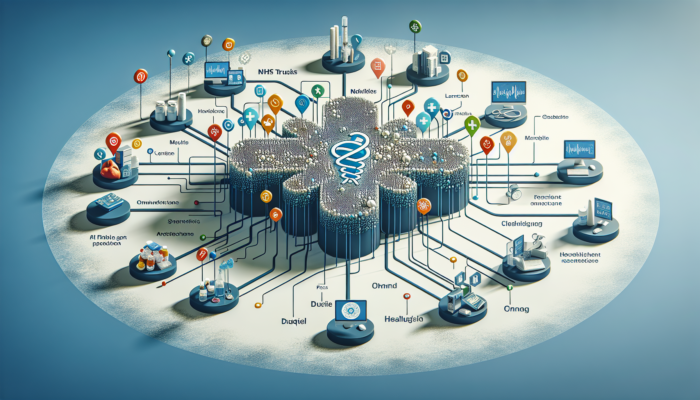
Infographic showing NHS structure with Trusts, CCGs, PCNs, and tech solutions for patient care and efficiency.

The NHS functions as a publicly funded entity responsible for delivering healthcare services to the UK population. Its organisational framework comprises various components, including NHS Trusts, Clinical Commissioning Groups (CCGs), and Primary Care Networks (PCNs), with each fulfilling a distinct role within the healthcare system. For entrepreneurs aspiring to expand a healthcare technology business, recognising and understanding these layers is crucial. Each NHS Trust encounters unique operational challenges and requirements, presenting tailored opportunities for innovative technology solutions that specifically address needs in patient care and service delivery efficiency.

Numerous pathways exist to enhance patient management systems, improve telehealth services, and create applications aimed at increasing patient education and engagement. The NHS’s proactive approach to embracing technology—particularly in response to the challenges presented by the COVID-19 pandemic—creates a favourable environment for new market entrants. Moreover, the NHS Long Term Plan explicitly promotes a commitment to digital transformation, encouraging companies to align their technological offerings with the strategic goals outlined by the NHS.

A critical strategy for achieving success within this ecosystem involves identifying specific NHS Trusts that are eager to adopt innovation. By concentrating on areas such as remote patient monitoring and integrated care systems, technology firms can position themselves as vital partners in the NHS’s mission to enhance patient outcomes and boost operational efficiencies. Collaborating with NHS entities can provide invaluable insights into the diverse needs of various patient populations, guiding the development of targeted and effective solutions that address real healthcare challenges.

Navigating the Regulatory Framework Governing Healthcare Technology

The UK healthcare sector is regulated by stringent guidelines designed to protect patient safety, ensure data protection, and deliver high-quality services. Companies operating within this realm must adeptly navigate the frameworks established by the Care Quality Commission (CQC) and the Medicines and Healthcare products Regulatory Agency (MHRA), as compliance with these standards is essential for those aiming to expand a healthcare technology business.

A thorough grasp of the General Data Protection Regulation (GDPR) is particularly vital, as it outlines the protocols for managing personal data within technological solutions. Familiarity with these regulations not only mitigates legal risks but also cultivates trust among healthcare providers and patients alike. Organisations that prioritise effective data protection practices are more likely to gain traction and establish credibility in an increasingly competitive marketplace.

To flourish in this regulatory environment, businesses should implement robust compliance strategies from the outset, involving legal advisors and compliance officers in the product development process. Regular audits, staff training, and collaboration with regulatory authorities can ensure a proactive stance on compliance. This strategy not only secures operational legitimacy but also enhances the attractiveness of technology offerings to potential partners, both within the NHS and the private healthcare sector.

Executing Comprehensive Market Analysis to Discover Opportunities

Conducting an extensive market analysis is crucial for any technology company aspiring to thrive in the UK healthcare sector. Gaining insights into the current needs and gaps within the healthcare system allows innovators to tailor their solutions to address specific challenges faced by both providers and patients. Recent studies indicate an increasing demand for mental health services, remote monitoring capabilities, and personalised medicine, highlighting areas that are particularly ripe for innovative intervention.

Employing research methodologies such as surveys, focus groups, and industry reports can yield critical insights into the requirements of patients and healthcare providers. Direct engagement with healthcare professionals fosters an understanding of the operational challenges they encounter, which can guide product development. For example, if research uncovers inefficiencies in patient data management across NHS Trusts, technology companies can create solutions that enhance interoperability and streamline workflows, ultimately improving overall efficiency in care delivery.

Furthermore, conducting a competitive analysis is essential. Companies must evaluate existing solutions available in the market, assessing their strengths and weaknesses while determining how to differentiate their own offerings. By articulating unique value propositions clearly and demonstrating how these solutions can effectively address specific problems, technology firms can position themselves successfully within the market.

Investing the requisite time and resources into thorough market research will not only inform product development but also shape effective marketing strategies. A profound understanding of the demographics that comprise the UK healthcare landscape will enable businesses to tailor their messaging and outreach efforts, ensuring they resonate with the appropriate audiences and stakeholders.

Forging Strategic Collaborations to Propel Growth in Healthcare Technology

Executives shaking hands with representatives from academia, NHS, and private healthcare, symbolising strategic growth in healthcare technology.

Establishing strategic partnerships is vital for companies seeking to expand a healthcare technology business. By developing relationships with academic institutions, engaging with NHS Trusts, and collaborating with private healthcare providers, technology firms can significantly enhance their reach, credibility, and product development capabilities.

Leveraging Collaborations with UK Universities to Stimulate Innovation

UK universities are at the forefront of healthcare innovation, creating a vibrant ecosystem that supports the growth of tech companies. Collaborating with academic institutions allows firms to access cutting-edge research, tap into a skilled talent pool, and benefit from the latest advancements in medical technology. Many universities host incubators and accelerators specifically designed to support health tech startups, offering invaluable resources and guidance.

By forming research partnerships, technology companies can utilise the academic expertise of faculty members to develop evidence-based solutions that resonate with healthcare professionals. These collaborations not only enhance product credibility but can also lead to impactful clinical trials that demonstrate efficacy and safety—key factors in earning trust from the healthcare community.

Moreover, universities often maintain established connections with NHS Trusts, facilitating introductions that could lead to pilot programmes or the early adoption of new technologies. This pathway to collaboration with NHS entities can significantly expedite the scaling process, providing real-world testing environments and essential feedback for refining products.

Investing in partnerships with universities also creates opportunities for talent acquisition. Graduates and postgraduates from healthcare-focused programmes can offer fresh perspectives and innovative ideas, enriching the organisational culture and driving continuous improvement in product offerings.

Effectively Engaging with NHS Trusts for Collaborative Innovation

Building strong relationships with NHS Trusts is a critical strategy for technology companies wishing to expand a healthcare technology business in the UK. These trusts are accountable for delivering healthcare services and are often keen to explore innovative solutions that can improve service delivery and patient care. Establishing connections with decision-makers within these trusts can lead to collaborations on pilot projects, providing tech companies with the opportunity to showcase their capabilities in a real-world environment.

To engage effectively with NHS Trusts, it’s essential to comprehend the specific challenges they face. Hosting workshops, attending health tech conferences, and networking at industry events can help establish credibility and build rapport with key stakeholders. Presenting compelling case studies or evidence of successful implementations in similar settings can further strengthen your pitch and foster trust.

Additionally, proactively addressing the sustainability objectives outlined in the NHS Long Term Plan can resonate well with NHS Trusts. Tailoring solutions that contribute to operational efficiencies, cost savings, or improved patient outcomes will not only align with NHS priorities but also position your company as an invaluable partner in advancing the healthcare agenda.

Through consistent engagement and a demonstrated commitment to addressing the unique challenges faced by NHS Trusts, technology companies can forge lasting partnerships that facilitate scaling efforts and significantly broaden their market impact.

Collaborating with Private Healthcare Providers for Market Diversification

Executives shaking hands with healthcare providers, showcasing market diversification and innovative medical tech against UK landmarks.

The private healthcare sector in the UK presents a significant opportunity for tech companies seeking to broaden their influence. Collaborating with private healthcare providers enables organisations to diversify their customer base and tap into markets that may be more receptive to innovative solutions. Unlike the NHS, where procurement processes can be lengthy and complex, private providers often possess greater flexibility in adopting new technologies.

Identifying suitable private healthcare partners involves researching their specific needs and pain points. Engaging in discussions about operational inefficiencies, patient engagement challenges, or data management issues they encounter can provide valuable insights. By offering tailored solutions that directly address these needs, technology companies can position themselves as indispensable partners in enhancing care delivery.

Moreover, private healthcare providers are typically more open to pilot programmes and collaborative ventures. This flexibility allows tech companies to refine their offerings while gathering crucial feedback used to improve products before scaling further. Successful collaborations can also result in testimonials and case studies that bolster the company’s reputation within the broader healthcare landscape.

Networking within private healthcare circles, attending relevant events, and demonstrating a clear understanding of the unique market dynamics of the private sector will significantly enhance your chances of building fruitful partnerships.

Exploring Funding and Investment Opportunities to Fuel Business Growth

Securing funding is vital for any startup, and when it comes to expanding a healthcare technology business, understanding the investment landscape in the UK is essential. From government grants to venture capital and crowdfunding options, a variety of avenues exist for obtaining the necessary financial support for growth.

Identifying and Securing Government Grants for Healthcare Innovation in the UK

The UK government is dedicated to promoting innovation in healthcare technology, offering various grants and funding initiatives specifically aimed at tech companies. Understanding this funding landscape can provide a competitive edge when seeking resources to scale operations. Programmes such as the Small Business Research Initiative (SBRI) and Innovate UK’s funding competitions frequently focus on healthcare innovations that can demonstrate potential benefits to the NHS and public health.

Applying for these grants typically requires a well-structured proposal that clearly outlines the project’s objectives, potential impact, and alignment with government priorities in health technology. It’s vital to demonstrate feasibility and sustainability while detailing expected outcomes. Success in securing government funding not only provides financial support but also enhances the credibility of your project, making it more attractive to further investment opportunities.

Additionally, engaging with local Enterprise Zones or Business Growth Hubs can uncover additional support networks and funding opportunities. These organisations are well-versed in the complexities of the funding landscape and can assist in connecting companies with relevant resources.

Adopting a strategic approach to grant applications—understanding specific requirements and tailoring submissions accordingly—will significantly improve the chances of success, providing essential capital to scale effectively.

Attracting Venture Capital for Accelerated Growth in Healthcare Technology

Venture capital (VC) is a crucial funding avenue for tech companies aspiring for rapid growth. The UK boasts a vibrant venture capital landscape, with numerous firms actively seeking investment opportunities in healthcare technology. Crafting a compelling pitch that resonates with potential investors is vital when attempting to secure funding.

Investors are particularly interested in the scalability of your solution and its potential for market disruption. Clearly articulating a strong value proposition, supported by comprehensive market research and evidence of demand, will be essential in convincing investors of your business’s viability. Highlighting previous successes, partnerships, or pilot projects can further bolster your case and enhance credibility.

Networking within the VC community, attending pitch events, and leveraging platforms like Seedrs or Crowdcube can significantly increase visibility to the right investors. Additionally, showcasing a robust management team and demonstrating a well-structured business model will be critical factors in attracting venture capital.

Building relationships with investors can also provide ongoing support and mentorship, extending beyond just financial backing. Their expertise and insights can help navigate challenges and identify growth opportunities as you scale your healthcare technology business.

Utilising Crowdfunding Campaigns for Effective Capital Generation

Crowdfunding has emerged as a popular and effective means of raising capital for startups, particularly in the healthcare technology sector. Platforms such as Crowdcube and Seedrs enable companies to present their ideas to potential investors and secure funding from a diverse audience. This approach not only provides financial support but also helps validate the product concept by generating interest from the public.

Creating a compelling campaign necessitates a strong narrative about your product and its impact on the healthcare sector. Clearly communicating the problem being addressed and the unique features of your technology will attract potential backers. Engaging visuals, videos, and testimonials can further enhance the appeal of your campaign, increasing the likelihood of resonating with potential investors.

Moreover, successful crowdfunding campaigns can lead to significant publicity, generating buzz around your company that may attract the attention of venture capitalists and other funding sources. The community aspect of crowdfunding also creates a dedicated group of early adopters who can provide invaluable feedback, helping to refine the product before its broader market release.

Engaging with your backers post-campaign can foster loyalty and support, paving the way for future funding rounds as you continue to expand your healthcare technology solutions.

Driving Technology Development and Fostering Innovation

Emphasising technology development and innovation is essential for those seeking to expand a healthcare technology business. By leveraging local tech hubs, adhering to data protection standards, and incorporating cutting-edge technologies, companies can accelerate growth while enhancing their product offerings.

Capitalising on UK Tech Hubs for Healthcare Innovation

The UK is home to a variety of technology hubs and incubators that serve as dynamic ecosystems for health tech innovation. Cities such as London, Cambridge, and Manchester host numerous initiatives designed to support startups through mentorship, funding, and networking opportunities. By embedding themselves within these ecosystems, tech companies can access vital resources that expedite their growth.

Collaboration with other startups, industry experts, and academics within these hubs fosters a culture of innovation. Regular networking events, workshops, and seminars create an environment conducive to sharing ideas and best practices. Furthermore, the proximity to potential investors and partners increases the likelihood of forging beneficial relationships that can enhance the scalability of technology solutions.

Many tech hubs also offer tailored support specifically for healthcare technology initiatives, ranging from regulatory guidance to access to clinical trial facilities. Engaging with these resources ensures that tech companies remain at the forefront of industry advancements and best practices, significantly enhancing their ability to scale effectively.

Participating in accelerator programmes can also provide structured pathways to market, helping startups refine their business models and product offerings in alignment with market demands and opportunities.

Ensuring Compliance with UK Data Protection Standards in Healthcare

Adhering to UK data protection standards, particularly GDPR, is non-negotiable for any healthcare technology company. Given that solutions frequently involve handling sensitive patient information, it is crucial for companies to establish robust data protection frameworks. This commitment not only safeguards patient privacy but also builds trust with healthcare providers and patients alike.

Implementing comprehensive data management protocols that include encryption, access controls, and clear data usage policies is essential. Training employees on GDPR compliance and data security best practices will further ensure a culture prioritising data protection within the organisation.

Additionally, transparency in data handling practices can significantly enhance your tech company’s reputation within the healthcare sector. Clearly communicating how data is collected, stored, and utilised in your solutions can alleviate potential concerns from healthcare professionals and patients regarding privacy and security.

As more healthcare providers seek to adopt digital solutions, demonstrating a strong commitment to data protection can set your company apart from competitors and establish a solid foundation for sustainable scaling operations.

Incorporating AI and Machine Learning for Enhanced Healthcare Solutions

Integrating artificial intelligence (AI) and machine learning (ML) into healthcare solutions can dramatically enhance their efficacy and appeal. These technologies have the potential to drive improved patient outcomes through predictive analytics, personalised treatment plans, and increased operational efficiencies.

For instance, AI can be utilised to analyse vast datasets, identifying trends and patterns that human analysts may overlook. This capability can lead to earlier diagnoses and improved treatment pathways, making your technology invaluable to healthcare providers. Furthermore, ML algorithms can continuously learn from new data, ensuring that solutions remain relevant and effective as healthcare practices evolve.

Investing in AI and ML capabilities necessitates collaboration with experts in the field. Engaging with data scientists and healthcare professionals ensures that the technology developed is both innovative and clinically relevant. Establishing partnerships with research institutions or data analytics firms can provide access to the expertise required for successful implementation.

Moreover, showcasing the capabilities of AI and ML within your product can attract interest from investors and healthcare organisations, particularly those focused on enhancing patient care and operational efficiency. As the demand for intelligent healthcare solutions continues to grow, companies that effectively leverage these technologies will be well-positioned for success.

Collaborating with UK Universities for Technology Development

Forming partnerships with UK universities for technology development is a strategic approach for healthcare tech companies. Academic institutions are increasingly directing their research efforts towards healthcare innovation, and collaborating with them can yield access to cutting-edge research and talent. Universities often have competitive research grants and resources that can support the development of healthcare technologies.

By engaging in joint research projects, tech companies can benefit from the academic expertise of faculty members and gain access to state-of-the-art facilities. Universities also possess networks of healthcare professionals who can provide valuable insights into current healthcare challenges and needs. These collaborations frequently result in innovative solutions that address the real-world problems faced by the healthcare sector.

Furthermore, these partnerships can facilitate clinical trials and pilot studies, providing crucial data on product efficacy and user experience. Demonstrating the impact of your technology through rigorous academic research enhances credibility and can attract interest from potential investors and partners.

Additionally, establishing relationships with universities can lead to future talent acquisition, enabling companies to recruit graduates who are well-versed in the latest healthcare technologies and research methodologies. This infusion of fresh ideas can drive continuous innovation within your company, essential for successfully scaling in a competitive landscape.

Implementing Impactful Marketing and Branding Strategies for UK Healthcare Tech Enterprises

Implementing impactful marketing and branding strategies is a crucial aspect of expanding a healthcare technology business. Customising approaches to resonate with UK audiences, developing a robust brand identity, and engaging in relevant events and digital platforms can significantly enhance visibility and credibility within the market.

Tailoring Marketing Strategies to Suit UK Audiences

To successfully market healthcare technology solutions in the UK, it is essential to adjust strategies to resonate with both healthcare professionals and patients. Understanding the unique characteristics and preferences of the UK market enables companies to craft messages that effectively address their audience’s needs and values.

Utilising case studies, testimonials, and success stories from within the NHS or private healthcare settings can bolster credibility and foster trust among potential clients. Demonstrating how your technology effectively addresses specific challenges faced by healthcare providers or enhances patient outcomes will resonate well with your target audience.

Moreover, digital marketing strategies should be tailored to effectively reach specific demographics. Engaging in content marketing that educates healthcare professionals about industry trends and innovations positions your company as a thought leader in the healthcare space.

Furthermore, leveraging social media platforms to share valuable insights, customer experiences, and updates can increase engagement and visibility. Collaborating with influencers in the healthcare sector can amplify marketing efforts, driving awareness and interest in your technology solutions.

Creating a Strong Brand Identity within the UK Healthcare Sector

Establishing a robust brand identity within the UK healthcare landscape is vital for long-term success. A well-defined brand that resonates with both healthcare professionals and patients can set your company apart from competitors and foster loyalty.

This process begins with developing a compelling brand story that conveys your mission, values, and the unique benefits of your technology solutions. Consistency in messaging across all channels—such as your website, social media, and marketing materials—reinforces brand recognition and builds credibility.

Utilising visual branding elements like logos, colour schemes, and marketing collateral that align with the healthcare industry further enhances brand identity. Engaging design professionals to create polished and appealing materials will resonate well with healthcare audiences.

Incorporating patient and provider testimonials into your marketing strategies can add authenticity to your brand narrative. This social proof not only enhances trust but also encourages word-of-mouth referrals—an invaluable asset in the healthcare sector.

Maximising Opportunities at UK Healthcare Events

Participating in UK healthcare conferences and expos provides an excellent opportunity to increase visibility and engage with potential partners and customers. These events serve as platforms for networking, showcasing innovations, and gaining insights into industry trends.

Preparing for these events requires strategic planning. Developing an engaging booth that highlights your technology solutions and offers interactive demonstrations can attract attendees’ attention. Collecting contact information through lead generation strategies will help build a database of potential clients and collaborators.

Additionally, securing speaking opportunities at conferences allows tech companies to present their solutions and showcase thought leadership to a captive audience. Sharing insights, case studies, and the benefits of your technology can significantly elevate your company’s profile within the healthcare community.

Post-event follow-up is crucial for converting leads into partnerships or customers. Sending personalised messages, sharing additional resources, or offering exclusive content can keep your company at the forefront of potential clients’ minds, enhancing engagement and fostering relationships.

Utilising Digital Marketing Channels Tailored to the UK Healthcare Sector

Leveraging UK-specific digital marketing channels is essential for effectively reaching healthcare audiences. Platforms such as NHS websites, local social media groups, and healthcare forums can facilitate engagement with target demographics.

Creating informative content that addresses common pain points or questions within the healthcare community can significantly improve visibility in search engine results. Employing SEO strategies tailored to the healthcare sector will ensure that your company appears prominently when potential customers seek solutions.

Additionally, participating in online discussions within healthcare forums or groups can establish your company as a thought leader, enhancing credibility and fostering community trust. Regularly sharing valuable insights and updates on these platforms will further bolster your visibility within the sector.

Email marketing campaigns targeting healthcare professionals can also yield high engagement rates. Providing valuable content, insights, or exclusive offers tailored to their needs will help build relationships and drive conversions.

Engaging with UK Healthcare Regulatory Bodies for Compliance and Credibility

Collaborating with UK regulatory bodies is critical for establishing credibility and ensuring compliance within the healthcare sector. Engaging with organisations such as the Care Quality Commission (CQC) and the Medicines and Healthcare products Regulatory Agency (MHRA) can offer valuable insights into regulatory requirements and best practices.

Establishing open lines of communication with these regulatory bodies ensures that companies remain informed about changes in regulations that may affect their technology solutions. Regularly attending regulatory workshops or consultations will help ensure that your team is well-versed in compliance standards.

Moreover, demonstrating a commitment to regulatory compliance in your marketing materials can enhance your company’s reputation within the healthcare sector. Highlighting adherence to guidelines and standards reassures potential partners and customers of your dedication to quality and safety in healthcare technology.

Incorporating feedback from regulatory bodies into product development can lead to improvements that align with industry standards. This proactive approach enhances your company’s credibility and supports scaling efforts as you establish a strong presence in the UK healthcare market.

Strategic Approaches for Scaling Operations and Expanding Market Reach

Successfully scaling a healthcare technology business involves strategic planning around operations and growth. By focusing on talent acquisition, establishing a presence in the UK, and diversifying service offerings, companies can effectively navigate the complexities inherent in scaling within the healthcare sector.

Recruiting Exceptional Talent to Support Growth in Healthcare Technology

Attracting skilled professionals in the UK healthcare technology sector is crucial for facilitating growth and innovation. The demand for talent in this field is high, and having a skilled workforce can significantly enhance your company’s ability to innovate and scale effectively.

Developing a clear hiring strategy that identifies the skills and qualifications necessary for your team will streamline the recruitment process. Engaging with recruitment agencies that specialise in healthcare technology can facilitate finding suitable candidates who align with your company’s vision.

Moreover, fostering a positive company culture that promotes innovation, collaboration, and continuous learning will attract top talent. Offering training and development opportunities not only enhances employee satisfaction but also contributes to the overall skill set of your workforce, driving continuous improvement.

Networking at industry events, job fairs, and university career days can also yield potential candidates. Establishing relationships with academic institutions can create a pipeline of talent eager to enter the healthcare technology sector, providing a steady flow of new ideas and perspectives.

Establishing UK-Based Offices for Enhanced Operations

Setting up operational bases in strategic locations throughout the UK can significantly enhance service delivery and strengthen relationships with partners. Proximity to key stakeholders, such as NHS Trusts and healthcare providers, facilitates collaboration and improves response times to client needs.

When determining the ideal locations for offices, factors such as access to transport links, availability of skilled talent, and proximity to healthcare institutions should be carefully evaluated. Cities like London, Manchester, and Cambridge are renowned for their robust healthcare ecosystems and can provide valuable networking opportunities that can benefit growth.

Establishing a physical presence also fosters a sense of legitimacy and commitment to the UK market. It signals to potential partners and clients that your company is dedicated to meeting their needs and contributing to the advancement of the healthcare sector.

Additionally, local offices can serve as innovation hubs, providing collaborative spaces for teams to develop new solutions tailored specifically to the UK healthcare market.

Diversifying Service Offerings to Address Evolving Healthcare Needs

Expanding service offerings is essential for effectively addressing the diverse needs of the UK healthcare market. As the landscape continues to evolve, technology companies must remain agile, adapting their offerings to tackle emerging challenges and opportunities.

Conducting regular market assessments will help identify gaps or new trends within the healthcare sector. For instance, as telehealth gains traction, companies may consider expanding their offerings to include remote monitoring solutions, mobile health applications, or virtual consultation platforms.

Moreover, fostering strong relationships with existing clients can provide insights into their evolving needs, guiding the development of new services that enhance patient care and operational efficiency. Customised solutions catering to specific healthcare settings or patient populations can create significant differentiation in a competitive market.

Investing in research and development will also enable companies to stay ahead of the curve, ensuring that their offerings remain relevant and effective. As the healthcare landscape continues to shift, being responsive to industry demands positions tech companies for long-term success.

Common Questions About Scaling in the UK Healthcare Sector

What are the main challenges in expanding a healthcare technology business in the UK?

Key challenges include navigating the regulatory landscape, securing funding, and establishing partnerships with NHS Trusts and private healthcare providers.

How important is compliance with UK healthcare regulations for businesses?

Compliance is vital as it ensures patient safety and builds trust with healthcare providers and patients, ultimately facilitating successful scaling efforts.

What funding options are available for healthcare technology startups in the UK?

Healthcare technology startups can access government grants, venture capital, and crowdfunding platforms to secure the necessary funding for growth initiatives.

How does collaborating with UK universities benefit healthcare technology companies?

Collaboration provides access to cutting-edge research, skilled talent, and potential partnerships with NHS Trusts, enhancing innovation and product development.

What role does market analysis play in scaling a healthcare technology business?

Market analysis identifies needs, gaps, and opportunities within the healthcare sector, effectively guiding product development and marketing strategies.

Why is establishing strategic partnerships essential for scaling operations?

Strategic partnerships enhance credibility, provide access to new markets, and facilitate collaboration with key stakeholders in the healthcare sector.

How can companies ensure data protection in healthcare technology?

Implementing robust data management protocols and adhering to GDPR regulations is essential for safeguarding patient information while ensuring compliance.

What marketing strategies are most effective for healthcare technology companies in the UK?

Tailored marketing strategies that resonate with healthcare professionals and patients, including case studies and digital engagement efforts, can significantly enhance visibility.

What advantages are there in participating in UK healthcare events?

Participation increases visibility, provides networking opportunities, and facilitates showcasing innovations to potential partners and customers in the healthcare space.

How can startups attract venture capital for healthcare technology investments?

Creating a compelling pitch that highlights scalability, market disruption potential, and previous successes is critical to attracting venture capital interest.

Originally posted 2025-04-21 20:47:15.

The post Scaling a Healthcare Tech Company in the UK: Your Essential Guide appeared first on Healthcare Marketing Service.