Categories
Health & Wellness Hearing Aids

Starkey Soundlens Synergy i2400 Priced at £2195

Discover the Starkey SoundLens Synergy i2400

Starkey Soundlens Synergy From Hearing First - the world's smallest truly invisible in the canal hearing aid - now available with wireless technology.

Starkey Soundlens Synergy From Hearing First

The Starkey SoundLens Synergy i2400 from Hearing First represents the pinnacle of invisible hearing aid technology. Expertly crafted to match the unique contours of your ear canal, these devices provide an exceptionally discreet listening solution. Their advanced features ensure that you remain connected to the world around you, all while maintaining a low profile. As the first and most sought-after custom-fit Invisible-in-the-Canal (IIC) hearing aids, they offer unparalleled performance.

  • Experience Complete Discretion with a Custom Fit

    These hearing aids are designed to fit snugly within your ear canal, tailored specifically to your individual needs for maximum comfort throughout the day.

    Starkey is renowned for producing the smallest truly invisible in-the-canal hearing aids. With the integration of wireless capabilities and an upgraded technology platform, these models stand as the most sophisticated options available.

  • Effortlessly Adjust to New Sounds

    Our innovative feature facilitates a smooth transition to using hearing aids by gradually adjusting the settings, allowing your brain to acclimatise to new auditory experiences.

  • Enhanced Wireless Streaming Capabilities

    Enjoy reliable wireless performance when streaming content from your TV, music services, and other media using SurfLink® Mobile 2 and compatible SurfLink accessories.

  • A Tailored and Comfortable Listening Experience

    Our Sound Comfort technology ensures distortion-free listening, accommodating loud sounds while providing ultimate clarity for softer audio.

  • Eliminate Annoying Feedback Sounds

    Benefit from our advanced feedback cancellation system, which guarantees a comfortable listening experience free from buzzing or whistling.

  • Enjoy Music with Unmatched Clarity

    Experience music as it was meant to be heard. Our technology allows you to appreciate every note as intended by the artist, with exceptional sound quality.

  • Personalised Tinnitus Management Solutions

    The advanced Multiflex Tinnitus Technology embedded in these hearing aids offers effective relief for individuals experiencing ringing in the ears.

Unveiling the Technology Behind the Starkey SoundLens Synergy i2400

This remarkable i2400 model features an array of cutting-edge technology, including:

  • 24 channels and 24 bands for precise sound processing
  • Extended bandwidth reaching up to 10kHz for enhanced audio clarity
  • Acuity OS for intelligent sound management
  • 900sync Wireless Technology for seamless connectivity
  • Wireless Spatial Streaming for immersive listening experiences
  • Acuity Speech Optimisation to enhance speech clarity
  • Music Enhancement features, containing:
    • Music Adaptation – Level 4 for tailored music listening
    • Music Memory for personalised sound preferences
    • E2E Music Adaptation – Maximum for optimal audio quality
  • Ear 2 Ear Acuity Binaural Imaging, which incorporates:
    • E2E Machine Noise Adaptation – Level 4 for reducing background noise
    • E2E Wind Noise Management – Level 4 for outdoor clarity
    • E2E Directionality for focused hearing
    • E2E Phone Streaming for effortless communication
  • Environment Manager – Acuity Lifescape Analyser, featuring:
    • Music – Level 4 for refined musical experiences
    • Speech – Level 4 for clear conversations
    • Speech and Noise – Level 4 for effective noise reduction
    • Machine Noise – Level 4 for minimised distractions
    • Wind – Level 4 for outdoor listening
    • Noise – Level 4 for improved sound quality
    • Quiet – Level 4 for serene listening environments
  • Noise Control – Acuity Voice with:
    • Noise Reduction Strength – Level 4 for a calm listening experience
  • Whistlefree Feedback Cancellation for comfortable audio
  • Speech Shift Frequency Lowering for enhanced speech recognition
  • Multiflex Tinnitus Technology for effective relief
  • Compatibility with SurfLink Wireless Accessories for expanded functionality

The post Starkey Soundlens Synergy i2400 £2195 appeared first on Healthcare Marketing Service.

Categories
Health & Wellness Hearing Devices

Starkey Muse i2000 Hearing Aids: CIC, ITC, ITE, RIC, BTE Options

Starkey Muse i2000 £1295 from Hearing First offers a new level of power and precision for hearing aid users, improving conversation clarity in noisy settings and enhancing music quality.

Starkey Muse i2000 £1295 from Hearing First

Discover the Starkey Muse i2000 for £1295

If you’re searching for the best price on the Starkey Muse i2000 in the UK, look no further than Hearing First.

The Starkey Muse i2000 introduces a revolutionary standard in ear-to-ear communication, featuring Acuity Binaural Imaging. This advanced technology delivers ultra high-definition audio, enhancing the natural ear-to-ear experience for users. Collaborative decision-making ensures that speech clarity is preserved while maintaining comfort for the wearer.

Modern users desire a seamless listening experience across various environments. Our Acuity Lifescape Analyzer stands out as the most rigorously tested environmental detection system available. It comprises seven sound classes that effectively manage multiple settings simultaneously, offering superior classification and adaptation capabilities.

The Acuity Directionality feature is specifically designed to enhance speech detection in challenging listening conditions. It intelligently personalises audio adjustments, continuously adapting across all channels to prioritise conversations, delivering up to 6dB of speech enhancement. This means users can more easily engage in discussions from any direction.

Acuity Voice complements the Acuity Lifescape Analyzer by optimising speech audibility. This two-part algorithm utilises dynamic voice identification alongside a spectral noise control system, which calculates the necessary gain on a per-channel basis. The result is an unparalleled sound quality that significantly enhances listening ease and speech intelligibility within noisy environments.

Our preferred wireless system, 900sync, streams audio directly to both ears, making phone conversations clearer than ever with our innovative Ear-to-Ear Phone Streaming feature.

Innovative Technology Features of the Starkey Muse i2000

The i2000 model is equipped with a comprehensive array of features, including:

  • 20 channels and 20 bands
  • Extended bandwidth reaching up to 10kHz
  • Acuity OS
  • 900sync Wireless Technology
  • Wireless Spatial Streaming
  • Acuity Speech Optimisation – Medium
  • Music Enhancement features, which include:
    • Music Adaptation – Level 2
    • Music Memory
    • E2E Music Adaptation – Medium
  • Ear-to-Ear Acuity Binaural Imaging, featuring:
    • E2E Machine Noise Adaptation – Level 2
    • E2E Wind Noise Management – Level 2
    • E2E Directionality
    • E2E Phone Streaming
  • Environment Manager – Acuity Lifescape Analyzer, which incorporates:
    • Music – Level 2
    • Speech – Level 2
    • Speech and Noise – Level 2
    • Machine Noise – Level 2
    • Wind – Level 2
    • Noise – Level 2
    • Quiet – Level 2
  • Directional Processing – Acuity Directionality, which includes:
    • Channels: 20
    • Dynamic – Medium
    • Directional – Medium
    • Adaptive – Medium
  • Noise Control – Acuity Voice
    • Noise Reduction Strength – Level 2
  • Whistle-free Feedback Cancellation
  • Speech Shift Frequency Lowering
  • Multiflex Tinnitus Technology
  • SurfLink Wireless Accessories

The Muse, powered by Starkey’s cutting-edge Synergy platform, is the only system featuring quad core twin compressor technology. This technology ensures exceptional precision for audibility and optimises the listening experience. The combination of Synergy and Acuity OS, our advanced high-definition operating system, allows for unique processing of speech and music, enhancing both speech clarity and music enjoyment across all environments.

Synergy also integrates 900sync Technology, our highly preferred wireless solution, which provides an exceptional audio experience. This technology supports unilateral hearing loss with our new Muse CROS System, while also enhancing phone conversation clarity through our new ear-to-ear phone streaming.

The post Starkey Muse i2000 £1295 CIC ITC ITE RIC BTE appeared first on Healthcare Marketing Service.

Categories
Health & Wellness Hearing Aids

Starkey Muse i2400: £1595 Hearing Aids for Every Need

Starkey Muse i2400 £1595 from Hearing First brings a new generation of power and precision to hearing aid wearers, making conversation clearer in noisy environments, and music more natural.

Starkey Muse i2400 £1595 from Hearing First

Discover the Starkey Muse i2400 for £1595: Advanced Hearing Aid Technology

Starkey has introduced an innovative range of hearing aids, with the Muse i2400 available at an unbeatable price of £1595 from Hearing First. This model is offered in various styles, including the discreet yet powerful CIC (completely in the canal), ITC, and ITE custom designs, as well as the microRIC 312, miniBTE, and microRIC 312 AP, which provide up to 70dB of feedback-free amplification. For those seeking maximum discretion, Starkey presents the Soundlens Synergy, recognised as the world’s first wireless true iic (invisible in the canal) hearing aid.

The Muse range is available in three distinct technology levels: i2400, i2000, and i1600. These hearing aids are powered by Starkey’s cutting-edge Synergy technology platform, which features a quad-core architecture capable of supporting up to 24 channels and dual compressors.

Each model is equipped with Starkey’s groundbreaking Multiflex Tinnitus technology, designed to offer personalised and flexible solutions for individuals experiencing tinnitus, thus providing much-needed relief.

What Cutting-Edge Features Does the Starkey Muse i2400 Offer?

The i2400 model is packed with impressive features, including:

  • 24 channels and 24 bands for tailored sound processing
  • Extended bandwidth reaching up to 10kHz
  • Acuity OS for enhanced performance
  • 900sync Wireless Technology for seamless connectivity
  • Wireless Spatial Streaming for an immersive audio experience
  • Acuity Speech Optimisation to improve speech clarity
  • Music Enhancement features that consist of:
    • Music Adaptation – Level 4 for optimal sound adjustment
    • Music Memory for personalised listening experiences
    • E2E Music Adaptation – Maximum for superior audio quality
  • Ear 2 Ear Acuity Binaural Imaging, which includes:
    • E2E Machine Noise Adaptation – Level 4 for minimising background sounds
    • E2E Wind Noise Management – Level 4 for clear listening outdoors
    • E2E Directionality for improved sound localisation
    • E2E Phone Streaming for crystal-clear calls
  • Environment Manager – Acuity Lifescape Analyser, featuring:
    • Music – Level 4 for optimal audio performance
    • Speech – Level 4 for enhanced clarity
    • Speech and Noise – Level 4 to manage challenging listening conditions
    • Machine Noise – Level 4 for reduced distractions
    • Wind – Level 4 for outdoor clarity
    • Noise – Level 4 for a quieter experience
    • Quiet – Level 4 for peaceful environments
  • Directional Processing – Acuity Directionality, providing:
    • 24 channels for precise sound directionality
    • Dynamic – Maximum for versatile sound adaptation
    • Directional – Maximum for focused listening
    • Adaptive – Maximum for changing environments
  • Noise Control with Acuity Voice, featuring:
    • Noise Reduction Strength – Level 4 for quieter experiences
  • Whistlefree Feedback Cancellation for uninterrupted listening
  • Speech Shift Frequency Lowering to enhance clarity
  • Multiflex Tinnitus Technology for personalised tinnitus management
  • SurfLink Wireless Accessories for added functionality

The Muse range, powered by Starkey’s revolutionary Synergy platform, stands out as the only hearing aid system featuring quad-core twin compressor technology. This unique approach delivers exceptional precision for sound audibility and optimises the listening experience. Synergy, in conjunction with the advanced Acuity OS, processes speech and music in an unprecedented way, significantly enhancing both speech clarity and musical enjoyment in diverse environments.

Synergy integrates 900sync Technology, a preferred wireless solution that ensures crystal-clear audio transmission. This technology is particularly beneficial for individuals with unilateral hearing loss, facilitated through the innovative Muse CROS System. It also enhances phone call clarity with the new ear-to-ear phone streaming feature.

The post Starkey Muse i2400 £1595 CIC ITC ITE RIC BTE appeared first on Healthcare Marketing Service.

Categories
Health & Wellness Healthcare Technology

Enhanced Automation in Healthcare through Process Redesign

In the current fast-paced environment, both efficiency and automation have become essential elements that underpin the successful operation of diverse industries, particularly in healthcare. As the demand for outstanding healthcare services escalates, medical institutions are actively exploring methods to streamline their operations and enhance patient care results. Here, process redesign and automation emerge as critical components, fundamentally transforming healthcare delivery.

Understanding the Importance of Efficiency in Healthcare

The landscape of healthcare organisations is confronted with numerous challenges, such as escalating costs, a surge in patient numbers, and constrained resources. In this intricate environment, optimising processes is paramount to guarantee that patients receive prompt and high-quality care. Streamlining workflows not only enhances efficiency but also significantly contributes to improving health outcomes.

Process redesign entails a comprehensive evaluation and restructuring of current workflows to eliminate superfluous steps, mitigate errors, and boost overall efficiency. By embracing process redesign in the healthcare sector, organisations can effectively minimise waste, alleviate bottlenecks, and substantially increase patient satisfaction, culminating in a more agile and responsive healthcare system.

Exploring the Key Benefits of Process Redesign in Healthcare

Doctors analysing holographic patient data in a futuristic healthcare setting, enhancing efficiency and care.
  1. Enhancing Patient Safety: A primary objective of process redesign is to improve patient safety. By systematically removing redundant steps, standardising procedures, and integrating error-prevention mechanisms, healthcare organisations can significantly lower the incidence of medical errors and adverse events. This careful strategy ensures that patients receive appropriate care at the right time, minimising potential harm and creating a safer healthcare environment.

  2. Boosting Patient Satisfaction: Streamlining workflows within healthcare organisations can lead to reduced waiting times, improved communication, and an overall enhanced patient experience. This can be achieved through advanced technologies such as self-check-in kiosks, electronic medical record systems, and automated appointment reminders. Enhanced coordination among healthcare providers and departments ensures smoother transitions of care, ultimately resulting in increased patient satisfaction.

  3. Achieving Cost Savings: Process redesign empowers healthcare organisations to identify and eradicate non-value-added activities, leading to substantial cost savings. By optimising resource utilisation and minimising waste, organisations can allocate their resources more effectively. For instance, automation can streamline administrative tasks such as billing and claims processing, greatly reducing the need for manual intervention and curtailing costs associated with human error.

  4. Enhancing Staff Productivity: By refining processes and alleviating administrative burdens, healthcare professionals can dedicate more time to direct patient care. The automation of routine tasks and the elimination of manual paperwork allow staff to improve patient interactions, contributing to better health outcomes. Automation can assist with critical tasks, including medication dispensing and inventory management, enabling staff to focus on complex clinical decision-making.

  5. Optimising Data Management: Implementing process redesign frequently entails adopting automation and digitalisation strategies. This shift leads to improved data management, enhanced accuracy, and greater access to crucial patient information. The availability of real-time data empowers healthcare professionals to make informed decisions and deliver personalised care. The integration of electronic health records, clinical decision support systems, and data analytics tools further augments the quality and efficiency of healthcare delivery.

Harnessing Automation to Improve Healthcare Efficiency

Automation plays a pivotal role in enhancing efficiency within the healthcare sector. By employing advanced technology and sophisticated software solutions, healthcare organisations can automate repetitive and time-consuming tasks, ensuring precise and efficient operations. The advantages of automation in healthcare are extensive:

  1. Minimising Human Errors: Automation significantly reduces the likelihood of human errors, such as transcription mistakes or data entry inaccuracies. By automating processes like appointment scheduling or prescription filling, healthcare organisations can dramatically lessen the chances of errors. This improvement not only bolsters patient safety but also diminishes the need for costly error corrections.

  2. Enhancing Workflow: Automation optimises workflows by eliminating manual handoffs, reducing paperwork, and automating data exchange across various systems. This leads to quicker processing times, reduced bottlenecks, and improved overall efficiency. For instance, automated patient triage systems can prioritise and assign cases based on severity, significantly boosting workflow in emergency departments.

  3. Facilitating Communication: Automation fosters seamless communication among healthcare professionals, departments, and patients. By automating notifications, reminders, and alerts, healthcare organisations can ensure timely communication, which enhances collaboration and coordination. This is especially beneficial during care transitions, where automated alerts can help avert medication errors or missed follow-up appointments.

  4. Leveraging Real-time Analytics: Automation enables healthcare organisations to gather and analyse real-time data, providing invaluable insights for informed decision-making. This capability aids in pinpointing areas for improvement, optimising resource allocation, and enhancing patient care outcomes. For example, automated data analytics tools can monitor patient outcomes and notify healthcare providers of potential complications, facilitating early interventions and better patient results.

  5. Ensuring Compliance: Automation assists healthcare organisations in maintaining compliance with various regulatory requirements. By automating documentation processes and ensuring timely follow-ups, organisations can mitigate compliance risks and avoid penalties. For instance, automated coding and billing systems guarantee accurate documentation and coding, thereby minimising the risk of non-compliance with coding guidelines and regulations.

Crucial Steps for the Successful Implementation of Process Redesign and Automation in Healthcare

Implementing process redesign and automation in the healthcare sector necessitates meticulous planning and collaboration among various stakeholders. Below are key steps to consider:

  1. Identify Areas for Improvement: Conduct a comprehensive analysis of existing processes to identify bottlenecks, inefficiencies, and areas suitable for automation. Engage healthcare professionals, administrators, and IT experts to gather insights and requirements. This may involve conducting time-motion studies, workflow analyses, and soliciting feedback from frontline staff.

  2. Develop a Clear Roadmap: Create a detailed plan outlining the necessary steps for implementing process redesign and automation. Define clear objectives, timelines, and resource requirements. Prioritise areas that demonstrate the highest potential for improvement, taking into account factors such as cost, feasibility, and their influence on patient care outcomes.

  3. Select Appropriate Technology: Evaluate various automation technologies and software solutions available in the market. Consider factors such as scalability, flexibility, security, and integration capabilities. Choose a solution that aligns with your organisation’s goals and requirements, ensuring that the selected technology is user-friendly and easily adoptable by staff members.

  4. Engage and Train Staff: Effective training is essential for the successful implementation and acceptance of new processes and technologies. Educate staff on the benefits of process redesign and automation, provide hands-on training on new systems, and encourage their active participation in the change management process. This engagement may include conducting workshops, providing user manuals, and offering ongoing support and guidance.

  5. Monitor and Evaluate Progress: Continuously track the performance of redesigned processes and automated systems. Collect feedback from staff and patients to identify additional areas for improvement. Regularly review key performance indicators to assess the impact of process redesign and automation on efficiency and patient outcomes. Make necessary adjustments and refinements based on the feedback received to ensure sustained improvement and effectiveness.

In summary, enhancing efficiency through process redesign and automation is vital in the healthcare sector. By embracing these innovative strategies, healthcare organisations can optimise processes, improve patient safety and satisfaction, reduce costs, and enhance overall healthcare delivery. The journey towards automation in healthcare involves meticulous planning, collaboration, and the selection of appropriate technology to ensure successful implementation and long-lasting benefits.

Note: The complete article is provided in markdown format below:

# Driving Efficiency: Process Redesign and the Path to Automation in Healthcare In today's fast-paced world, efficiency and automation are key factors in ensuring the smooth functioning of any industry, and healthcare is no exception. As the demand for quality healthcare services continues to rise, healthcare organizations are constantly seeking ways to streamline their processes and improve patient care outcomes. This is where process redesign and automation play a crucial role. 

The Need for Efficiency in Healthcare

A modern hospital using technology to streamline processes, reducing wait times and errors for better patient care.
Healthcare organizations face numerous challenges on a daily basis, including rising costs, increasing patient volumes, and limited resources. In such a complex environment, it becomes imperative to optimize processes to ensure that patients receive timely and high-quality care. Process redesign involves reevaluating and reengineering existing processes to eliminate unnecessary steps, reduce errors, and enhance overall efficiency. By implementing process redesign in healthcare, organizations can cut down on waste, minimize bottlenecks, and improve patient satisfaction.

Key Benefits of Process Redesign in Healthcare

  1. Improved Patient Safety: One of the primary goals of process redesign is to enhance patient safety. By eliminating redundant steps, standardizing processes, and implementing error-prevention mechanisms, healthcare organizations can significantly reduce the risk of medical errors and adverse events. This ensures that patients receive the right care at the right time, minimizing potential harm.
  1. Enhanced Patient Satisfaction: By streamlining processes, healthcare organizations can reduce waiting times, improve communication, and enhance the overall patient experience. This can be achieved by implementing technologies such as self-check-in kiosks, electronic medical record systems, and automated appointment reminders. improved coordination between healthcare providers and departments leads to smoother transitions of care and better patient satisfaction.
  1. Reduced Costs: Process redesign allows healthcare organizations to identify and eliminate non-value-added activities, leading to cost savings. By optimizing resource utilization and reducing waste, organizations can allocate their resources more efficiently and effectively. For example, automation can streamline administrative tasks like billing and claims processing, reducing the need for manual intervention and lowering costs associated with human error.
  1. Increased Staff Productivity: Streamlined processes and reduced administrative burdens enable healthcare professionals to focus more on direct patient care. By automating routine tasks and eliminating manual paperwork, staff can spend more time interacting with patients, leading to improved outcomes. automation can assist in tasks like medication dispensing and inventory management, freeing up staff to concentrate on complex clinical decision-making.
  1. Enhanced Data Management: Process redesign often involves the implementation of automation and digitalization strategies. This allows for better data management, improved accuracy, and increased accessibility to vital patient information. The availability of real-time data enables healthcare professionals to make informed decisions and provide personalized care. Integration of electronic health records, clinical decision support systems, and data analytics tools can further enhance the quality and efficiency of healthcare delivery.

The Role of Automation in Healthcare

Automation plays a significant role in driving efficiency in healthcare. By leveraging technology and advanced software solutions, healthcare organizations can automate repetitive and time-consuming tasks, ensuring accurate and efficient operations. Automation offers several benefits in the healthcare industry:
  1. Reduced Human Errors: Automation minimizes the risk of human errors, such as transcription errors or data entry mistakes. By automating processes like appointment scheduling or prescription filling, healthcare organizations can significantly reduce the likelihood of mistakes. This improves patient safety and reduces the need for costly error correction.
  1. Improved Workflow: Automation streamlines workflows by eliminating manual handoffs, reducing paperwork, and automating data exchange between different systems. This leads to faster processing times, reduced bottlenecks, and improved overall efficiency. For example, automated patient triage systems can prioritize and assign cases based on severity, optimizing the workflow in emergency departments.
  1. Enhanced Communication: Automation facilitates seamless communication among healthcare professionals, departments, and patients. By automating notifications, reminders, and alerts, healthcare organizations can ensure timely communication, leading to improved collaboration and coordination. This can be particularly beneficial in care transitions, where automated alerts can help prevent medication errors or missed follow-up appointments.
  1. Real-time Analytics: Automation enables healthcare organizations to collect and analyze real-time data, providing valuable insights for decision-making. This helps in identifying areas for improvement, optimizing resource allocation, and enhancing patient care outcomes. For instance, automated data analytics tools can monitor patient outcomes and alert healthcare providers of potential complications, allowing for early interventions and improved patient outcomes.
  1. Improved Compliance: Automation helps healthcare organizations stay compliant with various regulatory requirements. By automating documentation processes and ensuring timely follow-ups, organizations can reduce compliance risks and avoid penalties. For example, automated coding and billing systems can ensure accurate documentation and coding, minimizing the risk of non-compliance with coding guidelines and regulations.

Implementing Process Redesign and Automation

Healthcare professionals collaborating on digital interface for process redesign and automation, improving efficiency and patient care.
Implementing process redesign and automation in healthcare requires careful planning and collaboration among various stakeholders. Here are some steps to consider:
  1. Identify Areas for Improvement: Conduct a thorough analysis of existing processes to identify bottlenecks, inefficiencies, and areas that can benefit from automation. Engage healthcare professionals, administrators, and IT experts to gain insights and gather requirements. This can involve conducting time-motion studies, workflow analysis, and obtaining feedback from frontline staff.
  1. Develop a Roadmap: Create a detailed plan outlining the steps required to implement process redesign and automation. Define clear objectives, timelines, and resource requirements. Prioritize areas that offer the highest potential for improvement. Consider factors such as cost, feasibility, and impact on patient care outcomes.
  1. Select the Right Technology: Evaluate different automation technologies and software solutions available in the market. Consider factors such as scalability, flexibility, security, and integration capabilities. Choose a solution that aligns with your organization's goals and requirements. Ensure that the chosen technology is user-friendly and can be easily adopted by staff.
  1. Train and Engage Staff: Proper training is crucial to ensure the successful implementation and adoption of new processes and technologies. Train staff on the benefits of process redesign and automation, provide hands-on training on new systems, and encourage their active participation in the change management process. This can include conducting workshops, providing user manuals, and offering ongoing support and guidance.
  1. Monitor and Evaluate: Continuously monitor the performance of redesigned processes and automated systems. Collect feedback from staff and patients to identify areas for further improvement. Regularly review key performance indicators to measure the impact of process redesign and automation on efficiency and patient outcomes. Make necessary adjustments and refinements based on the feedback received to ensure sustained improvement.
In conclusion, driving efficiency through process redesign and automation is paramount in the healthcare industry. By embracing these strategies, healthcare organizations can optimize processes, enhance patient safety and satisfaction, reduce costs, and improve overall healthcare delivery. The path to automation in healthcare requires careful planning, collaboration, and the right technology to ensure successful implementation and long-term benefits.

Frequently Asked Questions About Process Redesign and Automation in Healthcare

1. What are the key benefits of process redesign in healthcare?

  • Enhanced Patient Safety: By removing redundant steps and implementing error-prevention mechanisms, process redesign diminishes the risk of medical errors and adverse events, ensuring patients receive appropriate care at the right time.
  • Boosted Patient Satisfaction: Streamlining processes reduces waiting times, enhances communication, and improves the overall patient experience, leading to greater satisfaction.
  • Cost Reductions: Process redesign identifies and eliminates non-value-added activities, optimising resource utilisation and reducing waste, resulting in substantial savings.
  • Increased Staff Productivity: By automating routine tasks and alleviating administrative burdens, staff can devote more time to patient interaction and direct care.

2. What role does automation play in healthcare?

  • Minimised Human Errors: Automation reduces the likelihood of human errors by automating processes like appointment scheduling or prescription filling, thus improving patient safety.
  • Optimised Workflow: Automation removes manual handoffs, decreases paperwork, and facilitates data exchange, leading to quicker processing times and enhanced overall efficiency.
  • Streamlined Communication: Automation enables seamless communication among healthcare professionals, departments, and patients through automated notifications, reminders, and alerts.
  • Real-time Data Analysis: Automation allows healthcare organisations to collect and analyse real-time data, offering valuable insights for decision-making, optimising resource allocation, and improving patient care outcomes.

3. How can process redesign and automation be implemented in healthcare?

  • Identify Areas for Improvement: Conduct a thorough analysis of existing processes to uncover bottlenecks and inefficiencies that could benefit from automation.
  • Develop a Roadmap: Create a detailed plan that includes clear objectives, timelines, and resource requirements, prioritising areas with the greatest potential for enhancement.
  • Select the Right Technology: Assess automation technologies based on scalability, flexibility, security, and integration capabilities, ensuring they align with organisational objectives.
  • Engage and Train Staff: Provide comprehensive training on the benefits of process redesign and automation, hands-on training for new systems, and encourage staff participation.
  • Monitor and Evaluate: Continuously assess the performance of redesigned processes and automated systems, gather feedback, and adjust as necessary for ongoing improvement.

4. How does process redesign and automation improve healthcare delivery?

  • Optimised Processes: Process redesign and automation streamline workflows, reduce errors, and eliminate waste, resulting in efficient healthcare delivery.
  • Improved Patient Safety and Satisfaction: Enhancing patient safety and reducing waiting times through process redesign and automation lead to increased patient satisfaction.
  • Cost Savings: Process redesign and automation identify and eliminate non-value-added activities, reducing costs associated with human error.
  • Enhanced Staff Productivity: Automating routine tasks and minimising administrative burdens allows staff to concentrate on direct patient care, leading to improved outcomes.

Originally posted 2023-04-26 15:26:19.

The post Process Redesign for Enhanced Automation in Healthcare appeared first on Healthcare Marketing Service.

Categories
Finance & Business Profit Optimization

Medical Billing & Coding Synergy to Boost Profits

In the dynamic landscape of healthcare, it is crucial for medical practices and healthcare providers to enhance their profitability. One highly effective strategy for achieving this objective is to leverage the synergy between medical billing and coding, in conjunction with the revenue cycle. By optimising these two fundamental components of the healthcare system, providers can streamline their operations, minimise revenue leaks, and ultimately improve their financial performance.

Understanding the Critical Roles of Medical Billing and Coding in Maximising Healthcare Revenue

Medical billing and coding serve as the essential foundation of the revenue cycle. These intricate processes involve converting various medical procedures, diagnoses, and treatments into standardised code sets. Accurate coding is vital to ensure that medical services are billed correctly and reimbursed by insurance companies, government programmes, and patients. This precision not only safeguards revenue but also fosters trust and transparency between providers and their patients.

What Measures Can Healthcare Providers Implement to Secure Timely and Accurate Reimbursement?

A medical coder translating healthcare procedures into codes, ensuring timely reimbursements, with coding software and manuals.

Accurate coding is essential for healthcare providers to receive the reimbursements they are entitled to. Inaccurate coding can lead to payment denials and delays. Mistakes or omissions in coding may result in claim rejections, causing missed revenue opportunities. It is imperative to employ skilled and knowledgeable medical coders who can accurately interpret complex healthcare procedures and diagnoses into the correct codes. This expertise ensures that coding adheres to current industry standards.

To enhance proficiency in medical coding, healthcare providers should prioritise ongoing education and training for their coders. This investment ensures that coders remain informed about the latest coding guidelines and regulations, thereby minimising the risk of errors and denials. Conducting regular audits and quality assurance checks can help identify inefficiencies in coding practices and rectify them swiftly, facilitating a smoother billing process.

What Strategies Can Healthcare Providers Employ to Improve Compliance with Medical Billing and Coding Regulations?

Adhering to a variety of regulatory requirements is a vital aspect of medical billing and coding. The healthcare industry is subject to numerous regulations, including the Health Insurance Portability and Accountability Act (HIPAA) and the International Classification of Diseases (ICD) coding guidelines. Compliance with these regulations is necessary to avoid potential penalties and legal issues.

Medical coders who possess a thorough understanding of the latest coding standards and regulations can greatly assist healthcare providers in maintaining compliance, thus reducing the risk of financial and legal consequences. Regular training sessions and access to educational resources are essential for coders to stay updated on any changes in regulations and guidelines that could affect their work.

Exploring the Revenue Cycle: A Holistic Approach to Revenue Generation

While medical billing and coding play pivotal roles in optimising revenue, they represent only one facet of the broader revenue cycle. This cycle encompasses every step in generating revenue for healthcare services, from scheduling appointments to collecting payments. A comprehensive understanding of this cycle is essential for providers aiming to enhance their financial performance.

What Approaches Can Streamline Patient Scheduling and Registration for Greater Efficiency?

A modern healthcare reception with digital scheduling and automated registration kiosks, improving patient flow and satisfaction.

Efficient patient scheduling and registration processes are critical for maximising profits in healthcare settings. By implementing user-friendly scheduling systems and automating patient registration, healthcare providers can significantly reduce administrative burdens while enhancing the overall patient experience. This improvement can lead to higher patient satisfaction, increased retention rates, and ultimately, improved revenue.

Healthcare providers should focus on optimising their appointment scheduling to ensure maximum efficiency. By appropriately allocating time slots based on the complexity of procedures, providers can ensure optimal resource utilisation while minimising patient waiting times, thereby enhancing the patient journey from the moment they arrive at the practice.

How Can Accurate Patient Eligibility Verification Minimise Claim Denials?

To ensure precise billing and reduce the likelihood of claim denials, verifying patient eligibility for insurance coverage is essential. Implementing electronic eligibility verification systems can assist healthcare providers in determining coverage details, copayments, and deductibles upfront, enabling transparent and accurate financial interactions with patients.

Automating patient eligibility verification can greatly decrease the chances of errors and denials. These advanced systems can swiftly retrieve and confirm insurance information, ensuring that patients are fully informed of their financial responsibilities before receiving treatment. This proactive strategy not only facilitates smoother financial transactions but also boosts patient satisfaction while alleviating the administrative load on healthcare providers.

What Steps Can Healthcare Providers Take to Enhance Claims Management?

Timely and accurate claim submission and management are essential for the revenue cycle. Billing errors, such as incorrect coding or missing documentation, can lead to payment delays or outright denials. By employing advanced billing software with claim scrubbing capabilities, healthcare providers can identify and rectify such errors before claims are submitted, effectively minimising the risk of revenue leaks.

To integrating advanced billing software, healthcare providers should establish robust processes and workflows for claims management. This includes conducting regular audits to uncover any coding or documentation discrepancies, encouraging effective communication between coders and revenue cycle specialists, and continuously monitoring and analysing claim data to identify trends or patterns that may adversely affect revenue.

How Can Efficient Payment Collection Strategies Elevate Profitability?

Modern healthcare office with digital payment options, patients using smartphones, staff managing timely statements.

Collecting patient payments is a vital component of maximising profits within healthcare. By establishing efficient payment collection processes, such as offering online payment options, providers can enhance patient convenience and increase the likelihood of timely payments. Sending accurate statements and reminders in a timely manner can significantly reduce outstanding balances and minimise instances of bad debt.

To further optimise payment collection, healthcare providers should explore automated systems that enable seamless online payments. These systems should offer a variety of payment options—such as credit cards, debit cards, and electronic fund transfers—to cater to the diverse preferences of patients. Regularly reviewing and analysing payment collection data can also help identify bottlenecks or issues in the process, allowing for the implementation of strategies to enhance efficiency.

Why Is Analytics and Performance Monitoring Crucial for Revenue Cycle Optimisation?

Tracking and analysing key performance indicators (KPIs) is essential for improving the revenue cycle. By monitoring metrics such as days in accounts receivable, denial rates, and collection ratios, healthcare providers can identify areas that need enhancement and implement targeted strategies to boost revenue generation.

Integrating robust analytics and reporting systems can provide healthcare providers with real-time insights into their revenue cycle performance. These systems should generate comprehensive reports and dashboards that highlight essential KPIs and emerging trends. Regularly reviewing these reports and conducting thorough analyses can help pinpoint areas of revenue leakage, bottlenecks, or aspects requiring improvement.

How Can the Integration of Billing and Revenue Cycle Management Optimise Profit?

To truly enhance profits, healthcare providers must understand the interdependence of medical billing and coding with the revenue cycle. By harmonising these two critical components, providers can achieve a seamless and efficient process that minimises revenue leaks while maximising financial success.

What Importance Does Collaboration Between Coders and Revenue Cycle Specialists Hold in Enhancing Efficiency?

Effective communication and collaboration between medical coders and revenue cycle specialists are vital for achieving synergy. Coders must provide precise and detailed coding information to ensure correct billing of claims, while revenue cycle specialists need a thorough understanding of coding guidelines to identify and address potential issues before they escalate.

Establishing regular meetings or forums where coders and revenue cycle specialists can discuss coding challenges, share best practices, and address concerns can significantly enhance collaboration and improve the overall efficiency of the revenue cycle. Creating a feedback loop between these two groups can help identify recurring issues or trends, enabling targeted training or process improvements.

Why Is Ongoing Education and Training Essential for Long-Term Success?

Given the continually evolving nature of healthcare regulations and coding guidelines, ongoing education and training are imperative. Healthcare providers should invest in regular training sessions and educational resources to ensure that coders and revenue cycle specialists remain updated on the latest changes. This commitment will uphold accuracy, compliance, and efficiency throughout the entire revenue cycle.

Investing in continuous education and training programmes enables coders and revenue cycle specialists to stay informed about any changes in coding guidelines or regulations. This may involve attending industry conferences, webinars, or workshops, as well as providing access to online resources and training modules. By prioritising staff knowledge and skills, healthcare providers can ensure that their revenue cycle processes are optimised and aligned with the most recent industry standards.

How Can Technology and Automation Facilitate Streamlined Revenue Cycle Management?

Integrating advanced technology and automation into medical billing and revenue cycle management can significantly streamline processes and reduce human error. Integrated electronic health record (EHR) systems, coding software, and revenue management tools can enhance efficiency, accuracy, and overall financial performance.

Healthcare providers are encouraged to consider implementing integrated EHR systems that seamlessly align with their billing and coding processes. These systems should feature built-in coding modules that provide real-time coding assistance, ensuring accuracy and compliance. Deploying revenue management tools that automate tasks such as claims submission, payment posting, and denial management can drastically reduce administrative burdens and improve overall revenue cycle efficiency.

Why Are Regular Audits and Quality Assurance Checks Critical for Revenue Cycle Integrity?

Conducting regular audits and quality assurance checks is essential for identifying inefficiencies in coding and the revenue cycle. By meticulously reviewing claims, ensuring coding accuracy, and assessing revenue cycle performance, healthcare providers can swiftly address any gaps or issues that may arise, ultimately leading to improved profitability.

Regular audits should involve a comprehensive review of coding accuracy, compliance with regulations, and overall revenue cycle performance. This may entail scrutinising a sample of claims for precision, analysing coding trends and patterns, and evaluating the effectiveness of revenue cycle workflows and processes. Based on the findings from these audits, appropriate corrective measures should be implemented to resolve any identified gaps or issues.

The synergy between medical billing and coding with the revenue cycle is crucial for maximising profits within the healthcare industry. By optimising coding accuracy, streamlining revenue cycle processes, and effectively leveraging technology, healthcare providers can minimise revenue leaks, enhance compliance, and ultimately achieve financial success. Investing in education, collaboration, and continuous improvement will ensure sustainable profitability in an ever-evolving healthcare landscape.

Frequently Asked Questions About Medical Billing and Coding

1. Why Is Accurate Coding Essential for Healthcare Providers?

Accurate coding is of paramount importance for healthcare providers as it guarantees appropriate reimbursement for the services rendered. Without meticulous coding, providers may encounter denials and delays in securing payments, potentially resulting in substantial revenue losses.

2. How Can Healthcare Providers Strengthen Compliance in Medical Billing and Coding?

Healthcare providers can enhance compliance in medical billing and coding by investing in ongoing education and training for their coders. Providing regular training sessions and access to educational resources will help coders remain informed about the latest coding standards and regulations.

3. What Strategies Can Improve Payment Collection Efficiency in Healthcare?

To optimise payment collection, healthcare providers can adopt streamlined processes, such as offering online payment options. Implementing automated systems that facilitate easy online payments and providing various payment methods can significantly enhance patient convenience, thereby increasing the likelihood of timely payments.

4. How Can Healthcare Providers Effectively Track and Enhance Their Revenue Cycle Performance?

Healthcare providers can efficiently track and improve their revenue cycle performance by implementing robust analytics and reporting systems. These systems should generate comprehensive reports and dashboards focusing on key performance indicators (KPIs) such as days in accounts receivable, denial rates, and collection ratios. By regularly reviewing these reports and conducting thorough analyses, providers can identify areas for improvement and develop targeted strategies to enhance revenue generation.

Originally posted 2023-04-26 10:36:09.

The post Medical Billing & Coding: Enhance Profits with Synergy appeared first on Healthcare Marketing Service.

Categories
Health & Wellness Hearing Devices

Hearing Aids: Understanding Analog vs Digital Variations

Exploring Sound Processing Techniques in Hearing Aids

Understanding the Basics of Analog Sound Processing

Close-up of analog hearing aid with visible circuitry, set against a quiet room background.

Analog hearing aids amplify sound in a direct manner, making them an essential tool for individuals seeking to enhance their auditory experiences. These devices primarily focus on volume control without significantly improving the clarity of sounds. This straightforward functionality can be particularly beneficial for those with mild hearing loss, who may not require the advanced features found in modern devices. Having been in use for several decades, analog aids offer a reliable solution for users looking to effectively amplify environmental sounds. They provide uniform amplification across all sounds within an environment, which is especially advantageous in quieter settings. Despite their limitations concerning sound clarity and noise management, their affordability and ease of use make them a popular choice among many users.

Users of analog aids often value the familiar and uncomplicated design of these devices. Many report high levels of satisfaction due to their cost-effectiveness and user-friendly operation. users may encounter challenges in more complex auditory settings, such as bustling restaurants or vibrant social events, where background noise can easily overwhelm amplified sounds. The absence of advanced sound processing features can lead to frustration and a less than optimal auditory experience, highlighting the importance of recognising the inherent limitations of analog technology in various listening scenarios.

Enhancing Hearing Capabilities through Digital Sound Processing

Digital hearing aids have transformed the hearing aid industry by converting sound waves into digital signals. This advanced processing allows for precise adjustments in both clarity and volume, effectively catering to the unique hearing requirements of each user. By employing sophisticated algorithms, digital aids can distinguish between speech sounds and background noise, significantly enriching the listening experience. This feature is particularly valuable in challenging auditory environments, enabling users to engage in conversations without straining to differentiate between sounds.

A remarkable aspect of digital hearing aids is their ability to process sound in real-time. Users can immerse themselves in a rich auditory environment that remains both clear and comfortable. Advanced digital models can even assess their surroundings to automatically adjust settings based on the acoustic characteristics of the environment. This level of sophistication is crucial for individuals with moderate to severe hearing loss, allowing them to enjoy a more natural sound quality that enhances social interactions and diminishes auditory strain.

Evaluating Sound Quality: A Comparison of Analog and Digital Hearing Aids

The sound quality difference between analog and digital hearing aids is significant. Digital aids generally provide superior sound quality along with improved noise reduction capabilities. Users of digital devices frequently report a more natural auditory experience, with the ability to filter out unwanted noise while concentrating on desired sounds, such as conversations. This selective amplification can lead to higher satisfaction levels and improved communication during various social interactions.

In contrast, analog aids amplify all sounds uniformly, making it challenging for users to discern speech amid background noise. For instance, an individual using an analog hearing aid in a crowded café may find it difficult to participate in conversation due to the overwhelming noise from chatter and clattering dishes. The capability of digital aids to selectively amplify specific frequencies allows for clearer sound distinctions, proving invaluable in everyday communication. As digital technology continues to evolve, sound processing capabilities are advancing, ensuring that users receive the best possible auditory experiences.

Exploring Customisation Options in Hearing Aids

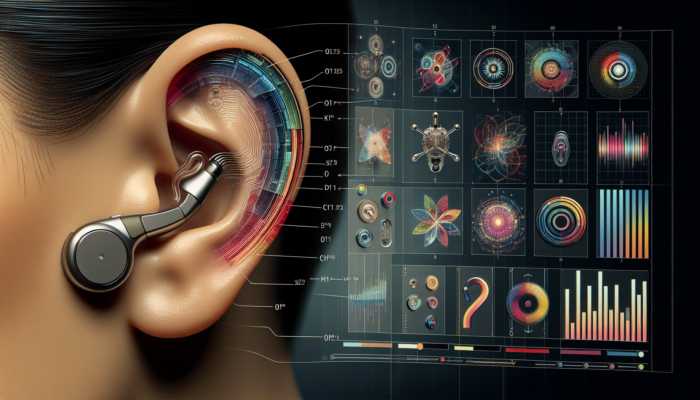
A close-up of an ear with a modern hearing aid, surrounded by colorful design options in a futuristic setting.

Analog Hearing Aids: Limited Customisation Options

Customisation features for analog hearing aids are relatively limited. Users typically have the ability to manually adjust the volume, which may meet basic hearing needs but lacks the fine-tuning capabilities available in digital devices. This simplicity can attract users seeking a straightforward experience without technical complexities. the lack of customisation options can lead to discomfort in varying environments, as users might struggle to adapt their devices to the different sound levels and qualities they encounter throughout the day.

For individuals with specific patterns of hearing loss, such as high-frequency loss, the inability to adjust sound frequencies can be a notable limitation. Analog aids usually do not offer the advanced programming options that digital aids provide. Users may find themselves altering their listening environments instead of adjusting their devices, which can detract from their overall experience. individuals facing more complex hearing challenges may find that exploring digital options with tailored settings can greatly enhance their auditory experience.

Enhancing Personalisation with Digital Customisation

Digital hearing aids come equipped with a wide array of customisation features, enabling users to create personalised listening preferences that align with their unique hearing profiles. These devices can be programmed with specific settings tailored for various environments, such as quiet rooms, busy streets, or crowded gatherings. Users can access these custom settings through specialised software, providing them the flexibility to adjust their hearing aids to suit their daily activities and specific auditory challenges.

The customisation tools available for digital aids significantly improve user comfort and overall satisfaction. By tailoring the audio experience to meet individual needs, users can enjoy a more natural sound environment that encourages effortless navigation through different auditory challenges. This personalised approach not only fosters more engaging and fulfilling social interactions but also enhances overall quality of life. Many digital aids now feature smartphone connectivity, allowing users to make real-time adjustments, thus enriching their auditory experience.

Enhancing User Experience Through Customisation

Person adjusting modern digital hearing aid, surrounded by city street and quiet library, symbolising customisation and control.

The ability to customise digital hearing aids plays a crucial role in enhancing the user experience. Many users report that being able to adjust settings according to their surroundings leads to increased comfort and satisfaction. This level of personalisation empowers users, allowing them to feel more in control of their hearing, which alleviates the stress often associated with navigating various listening environments. The freedom to adapt their hearing aids to suit different scenarios allows users to engage more fully in conversations and activities.

The precision offered by digital aids can foster greater confidence in social settings, where hearing challenges are prevalent. Users can participate in discussions without the constant worry of missing critical details. This enhanced comfort not only improves their auditory experience but also positively impacts their overall well-being. The emphasis on personalisation serves as a significant advantage of digital hearing aids, contributing to a more enjoyable and fulfilling life for individuals with hearing loss.

Advanced Customisation Tools and Software for Hearing Aids

A range of software tools is available for digital hearing aids, enabling users to make precise adjustments that align with their specific hearing requirements. These tools allow both audiologists and users to programme hearing aids based on individual preferences and types of hearing loss. Software enhancements can include frequency adjustments, noise reduction settings, and specific amplification levels tailored to the user’s environment, ensuring optimal auditory performance.

Modern digital hearing aids often feature companion apps for smartphones, allowing users to control their devices remotely. They can easily adjust volume levels or switch between settings through these apps. Such convenience not only simplifies the process of adapting to different environments but also fosters greater engagement with their hearing aids. With the integration of advanced technology, the customisation process has become increasingly user-friendly, ensuring that individuals can optimise their hearing experience to fit their lifestyles effectively.

Examining Technology and Features in Hearing Aids

Understanding Analog Technology in Hearing Aids

Analog hearing aids operate on simpler technological platforms, which, while effective for a broad range of users, often lack the advanced features that characterise modern hearing aids. Their primary function is to amplify sound, making them a cost-effective option for individuals facing mild to moderate hearing loss. This simplicity comes at the expense of additional features that significantly enhance the listening experience, including Bluetooth connectivity and sophisticated sound processing algorithms.

The straightforward nature of analog technology may appeal to users who favour minimal fuss and ease of use. These devices do not necessitate complex programming or intricate adjustments, which can be a considerable advantage for older individuals or those who prefer a traditional approach to hearing assistance. the trade-off is that users may miss out on the benefits provided by more advanced hearing technologies, particularly in complex auditory environments. As the demand for feature-rich options increases, many individuals are opting for digital aids to take advantage of the latest advancements in hearing technology.

Leveraging Digital Technology for Enhanced Hearing

Digital hearing aids represent a significant advancement in auditory technology, featuring functionalities that greatly enhance the user experience. These devices utilise digital signal processing to deliver clearer sound quality, effective noise reduction, and feedback management. Many digital aids now offer Bluetooth connectivity, enabling users to stream audio directly from their smartphones or other devices, which is particularly beneficial for those who enjoy listening to music or participating in phone calls.

The inclusion of directional microphones within digital aids allows users to concentrate on sounds from specific directions while minimising background noise. This feature is especially advantageous in crowded locations, such as busy restaurants or public transport, where distinguishing speech from surrounding noise can be challenging. The continuous evolution of digital hearing aids ensures that users can expect ongoing improvements in features and functionalities, keeping them at the forefront of hearing technology.

Anticipating Future Trends in Hearing Aid Technology

The future of hearing aid technology is promising, with digital devices expected to evolve further through ongoing research and development efforts. Emerging technologies, including artificial intelligence and machine learning, are poised to revolutionise the hearing aid experience, potentially leading to even more personalised listening experiences where devices learn users’ preferences and automatically adjust settings based on their environments.

The integration of telehealth services within hearing care represents another exciting trend on the horizon. Remote programming and adjustments can enable audiologists to fine-tune settings from a distance, providing users with enhanced convenience and accessibility. As digital hearing aids continue to adapt to the evolving needs of users, they are likely to become increasingly sophisticated, ensuring that individuals with hearing loss enjoy the best auditory experience possible.

Understanding Maintenance and Durability in Hearing Aids

Maintenance Requirements for Analog Hearing Aids

In terms of maintenance, analog hearing aids typically require less technical upkeep compared to their digital counterparts. Users often find that they need to make occasional volume adjustments, but overall, the simplicity of their technology translates to fewer components to manage. This straightforwardness can be appealing for users seeking a device that is easy to maintain without the necessity for regular software updates.

While analog aids may demand less technical maintenance, they often require more frequent adjustments to ensure optimal performance. Users might need to visit audiologists for fine-tuning or repairs, as wear and tear can affect amplification quality over time. The durability of analog aids tends to be lower than that of digital aids, as the technology does not benefit from the more robust materials and design enhancements seen in newer models.

Maintenance Considerations for Digital Hearing Aids

Digital hearing aids, while generally more durable, require regular software updates and maintenance to function optimally. This includes periodic checks and adjustments performed by audiologists to refine settings and ensure the technology operates efficiently. The advanced features of digital devices, such as noise reduction and feedback cancellation, may also necessitate updates to maintain their peak performance.

Despite the need for more frequent technical maintenance, many users find that the advantages of digital aids far outweigh the upkeep demands. Their increased reliability and longevity often make them a worthwhile investment. With proper care and routine check-ups, digital hearing aids can provide users with years of enhanced hearing experiences, proving to be a durable choice for those experiencing hearing loss.

Evaluating the Cost of Hearing Aid Maintenance

The cost of maintenance for hearing aids can vary significantly between analog and digital devices. Analog aids typically have lower initial costs and minimal ongoing expenses, making them an attractive option for budget-conscious individuals. the frequent adjustments required may ultimately lead to increased long-term costs, as users will need to make regular visits to audiologists for maintenance and fine-tuning.

Conversely, digital hearing aids generally feature higher initial prices and may involve more considerable ongoing costs due to software updates and potential repairs. Nevertheless, the advanced features and benefits they offer often justify the investment for users facing more complex hearing challenges. When considering the cost of maintenance, individuals must weigh both the financial implications and the overall improvements in quality of life that hearing aids can provide.

Assessing Power and Battery Life in Hearing Aids

Power Consumption in Analog Hearing Aids

Analog hearing aids usually consume less power than digital models, resulting in extended battery life. This energy efficiency can be particularly advantageous for users who prefer to avoid the inconvenience associated with frequent battery replacements. The straightforward operation of analog devices allows users to rely on them for longer periods before needing to change batteries, enhancing the overall user experience.

While the extended battery life is a significant advantage, it is essential to recognise that the sound processing capabilities of analog aids are limited. Users may find themselves sacrificing sound quality and advanced features in favour of longevity. This trade-off highlights the importance of understanding personal hearing needs and how they align with available technology choices.

Power Usage in Digital Hearing Aids

Digital hearing aids typically consume more power due to their advanced processing capabilities and features. As a result, users may have to change batteries more frequently compared to analog aids. Although this increased power consumption may be perceived as a drawback, many digital hearing aids now incorporate rechargeable batteries, providing a convenient solution that eliminates the need for regular battery changes.

The shift towards rechargeable technology not only addresses the power consumption issue but also enhances user convenience. Many users appreciate the ability to charge their hearing aids overnight, ensuring they are ready for the day ahead. Overall, advancements in battery technology are consistently improving the power efficiency of digital devices, helping to alleviate concerns related to battery life.

Innovations in Battery Technology for Hearing Aids

Battery technology is undergoing significant evolution, with improvements expected to benefit both analog and digital hearing aids. New developments in battery efficiency and longevity are set to enhance the overall performance of hearing aids, allowing users to enjoy longer durations of use without the need for frequent replacements. These advancements will cater to the growing demand for more reliable and user-friendly hearing solutions.

Innovations such as lithium-ion batteries are becoming increasingly common in digital aids, offering users greater convenience and efficiency. The trend towards rechargeable options is likely to shape the future of hearing aids, allowing for fewer concerns regarding battery changes and enhancing the overall user experience. As technology continues to advance, the benefits of improved battery technology will play a critical role in defining the next generation of hearing aids.

Accessibility and Affordability of Hearing Aids

The Cost-Effectiveness of Analog Hearing Aids

Analog hearing aids are often more affordable and widely available, making them suitable for individuals with basic hearing needs. Their lower price point makes them an attractive option for those who may not have the financial resources to invest in more technologically advanced devices. This accessibility allows individuals from various economic backgrounds to obtain the hearing assistance they require without incurring significant expenses.

While analog aids serve as a budget-friendly solution, their limited features may not adequately meet the needs of users with more complex hearing loss. Individuals requiring advanced functionality may ultimately find greater benefit in investing in digital aids, despite the higher initial costs. The affordability of analog devices underscores the importance of evaluating personal hearing needs against long-term benefits versus upfront expenses.

Digital Hearing Aids: Accessibility and Investment

While digital hearing aids typically come with a higher price tag, they offer advanced features that are crucial for managing complex hearing loss. Their ability to deliver superior sound quality, effective noise reduction, and extensive customisation options can significantly enhance the lives of users with moderate to severe hearing challenges. Investing in digital aids can lead to improved social interactions and overall quality of life for many individuals.

Despite their higher costs, numerous manufacturers and organisations provide financing options and assistance programmes to facilitate access to the technology individuals need. As technology continues to evolve, the prices of digital aids may decrease, making them more accessible to a broader population. This shift towards affordability in digital hearing aids is essential for ensuring that everyone has the opportunity to experience enhanced hearing capabilities.

Financial Considerations When Choosing Hearing Aids

Choosing between analog and digital hearing aids often hinges on budget considerations and the severity of hearing loss. Individuals with mild hearing loss may find analog aids sufficient for their needs, while those facing more complex challenges might benefit significantly from the advanced features offered by digital aids, justifying the higher investment. Users must carefully assess their financial situations in relation to their hearing requirements to make an informed choice.

It is crucial to take into account the ongoing costs associated with hearing aids, such as maintenance, battery replacements, and necessary adjustments. While analog aids may have lower upfront costs, the cumulative ongoing expenses can add up over time. The decision between analog and digital aids should consider both immediate financial implications and long-term quality of life improvements to ensure the best auditory experience possible.

User Feedback and Satisfaction with Hearing Aids

Insights from Users of Analog Hearing Aids

Users of analog hearing aids frequently express satisfaction stemming from the simplicity and cost-effectiveness of these devices. Many appreciate the straightforward operation that does not require technical knowledge or complicated settings. For individuals who prefer a no-frills approach to hearing assistance, analog aids provide a familiar and effective solution that meets their basic needs.

Feedback from users also highlights several limitations. Many individuals experience frustration in noisy environments where background noise can interfere with their ability to hear conversations clearly. While analog aids serve well for basic amplification, those who require more sophisticated sound management may find themselves leaning towards digital options as their hearing needs evolve. This dichotomy emphasises the significance of individual assessment in selecting the most appropriate hearing aids.

Experiences of Users with Digital Hearing Aids

Users of digital hearing aids often express appreciation for the advanced features and extensive customisation options available to them. The ability to adjust settings according to specific listening environments greatly enhances user satisfaction. Many individuals report feeling more confident in social situations, where clear communication is crucial, thanks to the superior sound quality and effective noise reduction capabilities of digital aids.

Feedback from users also highlights the learning curve associated with digital devices. Some may initially feel overwhelmed by the technology; however, they often discover that the benefits far outweigh the initial challenges. The overall trend indicates an increase in satisfaction with digital aids as users become more accustomed to their features and functionalities. This growing trend reflects a broader recognition of the importance of tailored hearing solutions in enhancing quality of life.

Trends in Overall Satisfaction with Hearing Aids

There is a noticeable shift towards digital hearing aids, driven by their enhanced capabilities and user satisfaction. As more individuals become aware of the advantages of advanced technology, they are increasingly opting for digital solutions. This trend is not solely due to superior sound quality and customisation options but also reflects the improved functionality that digital aids offer in various listening environments.

The ongoing evolution of digital technology, including the integration of artificial intelligence and telehealth services, continues to positively shape user experiences. As individuals explore the benefits of digital aids, many report significant improvements in their overall hearing satisfaction, emphasising the importance of staying updated with technological advancements.

Comparative Feedback on Analog and Digital Hearing Aids

Users frequently compare the reliability and ease of use of analog aids with the technological advantages and learning curve associated with digital aids. Many appreciate the straightforward nature of analog technology, particularly for addressing basic hearing needs. As users’ hearing challenges become more pronounced, they may find themselves drawn to digital aids for their comprehensive features and adaptability.

The feedback illustrates an ongoing dialogue between simplicity and advanced functionality. While analog aids remain a viable option for some, digital aids are increasingly favoured for their ability to offer tailored solutions that cater to complex hearing requirements. This ongoing evolution in user preferences underscores the importance of understanding the diverse needs of individuals with hearing loss.

Frequently Asked Questions About Hearing Aids

What sets analog hearing aids apart from digital ones?

The primary distinction lies in sound processing: analog aids amplify sound directly, while digital aids convert sound into digital signals for precise adjustments in clarity and volume.

Which type of hearing aid is better at managing background noise?

Digital hearing aids are generally superior in handling background noise due to their advanced sound processing capabilities, allowing users to focus on specific sounds.

Are analog hearing aids more budget-friendly than digital models?

Yes, analog hearing aids typically have lower initial costs, but they may lack advanced features and require more frequent adjustments, impacting long-term expenses.

How often should I replace the batteries in my hearing aids?

The frequency of battery changes varies; analog aids usually have longer battery life, while digital aids may require more frequent changes due to their power consumption.

Can I personalise my digital hearing aids to suit my needs?

Absolutely, digital hearing aids offer extensive customisation options, enabling users to programme settings based on their specific listening environments and preferences.

What features can I expect from digital hearing aids?

Digital hearing aids often include features such as Bluetooth connectivity, directional microphones, and advanced noise reduction capabilities that enhance user experience.

Is a prescription required to obtain hearing aids?

Yes, a prescription or consultation with an audiologist is typically recommended to determine the most suitable hearing aid for your specific needs.

What is the typical lifespan of hearing aids?

On average, hearing aids can last about 3 to 5 years, although this lifespan can vary depending on the type of device and how well it is maintained.

Are rechargeable hearing aids a good investment?

Yes, rechargeable hearing aids can provide convenience by eliminating the need for frequent battery changes, making them a popular choice among users.

What steps can I take to enhance my hearing aid experience?

Regular maintenance, proper fitting, and utilising customisation options can significantly improve your overall hearing aid experience.

Follow our journey on X!

The post Analog vs. Digital Hearing Aids: Key Differences Explained appeared first on The Microsuction Ear Wax Removal Network.

Originally posted 2025-04-28 03:12:31.

The post Hearing Aids: Key Differences Between Analog and Digital appeared first on Healthcare Marketing Service.

Categories
Customer Management Health & Wellness

Healthcare CRM Solutions: Enhance Potential with Training

The healthcare sector is undergoing significant transformation, making effective communication and management systems crucial. Healthcare CRM (Customer Relationship Management) solutions have emerged as essential tools in this evolution, enabling healthcare organisations to enhance operations, improve patient care, and substantially boost overall efficiency. The successful implementation and effective utilisation of these CRM systems depend heavily on comprehensive and impactful training. This article examines the critical role of training in unlocking the full potential of healthcare CRM solutions and outlines various strategies and best practices that can support this goal.

Exploring the Crucial Role of Healthcare CRM Solutions in Modern Healthcare

Before exploring the vital role of training in the successful implementation of healthcare CRM solutions, it is important to understand their significance within the healthcare industry. Healthcare CRM solutions are sophisticated, technology-driven platforms designed to manage interactions with patients, boost patient engagement, streamline daily operations, and enhance the quality of care provided. These platforms consolidate essential patient data, facilitate effective communication, and automate a variety of administrative tasks, allowing healthcare providers to concentrate on delivering exceptional care and improving the patient experience.

The advantages of integrating healthcare CRM solutions are extensive and include:

  1. Enhanced Patient Engagement: CRM solutions empower patients by granting them access to their health information, facilitating appointment scheduling, and enabling personalised communication. This heightened engagement significantly boosts patient satisfaction, ultimately resulting in improved healthcare outcomes.

  2. Improved Communication: These CRM platforms foster seamless interaction among healthcare providers, patients, and other key stakeholders. By offering a centralised platform for collaboration, they enhance coordination and communication, which are vital for delivering high-quality patient care.

  3. Optimised Operational Workflows: CRM solutions automate administrative tasks, including appointment scheduling, billing, and workflow management, thereby improving operational efficiency and reducing the administrative burden on healthcare professionals. This shift allows practitioners to devote more time to direct patient care, thereby enhancing overall service quality.

  4. Data-Driven Decision Making: By analysing patient data, healthcare CRM solutions provide invaluable insights and analytics. This capability enables healthcare organisations to make well-informed decisions and offer personalised care, thus improving patient outcomes and satisfaction.

Maximising the Potential of Healthcare CRM Solutions Through Effective Training

Diverse healthcare professionals using CRM software on devices during a training session to improve patient care and efficiency.

While adopting healthcare CRM solutions is essential, their effective implementation and usage depend on thorough training. Here are key reasons why training is critical for unlocking the full potential of these CRM solutions:

1. Mastering the CRM System

A primary aim of training is to ensure that healthcare professionals are adept at using the CRM system. Training sessions should encompass all functionalities, features, and workflows of the CRM platform to familiarise users with its extensive capabilities. Such familiarity empowers healthcare professionals to fully utilise the CRM solution, ensuring efficient use and maximising benefits for both patients and the organisation.

Hands-on exercises and simulations should form a core part of the training process, providing a practical learning experience. By actively engaging with the CRM system, healthcare professionals can build confidence in their ability to perform various tasks, such as accessing patient information, scheduling appointments, and managing communications efficiently.

2. Boosting User Adoption Rates

Training programmes significantly influence user adoption rates. When healthcare professionals comprehend the benefits and value of the CRM solution, they are more likely to embrace and integrate it into their daily routines. Comprehensive training can mitigate initial resistance or apprehension towards new technologies, paving the way for widespread adoption and effective utilisation of CRM solutions.

To enhance user adoption, training should highlight the specific advantages of the CRM system tailored for various user roles within the healthcare organisation. For instance, physicians can benefit from features such as quick access to patient records and personalised communication, while administrative staff may appreciate streamlined appointment scheduling and billing processes. Customising the training content to address the unique needs of each user role fosters greater user engagement and encourages active participation in utilising the CRM solution.

3. Encouraging Effective Data Management Practices

A healthcare professional training on CRM software, focusing on data management and security protocols.

CRM solutions centralise patient data, enabling seamless access and sharing among healthcare providers. To manage and utilise this data effectively, healthcare professionals require proper training. Programmes should focus on best practices for data entry, privacy and security protocols, as well as techniques for data retrieval and analysis.

By providing comprehensive training on data management, healthcare organisations can ensure that healthcare professionals understand the importance of accurate and complete data entry. This includes training on using standardised data formats, capturing relevant patient information, and maintaining data integrity. Training should also cover data privacy regulations and security measures to ensure compliance and protect sensitive patient information.

Training on data retrieval and analysis techniques empowers healthcare professionals to extract valuable insights from the CRM system. This capability facilitates data-driven decision-making, allowing healthcare providers to analyse trends, identify patterns, and make informed choices that enhance personalised patient care.

4. Emphasising Customisation and Tailoring of CRM Solutions

Healthcare CRM solutions often provide a variety of customisation options to meet the specific needs of different organisations. Training sessions should focus on the customisation capabilities of the CRM platform, empowering healthcare professionals to adapt it according to their workflows and preferences. This level of customisation enables users to optimise the potential of the CRM solution, ensuring seamless integration into existing processes and workflows.

During training, healthcare professionals should be introduced to the various customisation features available within the CRM system. This includes configuring user interfaces, creating custom fields and templates, and setting up automated workflows. By providing training on customisation, organisations enable healthcare professionals to adapt the CRM solution to their specific requirements, resulting in a more efficient and tailored user experience.

Effective Training Strategies and Best Practices for Optimising Healthcare CRM Solutions

To fully leverage the capabilities of healthcare CRM solutions, organisations should implement effective training strategies and best practices. Here are key recommendations to ensure successful training implementation:

1. Conducting a Comprehensive Needs Assessment

A diverse group of professionals analyzing data for CRM training needs in a conference room.

Before developing an effective training programme, organisations must carry out a thorough needs assessment to identify knowledge gaps, skill deficiencies, and specific training requirements. This assessment should involve input from all stakeholders, including healthcare professionals, IT personnel, and administrators. By understanding the unique needs of the organisation, training programmes can be tailored to address specific challenges and optimise the benefits of healthcare CRM solutions.

During the needs assessment, organisations should evaluate the current level of CRM system knowledge among healthcare professionals. This can be achieved through surveys, interviews, or direct observations. Feedback from IT personnel can provide insights into technical requirements and potential integration challenges. By gathering comprehensive information, organisations can design training programmes that cater to the specific needs of various user roles, ensuring effective knowledge transfer.

2. Developing Customised Training Modules for Diverse Roles

Training programmes should be designed to accommodate the diverse user roles and responsibilities within the healthcare organisation. Customised training modules can be created for different departments, such as physicians, nurses, administrative staff, and IT personnel. These modules should focus on the specific functionalities and workflows relevant to each role, ensuring targeted and efficient training that meets the needs of individual users.

By tailoring training modules to specific user roles, organisations can provide relevant and practical training experiences. For instance, physicians may require training on accessing patient records and using clinical decision support tools, while administrative staff may need instruction on appointment scheduling and billing processes. By addressing the unique requirements of each user role, organisations can enhance the effectiveness of training and ensure that healthcare professionals acquire the necessary skills to utilise the CRM solution effectively.

3. Incorporating Hands-On Training and Simulations

Hands-on training and simulations offer a practical learning experience, allowing healthcare professionals to become familiar with the CRM system in a controlled environment. This interactive approach helps users build confidence and competence in using the CRM solution, facilitating a smooth transition during its implementation. Simulations can replicate real-life scenarios, enabling healthcare professionals to practice using the CRM solution in various situations, ensuring they are well-prepared to manage different patient interactions effectively.

During hands-on training, healthcare professionals should be given opportunities to actively engage with the CRM system. This can include exercises such as creating patient profiles, scheduling appointments, and generating reports. By simulating real-life scenarios, healthcare professionals can develop the necessary skills and familiarity with the CRM solution, ensuring a smooth and successful implementation.

4. Offering Ongoing Support and Continuous Training

Training should not be regarded as a one-off event; rather, it must be an ongoing process. Healthcare organisations should provide continuous support and training opportunities for healthcare professionals even after the initial implementation phase. This includes regular refresher courses, updates on new features and functionalities, as well as addressing emerging challenges or issues. By investing in continuous training, organisations can ensure that healthcare professionals remain proficient in using the CRM solution and can adeptly adapt to any system updates or changes.

To provide ongoing support, organisations may establish a dedicated support team or help desk that healthcare professionals can contact for assistance. This team should possess in-depth knowledge of the CRM system and be equipped to resolve any user queries or issues. Periodic training sessions and workshops can be organised to keep healthcare professionals informed about new features and functionalities or to reinforce specific training topics.

Maximising the Potential of Healthcare CRM Solutions Through Effective Training

In summary, healthcare CRM solutions have the potential to transform the healthcare industry by enhancing patient care, streamlining operations, and improving overall efficiency. The successful implementation and effective utilisation of these solutions rely significantly on thorough training. By providing robust training programmes that cater to the specific needs of healthcare professionals, organisations can fully unlock the potential of healthcare CRM solutions. This leads to improved patient outcomes, increased operational efficiency, and enhanced overall performance within the organisation.

Frequently Asked Questions About Healthcare CRM Solutions

  1. What advantages do healthcare CRM solutions provide?

    Healthcare CRM solutions offer numerous benefits, including improved patient engagement, enhanced communication, streamlined operations, and support for data-driven decision-making.

  2. Why is training critical for healthcare CRM solutions?

    Training is essential for healthcare CRM solutions as it ensures familiarity with the CRM system, increases user adoption, promotes effective data management, and allows for customisation and tailoring.

  3. Which focus areas should training programmes for healthcare CRM solutions address?

    Training programmes for healthcare CRM solutions should concentrate on providing practical learning experiences through hands-on training and simulations. They should also emphasise customisation capabilities and address the specific needs of various user roles within the organisation.

  4. How can organisations maintain ongoing support and continuous training for healthcare CRM solutions?

    Organisations can ensure ongoing support and continuous training for healthcare CRM solutions by establishing a dedicated support team or help desk, conducting regular refresher courses and workshops, and keeping healthcare professionals informed about new features and functionalities.

Originally posted 2023-04-27 16:49:10.

The post Healthcare CRM Solutions: Unlocking Potential through Training appeared first on Healthcare Marketing Service.

Categories
Hearing Devices Science & Technology

Starkey Muse Debuts in the UK Market

Starkey Muse from Hearing First brings a new generation of power and precision to hearing aid wearers, making conversation clearer in noisy environments, and music more natural.

Starkey Muse from Hearing First

Discover the Launch of Starkey Muse Hearing Aids in the UK

Starkey has unveiled the advanced Muse range of hearing aids, designed to meet the diverse needs of users. This collection features various styles including the discreet yet powerful completely in the canal (CIC), in the canal (ITC), and in the ear (ITE) custom models. options like the microRIC 312, miniBTE, and the microRIC 312 AP offer up to 70dB of feedback-free amplification. For those seeking ultimate discretion, Starkey introduces the Soundlens Synergy, the world’s first wireless true invisible in the canal (iic) hearing aid.

The Muse range is available in three technology levels: i2400, i2000, and i1600. It operates on Starkey’s innovative Synergy technology platform, which boasts a quad-core architecture, facilitating up to 24 channels and twin compressors for enhanced sound processing.

Every model in the Muse range comes equipped with Starkey’s unique, patent-pending Multiflex Tinnitus technology. This feature combines personalisation with flexibility, providing much-needed relief for wearers experiencing tinnitus.

The Muse hearing aids, powered by Starkey’s cutting-edge Synergy platform, are the only devices to incorporate quad-core twin compressor technology. This advancement ensures exceptional precision for audibility, optimising the listening experience. The Synergy platform, in conjunction with Acuity OS, Starkey’s new high-definition operating system, allows for unprecedented processing of speech and sounds such as music, enhancing both speech clarity and musical enjoyment in all environments.

The Synergy platform features 900sync Technology, a user-favourite wireless solution that delivers a premium audio experience. This technology is specifically designed to assist those with unilateral hearing loss through the new Muse CROS System. It also enhances phone call clarity with our innovative ear-to-ear phone streaming capability.

To explore more about the Starkey Muse range, visit the following links:

Explore Starkey Muse i2400

Discover Starkey Muse i2000

Categories
Health & Wellness Hearing Aids

Starkey Muse i2400: Affordable Hearing Aids from £1595

Starkey Muse i2400 £1595 from Hearing First brings a new generation of power and precision to hearing aid wearers, making conversation clearer in noisy environments, and music more natural.

Starkey Muse i2400 £1595 from Hearing First

Discover the Starkey Muse i2400 for £1595

Starkey has unveiled its innovative Muse range of hearing aids, with the most competitive price in the UK available at Hearing First for just £1595. This range features a variety of styles, including the unobtrusive yet powerful CIC (completely in the canal), ITC, and ITE custom models, alongside the microRIC 312, miniBTE, and microRIC 312 AP, which provide up to 70dB of amplification without feedback. For those seeking the utmost in subtlety, Starkey also presents the Soundlens Synergy, recognised as the world’s first wireless true iic (invisible in the canal) hearing aid.

The Muse series comes in three technology levels: i2400, i2000, and i1600. Each model is powered by Starkey’s advanced Synergy technology platform, which features a quad-core architecture capable of handling up to 24 channels and twin compressors.

All Muse models include Starkey’s innovative patent-pending Multiflex Tinnitus technology, designed to offer personalised relief for individuals suffering from tinnitus, combining flexibility and tailored settings.

Key Technologies in the Starkey Muse i2400

The i2400 model is equipped with an impressive array of features:

  • 24 channels and 24 bands for superior sound quality
  • Extended bandwidth reaching up to 10kHz
  • Acuity OS for enhanced sound processing
  • 900sync Wireless Technology for seamless connectivity
  • Wireless Spatial Streaming for a rich audio experience
  • Acuity Speech Optimisation for clearer conversations
  • Music Enhancement, which includes
    • Music Adaptation – Level 4 for optimal sound adjustments
    • Music Memory for personalised audio preferences
    • E2E Music Adaptation – Maximum for unparalleled performance
  • Ear 2 Ear Acuity Binaural Imaging, featuring
    • E2E Machine Noise Adaptation – Level 4 for a quieter experience
    • E2E Wind Noise Management – Level 4 for outdoor clarity
    • E2E Directionality for improved sound focus
    • E2E Phone Streaming for effortless communication
  • Environment Manager – Acuity Lifescape Analyser, which includes
    • Music – Level 4 for optimal enjoyment
    • Speech – Level 4 for enhanced clarity
    • Speech and Noise – Level 4 for balanced audio
    • Machine Noise – Level 4 for reduced distractions
    • Wind – Level 4 for outdoor performance
    • Noise – Level 4 for clearer sound
    • Quiet – Level 4 for serene listening
  • Directional Processing – Acuity Directionality, which includes
    • Channels: 24 for precise sound capture
    • Dynamic – Maximum for adaptive listening
    • Directional – Maximum for sound directionality
    • Adaptive – Maximum for varied environments
  • Noise Control – Acuity Voice
    • Noise Reduction Strength – Level 4 for enhanced speech clarity
  • Whistlefree Feedback Cancellation for uninterrupted listening
  • Speech Shift Frequency Lowering for better comprehension
  • Multiflex Tinnitus Technology for tailored relief
  • SurfLink Wireless Accessories for expanded connectivity options

The Muse range, powered by Starkey’s cutting-edge Synergy platform, is unique in featuring quad-core twin compressor technology. This groundbreaking system ensures exceptional precision in audibility and optimises listening experiences. The combination of Synergy with Acuity OS, Starkey’s new high-definition operating system, enables unprecedented processing of speech and music, enhancing both clarity and enjoyment across various environments.

Synergy also integrates 900sync Technology, which provides a superior wireless experience and supports unilateral loss with the innovative Muse CROS System. it enhances phone conversations through ear-to-ear phone streaming, ensuring clear communication at all times.

Categories
Health & Wellness Hearing Aids

Soundlens Synergy i2400 by Starkey for £2195

Discover the Starkey SoundLens Synergy i2400 Hearing Aids

Starkey Soundlens Synergy From Hearing First - the world's smallest truly invisible in the canal hearing aid - now available with wireless technology.

Starkey SoundLens Synergy From Hearing First

The Starkey SoundLens Synergy i2400, available through Hearing First, represents the pinnacle of invisible hearing aid technology. These bespoke devices are tailored to fit the unique contours of your ear canal, ensuring they remain discreetly positioned deep within your ear. Despite their compact size, they are packed with advanced features, making them the first choice for those seeking custom-fit Invisible-in-the-Canal (IIC) hearing aids.

  • Experience an Invisible, Custom-Fit Design

    These hearing aids are expertly crafted to fit snugly within your ear canal, providing a personalised experience that ensures comfort throughout the day.

    Starkey is renowned for producing some of the smallest, truly invisible in-the-canal hearing aids, now enhanced with wireless capabilities and cutting-edge technology, making them the most sophisticated option available.

  • Seamlessly Adapt to New Sounds

    This innovative feature smoothens your adjustment to wearing hearing aids by gradually fine-tuning settings, helping your brain acclimatise to new auditory experiences.

  • Enhanced Wireless Streaming Capabilities

    Enjoy stable wireless performance while streaming television, music, and other audio through SurfLink® Mobile 2 and additional SurfLink accessories.

  • A Tailored, Comfortable Listening Experience

    With sound comfort technology, these hearing aids deliver clear listening without distortion, adapting effortlessly to both loud and soft sounds.

  • Elimination of Buzzing and Whistling

    Benefit from our top-tier feedback cancellation system, ensuring a comfortable auditory experience free from unwanted feedback throughout the day.

  • Enjoy Music as It Was Meant to Be Heard

    These hearing aids are designed to enhance your musical experience, allowing you to appreciate every note as the artist intended, with pristine sound quality.

  • Customisable Relief from Tinnitus

    The advanced Multiflex Tinnitus Technology embedded within the hearing aids provides effective relief for individuals who experience ringing in the ears.

Cutting-Edge Technology Features of the Starkey SoundLens Synergy i2400

The i2400 model is equipped with an array of advanced features:

  • 24 channels and 24 frequency bands for precise sound processing
  • Extended bandwidth reaching up to 10kHz for enhanced audio clarity
  • Acuity OS for superior sound management
  • 900sync Wireless Technology for seamless connectivity
  • Wireless Spatial Streaming for an immersive audio experience
  • Acuity Speech Optimisation for better clarity in conversations
  • Music Enhancement features, which include:
    • Music Adaptation – Level 4 for personalised sound adjustments
    • Music Memory for retaining preferred sound settings
    • E2E Music Adaptation – Maximum for optimal listening
  • Ear 2 Ear Acuity Binaural Imaging, featuring:
    • E2E Machine Noise Adaptation – Level 4 for improved sound quality
    • E2E Wind Noise Management – Level 4 to reduce distractions
    • E2E Directionality for focused listening
    • E2E Phone Streaming for hands-free phone calls
  • Environment Manager – Acuity Lifescape Analyser, including:
    • Music – Level 4 for tailored audio experiences
    • Speech – Level 4 for enhanced communication
    • Speech and Noise – Level 4 for versatility in various settings
    • Machine Noise – Level 4 for clearer sound
    • Wind – Level 4 for outdoor use
    • Noise – Level 4 for balanced sound management
    • Quiet – Level 4 for serene listening
  • Noise Control – Acuity Voice, which features:
    • Noise Reduction Strength – Level 4 for effective sound management
  • Whistle-free Feedback Cancellation for a comfortable listening experience
  • Speech Shift Frequency Lowering for improved speech clarity
  • Multiflex Tinnitus Technology for additional support
  • Compatibility with SurfLink Wireless Accessories for enhanced functionality